Unlock the Crucial Role of Zinc in Supporting Immune Health
Explore the Profound Effects of Zinc on Immune Cell Functionality
Zinc stands out as a critical trace element that has a substantial impact on the growth and performance of various immune cells. It is essential for the generation of T lymphocytes, B lymphocytes, and natural killer (NK) cells, all of which are vital for a strong immune response. These immune cells play a pivotal role in aiding the body to identify and eradicate harmful pathogens, including viruses and bacteria. Furthermore, zinc is instrumental in regulating the function of macrophages, which are tasked with engulfing and destroying dangerous invaders. To maintain optimal immune health, it is essential to ensure sufficient zinc levels to effectively defend against various infections and diseases.
The extensive advantages of zinc for immune health include:
- Enhancing T and B cell functionality: Zinc is indispensable for the growth and activation of these essential immune cells.
- Antioxidant effects: It helps mitigate oxidative stress, protecting immune cells from damage.
- Managing inflammatory responses: Zinc carefully adjusts cytokine production, ensuring a balanced immune reaction to pathogens.
- Promoting effective wound healing: Zinc aids in tissue repair and regeneration, crucial during and after infections.
- Boosting antibody production: Adequate zinc levels enhance the body’s ability to produce antibodies against pathogens.
- Supporting gut health: Zinc helps maintain the integrity of the intestinal barrier, reducing the risk of infections.
- Working synergistically with other nutrients: Zinc collaborates with vitamins and minerals to enhance immune function.
- Mitigating inflammation: It assists in lowering chronic inflammation, a significant factor in numerous health conditions.
The dynamic function of zinc in immune cell operations highlights its critical role in developing a robust immune response, emphasising the importance of a sufficient dietary intake.
How Does Zinc Elevate Immune Function?
Zinc amplifies various facets of immune function through distinct mechanisms. Primarily, it is crucial for antibody production—proteins that neutralise pathogens. When the body faces an invader, the immune system's ability to produce these antibodies effectively can dramatically affect the infection's outcome. Additionally, zinc regulates immune responses by influencing the production and activity of cytokines—signalling molecules that facilitate communication between immune cells.
Zinc's influence also extends to enhancing the activity of phagocytes, including macrophages and neutrophils. These cells form the first line of defence against infections through their capacity to engulf and eliminate pathogens. Furthermore, zinc helps uphold the integrity of mucosal barriers found in the gastrointestinal tract and respiratory system, further minimising infection risks. The mineral demonstrates powerful antioxidant properties, shielding immune cells from oxidative stress, which could otherwise hinder their effectiveness.
Zinc contributes to immunity through multiple specific mechanisms, including:
- Amplifying immune cell proliferation: Zinc stimulates the growth and differentiation of T and B cells.
- Facilitating antibody production: It is vital for the synthesis and secretion of immunoglobulins.
- Augmenting cytokine production: Zinc modulates the expression of both pro-inflammatory and anti-inflammatory cytokines.
- Enhancing phagocytic activity: Zinc boosts macrophages' and neutrophils' capacity to engulf pathogens.
- Guarding against oxidative damage: It protects immune cells from injury caused by free radicals.
- Supporting mucosal immunity: Zinc aids in maintaining the health and function of mucosal barriers, essential for infection prevention.
Through these mechanisms, zinc emerges as a fundamental contributor to immune health, guaranteeing the body can effectively combat infections and diseases.
What Consequences Arise from Zinc Deficiency?
A deficiency in zinc can profoundly weaken the immune system, making the body more vulnerable to infections and illnesses. Research has shown that individuals with insufficient zinc levels often exhibit increased susceptibility to respiratory infections, gastrointestinal disorders, and delayed wound healing. Symptoms of zinc deficiency may manifest as frequent colds, extended recovery durations from infections, and heightened inflammation.
When zinc levels fall short, the production and effectiveness of immune cells suffer. For instance, T cells may show reduced responsiveness, impairing the body’s ability to launch a vigorous response against pathogens. Additionally, the compromised production of antibodies leads to a diminished capacity to neutralise infections. Other repercussions include elevated oxidative stress due to lowered antioxidant enzyme activity, further undermining immune responses.
The consequences of zinc deficiency encompass:
- Increased vulnerability to infections: Individuals become more susceptible to both viral and bacterial infections.
- Prolonged recovery from illness: Extended durations of infections arise from a sluggish immune response.
- Delayed wound healing: Heightened risk of complications in injuries or surgical procedures.
- Elevated inflammation levels: An imbalance in the inflammatory response can contribute to chronic health issues.
- Impaired growth and development: Particularly significant in children, as zinc is essential for growth.
- Cognitive impairments: Zinc deficiency may adversely affect brain health and cognitive function.
- Skin issues: Conditions like dermatitis may develop due to compromised skin barrier function.
Addressing zinc deficiency through dietary changes or supplementation is critical for restoring immune function and overall health.
Insights from Experts on Zinc Supplements and Immune Function

Real-Life Examples of Zinc's Immune-Enhancing Benefits
Zinc supplementation has been linked to improved immune function across various populations worldwide, highlighting its significant role in enhancing health outcomes. A notable instance involves older adult communities, where research has indicated that zinc supplementation can substantially reduce the incidence of infections such as pneumonia and influenza. This finding is particularly crucial as older adults often experience a decline in immune function, rendering them more susceptible to infections.
In another compelling study, research conducted on children under five in developing countries revealed that zinc supplementation can significantly diminish the incidence and duration of diarrhoea. This condition remains a leading cause of morbidity and mortality in this age group, with sufficient zinc levels being vital for enhancing gut health and immune function, both essential in preventing such infections.
Additionally, healthcare professionals have observed improvements in respiratory health among individuals with chronic respiratory conditions, such as asthma, following zinc supplementation. The mineral’s immune-modulating effects help alleviate airway inflammation, resulting in improved respiratory function and reduced exacerbations.
Several case studies illustrate zinc’s effectiveness:
- Older adults: Zinc supplementation resulted in fewer pneumonia cases and reduced hospital admissions among seniors.
- Children in developing nations: Zinc significantly lowered the incidence of diarrhoea and respiratory infections.
- Athletes: Active individuals reported fewer infections and quicker recovery times with zinc supplementation.
- Individuals with chronic diseases: Patients with conditions like diabetes showed improved immune markers with zinc intake.
- Post-surgical patients: Zinc supplementation facilitated wound healing and decreased infection rates.
- Pregnant women: Adequate zinc levels supported immune health for both mother and fetus.
- Immunocompromised individuals: Supplementation improved overall immune function in those with weakened immune systems.
These real-world instances highlight the significance of zinc supplementation in enhancing immune function across diverse populations and health conditions.
Effective Approaches to Maximise Zinc Intake
To effectively optimise zinc intake, it is essential to consider not just dietary sources but also supplementation and strategies to enhance absorption. Foods rich in zinc include shellfish, red meat, poultry, legumes, seeds, nuts, dairy products, and whole grains. Incorporating a diverse range of these foods into one’s diet can assist in achieving adequate zinc levels. For vegetarians or those with dietary restrictions, legumes, nuts, and fortified cereals serve as crucial sources, though they may contain phytates that can inhibit zinc absorption.
For individuals struggling to meet their zinc requirements through dietary means alone, supplementation can be advantageous. Zinc supplements are available in various forms, including zinc gluconate, zinc sulfate, and zinc citrate, each differing in bioavailability. Choosing a form that is well-absorbed is essential for maximising benefits.
Moreover, certain factors can enhance zinc absorption:
- Pairing zinc with protein: Meals rich in protein enhance zinc bioavailability.
- Avoiding excessive phytate consumption: Limiting high-phytate foods when consuming zinc can improve absorption.
- Combining with vitamin C: Ascorbic acid can enhance zinc absorption and efficacy.
- Ensuring balanced nutrient intake: Adequate copper and iron levels support overall zinc utilisation.
- Taking supplements with meals: This practice can enhance absorption and reduce gastrointestinal discomfort.
- Prioritising gut health: A healthy gut microbiome can positively influence nutrient absorption.
- Monitoring intake levels: Regularly evaluate dietary zinc intake to ensure sufficiency and adjust as necessary.
By implementing these effective strategies, individuals can optimise their zinc intake, thereby enhancing their immune function and overall health.
Expert Opinions on Zinc's Vital Role in Immune Health
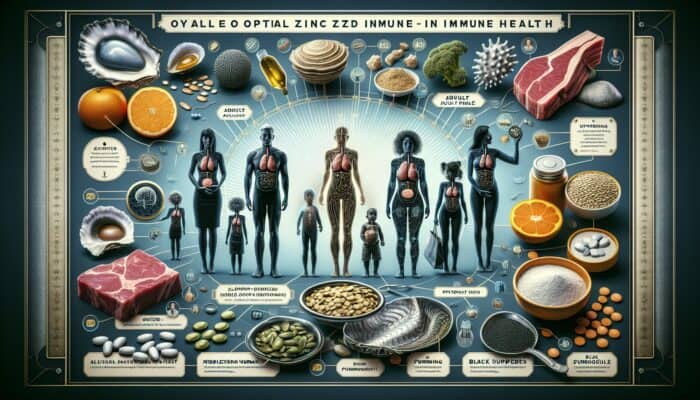
Experts unanimously affirm that zinc is essential for sustaining immune health. However, the optimal dosage and form of zinc supplementation may vary among individuals, influenced by factors such as age, health status, and dietary preferences. The Recommended Dietary Allowance (RDA) for zinc is generally around 11 mg for men and 8 mg for women; however, specific populations, such as pregnant or lactating women, may require higher amounts to support both maternal and fetal health.
When contemplating zinc supplementation, experts recommend assessing individual needs and potential deficiencies. For those with diets low in zinc or specific health conditions that impede absorption, higher doses may be necessary. Nevertheless, it is crucial to avoid excessive intake, as an overabundance of zinc can lead to toxicity and adverse health effects.
Incorporating zinc into a health regimen can be approached through both dietary sources and supplements. Healthcare professionals typically advise:
- Incorporating zinc-rich foods daily: Aim for a balanced diet that includes a variety of zinc sources.
- Utilising supplements judiciously: Consult a healthcare provider to evaluate the necessity for supplementation.
- Monitoring health markers: Regular health check-ups can help assess zinc levels and overall immune function.
- Considering personal health conditions: Adjust zinc intake based on specific health needs and lifestyle factors.
- Staying informed on emerging research: Engage with new studies that clarify zinc's evolving role in health.
- Listening to bodily signals: Pay attention to signs of deficiency and adapt accordingly.
By adhering to these expert recommendations, individuals can effectively integrate zinc into their health practices, ensuring robust immune function and overall well-being.
Recognising the Potential Risks and Side Effects of Zinc Supplementation
While zinc supplementation offers a multitude of health benefits, it is essential to approach it cautiously to avoid potential risks and side effects. Excessive zinc intake can lead to toxicity, characterised by symptoms such as nausea, vomiting, diarrhoea, and abdominal cramps. Over time, elevated zinc levels can interfere with the absorption of other essential minerals, particularly copper, resulting in deficiencies and associated health problems.
Zinc toxicity can manifest with various symptoms, including:
- Nausea and vomiting: Common gastrointestinal disturbances linked to high zinc intake.
- Diarrhoea: Excessive zinc can irritate the gastrointestinal tract.
- Headaches: Toxic levels may induce neurological symptoms.
- Impaired immune function: Paradoxically, an oversupply of zinc can weaken the immune response.
- Reduced copper levels: High zinc intake can lead to copper deficiency, impacting numerous bodily functions.
- Altered lipid metabolism: Abnormalities in cholesterol levels may arise with excessive zinc.
- Interference with medications: Zinc can interact with certain medications, diminishing their effectiveness.
To mitigate the risk of zinc toxicity, individuals should adhere to recommended dosages and consult healthcare professionals before commencing any supplementation regimen. Regular monitoring of zinc levels and overall health can help avert the risks associated with excessive intake. By maintaining a balanced approach to zinc supplementation, one can harness its benefits while minimising potential adverse effects.
What Is the Mechanism Behind Zinc Supplementation?
The Pathway Through Which Zinc Is Absorbed
Zinc absorption primarily occurs in the small intestine, where the mineral is taken up via specific transporters. The efficiency of zinc absorption can vary based on several factors, including the zinc form, the presence of competing nutrients, and individual digestive health. For instance, zinc from animal sources tends to be absorbed more readily compared to plant-based sources due to lower phytate content, which can impede absorption.
Factors influencing zinc absorption include:
- Dietary composition: High-fibre diets containing phytate-rich foods may diminish zinc absorption.
- Age and health status: Older adults and individuals with certain health conditions may experience decreased absorption.
- Presence of other minerals: Elevated levels of calcium and iron can compete with zinc for absorption.
- Gut health: A healthy gut microbiome enhances nutrient absorption, including zinc.
- Supplement form: Certain zinc supplement forms display higher bioavailability than others.
- Stomach acidity: Adequate stomach acid levels facilitate the breakdown and absorption of zinc.
- Timing of intake: Zinc may be absorbed more effectively when consumed with meals rather than on an empty stomach.
Understanding these factors can guide individuals in optimising zinc absorption and improving overall health outcomes.
Zinc's Interactions with Other Nutrients
Zinc interacts with various other nutrients, including copper and iron, which can significantly affect its absorption and utilisation within the body. While zinc is crucial for multiple bodily functions, excessive intake can result in copper deficiency, as both minerals share similar absorption pathways in the gastrointestinal tract. This relationship underscores the importance of balancing zinc intake with other essential nutrients to prevent imbalances.
The interactions between zinc and other nutrients include:
- Copper: High zinc intake can hinder copper absorption, leading to deficiency and related health challenges.
- Iron: Zinc competes with iron for absorption; thus, elevated iron consumption may affect zinc levels.
- Calcium: Calcium can interfere with zinc absorption; therefore, it is crucial to manage the intake of both.
- Vitamin C: This vitamin can enhance zinc absorption, making it a beneficial pairing.
- Protein: Consuming zinc alongside protein-rich foods can improve its bioavailability.
- Folate: Zinc is essential for metabolic processes involving folate, impacting overall health.
- Vitamin A: Adequate zinc levels support the metabolism of vitamin A, which is critical for immune function.
Recognising these interactions is essential for ensuring adequate zinc status and preventing possible nutrient deficiencies, thereby facilitating optimal immune function and overall health.
Available Forms of Zinc Supplements
Zinc supplements are available in several forms, including zinc gluconate, zinc sulfate, and zinc citrate, each differing in bioavailability and absorption rates. Zinc picolinate is another form often praised for its high absorption efficiency. The choice of supplement form can significantly influence the effectiveness of zinc supplementation, making it important to select the one best suited to individual needs.
The primary forms of zinc supplements include:
- Zinc gluconate: Commonly utilised for its good bioavailability and lower gastrointestinal irritation.
- Zinc sulfate: A widely available and cost-effective form, though it may cause stomach discomfort in some.
- Zinc citrate: Known for its superior absorption compared to other forms.
- Zinc picolinate: Often regarded as one of the most bioavailable forms, making it ideal for those with absorption issues.
- Zinc acetate: This form may be beneficial for treating the common cold due to its rapid absorption.
- Oral zinc lozenges: These provide localised immune support in the throat, particularly during cold season.
- Topical zinc formulations: Useful for skin conditions, promoting healing and reducing inflammation.
Choosing the appropriate form of zinc supplement is crucial for maximising its benefits, and consulting with a healthcare provider can assist individuals in selecting the most suitable option for their specific health needs.
Recommended Dosage and Timing for Zinc Supplements
The recommended dosage of zinc supplements can vary based on age, sex, and health condition. Generally, the Recommended Dietary Allowance (RDA) for adults is approximately 11 mg for men and 8 mg for women, with higher doses sometimes suggested for specific populations, such as pregnant or lactating women, who may need between 11 mg to 12 mg daily to support fetal development and milk production. Therapeutic doses can range from 25 mg to 50 mg per day, particularly for addressing deficiencies or enhancing immune function.
Timing can also play a crucial role in optimising zinc absorption and efficacy. For best results, zinc supplements are typically recommended to be taken with meals to enhance absorption and minimise gastrointestinal discomfort. However, some individuals may find that taking zinc on an empty stomach improves its bioavailability.
Key considerations for dosage and timing include:
- Adhering to RDA guidelines: Follow recommended levels to prevent deficiency while avoiding toxicity.
- Consulting healthcare providers: Seek professional advice, especially for higher therapeutic doses.
- Taking with meals: This practice can improve absorption and reduce gastrointestinal side effects.
- Monitoring individual response: Adjust dosages based on personal health needs and experiences.
- Considering long-term use: Regular assessments of zinc status can inform appropriate ongoing supplementation.
- Avoiding high doses over extended periods: This strategy can help prevent potential toxicity and imbalances.
By carefully considering both dosage and timing, individuals can maximise the immune-boosting benefits of zinc supplementation.
What Are the Key Benefits of Zinc Supplementation?
Fortifying the Immune System
Zinc supplementation can dramatically enhance the functionality of the immune system by facilitating the production and operation of immune cells. It is essential for the development of T lymphocytes, B lymphocytes, and other critical immune components, all of which work together to mount an effective defence against pathogens. Zinc's role in activating these immune cells guarantees that the body can respond quickly and efficiently to infections.
Research indicates that zinc supplementation improves various specific immune functions, including:
- Increased T cell activity: Zinc promotes T cell proliferation and boosts their ability to identify and eliminate infected cells.
- Enhanced antibody production: Zinc supports the development of B cells, leading to increased antibody synthesis.
- Improved phagocytosis: It enhances the capacity of macrophages and neutrophils to engulf and destroy pathogens.
- Balanced cytokine production: Zinc modulates the secretion of cytokines, promoting a balanced immune response.
- Strengthened mucosal immunity: It helps maintain the integrity of mucosal barriers, preventing pathogen entry.
- Reduction of inflammation: Zinc can help limit excessive inflammatory responses, which may be detrimental to health.
- Support for memory immune responses: Adequate zinc levels ensure that the immune system can remember past infections, enhancing future responses.
Through these mechanisms, zinc supplementation serves as a critical factor for enhancing immune function, contributing to overall health and resilience against infections.
Shortening Infection Duration
Numerous studies have demonstrated that zinc can reduce the duration of common infections, such as the cold and flu. Research indicates that individuals who take zinc supplements within the first 24 hours of experiencing symptoms may experience a shorter illness duration compared to those who do not. This effect is especially beneficial for populations prone to respiratory infections, including the elderly and children.
The mechanisms by which zinc reduces infection duration include:
- Accelerated immune response: Zinc enhances the activation and proliferation of immune cells crucial for combating infections.
- Inhibition of viral replication: Zinc may interfere with the replication processes of certain viruses, helping limit their spread within the body.
- Support for mucosal barriers: By maintaining the integrity of mucosal surfaces, zinc prevents pathogens from entering the body.
- Reduced inflammatory response: Zinc helps modulate inflammation, which could otherwise prolong the duration of symptoms.
- Improved recovery times: Overall enhancement of immune function leads to faster recovery from infections.
- Synergistic effects with other nutrients: Zinc supplementation combined with vitamin C can further enhance immune responses.
By reducing the duration of infections, zinc supplementation not only aids in recovery but also improves quality of life, minimising disruptions caused by illness.
Facilitating Wound Healing
Zinc plays an essential role in wound healing, as it is vital for collagen synthesis, cellular division, and tissue repair. When the body suffers an injury, maintaining adequate zinc levels is crucial for promoting the healing process. Zinc is involved in various stages of wound healing, including inflammation, proliferation, and maturation, making it a key nutrient for recovery.
Several ways in which zinc supports wound healing include:
- Collagen synthesis: Zinc is critical for forming collagen, an essential protein for skin structure and repair.
- Cell proliferation: It promotes the division and growth of skin cells necessary for wound closure.
- Immune function: Zinc enhances immune responses that protect wounds from infections.
- Reduction of inflammation: Zinc helps modulate inflammatory responses, preventing excessive tissue damage.
- Antioxidant properties: It protects cells from oxidative stress, which can hinder healing.
- Supporting epithelialisation: Zinc aids in regenerating epithelial tissue, crucial for wound closure.
- Facilitating angiogenesis: Zinc promotes the formation of new blood vessels, providing oxygen and nutrients to healing tissues.
By ensuring adequate zinc levels, individuals can substantially enhance their wound healing capacity, leading to faster and more effective recovery from injuries.
Boosting Cognitive Function
Zinc supplementation may enhance cognitive functions, including memory and attention, by supporting neurotransmitter activity and overall brain health. Zinc is involved in various neurological processes, including synaptic transmission and neurogenesis, making it essential for optimal brain function. Research suggests that adequate zinc levels correlate with improved cognitive performance, particularly in aging populations and individuals with cognitive impairments.
The specific cognitive benefits of zinc supplementation include:
- Improved memory: Zinc is crucial for synaptic plasticity, essential for learning and memory formation.
- Enhanced attention: Sufficient zinc levels enhance focus and attention span, aiding cognitive tasks.
- Protection against oxidative stress: Zinc's antioxidant properties help safeguard brain cells from damage.
- Support for neurotransmitter function: Zinc plays a role in the synthesis and release of neurotransmitters, crucial for communication within the brain.
- Cognitive resilience: Adequate zinc levels may help protect against age-related cognitive decline.
- Regulation of mood: Zinc is involved in modulating mood and emotional health, influencing cognitive function.
- Potential protective effects in neurodegenerative diseases: Zinc may help mitigate the risk of conditions such as Alzheimer's and dementia.
By ensuring sufficient zinc intake, individuals can support cognitive functions, enhancing overall mental clarity and performance.
Promoting Growth and Development
Zinc is vital for growth and development, particularly in children and adolescents, as it supports cell growth, DNA synthesis, and overall metabolic function. Adequate zinc levels are essential during critical growth periods, influencing physical development and immune function. Zinc deficiency during these stages can result in stunted growth, delayed maturation, and increased vulnerability to infections.
The benefits of zinc for growth and development include:
- Cell growth and division: Zinc is essential for the proper functioning of cellular processes that drive growth.
- Bone growth: It supports the development of bone tissue, contributing to overall skeletal health.
- Metabolic functions: Zinc plays a role in various metabolic pathways essential for energy production.
- Immune development: Adequate zinc levels are crucial for developing a robust immune system in children.
- Neurological development: Zinc is important for brain development and cognitive function during growth.
- Hormonal regulation: Zinc influences hormone levels, which can affect growth and development.
- Enhanced appetite: Sufficient zinc levels can promote a healthy appetite and nutritional intake in growing children.
Ensuring that children and adolescents receive adequate zinc is vital for supporting their growth, development, and overall health.
Proven Strategies for Maximising Zinc's Immune-Boosting Benefits
Recommended Dosage Guidelines for Zinc
The recommended daily intake of zinc varies by age, gender, and physiological status, with certain groups requiring higher amounts. For most adults, the Recommended Dietary Allowance (RDA) is approximately 11 mg for men and 8 mg for women. However, pregnant and lactating women may require between 11 mg and 12 mg daily to support fetal development and milk production. As individuals age, their needs may also change, necessitating adjustments in intake.
For therapeutic purposes, particularly when addressing deficiencies or enhancing immune function, doses may be higher. Healthcare providers often recommend doses ranging from 25 mg to 50 mg per day, especially for short-term use. However, long-term high doses should be approached cautiously due to potential adverse effects.
Key dosage recommendations include:
- Follow the RDA: Adhere to the recommended levels for age and gender to prevent deficiencies.
- Consult healthcare professionals: Seek personalised advice for therapeutic dosages.
- Avoid excessive intake: Limit long-term high doses to prevent toxicity and mineral imbalances.
- Monitor health status: Regular assessments can help adjust zinc intake based on individual needs.
- Consider dietary sources: Balance supplementation with dietary intake of zinc-rich foods.
- Adjust for special populations: Consider higher needs for pregnant, lactating, or elderly individuals.
By adhering to these dosage recommendations, individuals can optimise their zinc intake to support immune function effectively.
Timing and Frequency of Zinc Intake for Optimal Benefits
For optimal absorption and efficacy, the timing and frequency of zinc intake are critical considerations. It is generally advised to take zinc supplements with meals to enhance absorption and minimise potential gastrointestinal discomfort. This method can also help ensure that zinc is adequately utilised alongside other nutrients present in food.
The frequency of zinc intake can vary based on individual needs and health goals. While some individuals may benefit from daily supplementation, others might find that intermittent doses suffice. In cases of acute infections or increased immune demand, more frequent dosing may be appropriate, but this should be guided by healthcare professionals.
Key strategies for timing and frequency include:
- Take with meals: This helps improve absorption and reduces gastrointestinal side effects.
- Consider individual needs: Adjust frequency based on health goals and dietary intake.
- Avoid high doses at once: Spreading intake throughout the day can enhance absorption.
- Monitor symptoms: Pay attention to how the body responds to dosing changes.
- Consult healthcare professionals: Seek guidance on appropriate timing and frequency for specific conditions.
- Incorporate with nutrient-rich meals: Pairing zinc with foods rich in protein and other essential nutrients can improve its effectiveness.
By implementing these strategies, individuals can maximise the benefits of zinc supplementation while ensuring optimal absorption and utilisation.
Combining Zinc with Other Supplements for Enhanced Immunity
Zinc can be effectively combined with other supplements to boost immune support and overall health. For instance, pairing zinc with vitamin C has been shown to enhance immune responses, particularly during cold and flu season. Vitamin C improves the absorption of zinc and supports the production of immune cells and antibodies.
Other beneficial combinations include:
- Zinc and Vitamin D: This pairing supports immune function and may reduce the risk of respiratory infections.
- Zinc and Magnesium: Both minerals are essential for immune health and can work synergistically.
- Zinc and Probiotics: Probiotics can enhance gut health, thereby improving zinc absorption and overall immune function.
- Zinc and Omega-3 Fatty Acids: This combination may help reduce inflammation and support immune responses.
- Zinc and Selenium: Both nutrients contribute to immune function, and their combined effects can enhance overall immunity.
- Zinc and Vitamin A: Adequate zinc supports the metabolism of vitamin A, crucial for maintaining healthy vision and immune response.
- Zinc and Iron: While caution is necessary due to competitive absorption, the right balance can support overall health.
By strategically combining zinc with other supplements, individuals can optimise their immune health and strengthen their body’s defences against infections.
Understanding Zinc's Contribution to Immune Cell Function
Zinc is essential for the development and function of various immune cells, including T lymphocytes, B lymphocytes, and natural killer (NK) cells. These immune cells play critical roles in the body's defence mechanisms against infections and diseases. Sufficient zinc levels ensure that these cells can proliferate, differentiate, and function optimally, thereby enhancing the overall immune response.
The specific roles of zinc in immune cell function include:
- Activation of T cells: Zinc promotes the activation and proliferation of T cells, enhancing their ability to recognise and destroy infected cells.
- Support for B cell maturation: Zinc is vital for the development of B cells, which produce antibodies to neutralise pathogens.
- Enhancement of phagocytic activity: Zinc boosts the function of macrophages and neutrophils, which engulf and destroy invading pathogens.
- Regulation of cytokine production: Zinc modulates the secretion of cytokines, ensuring a balanced immune response.
- Promotion of memory cell formation: Adequate zinc levels support the formation of memory T and B cells, enhancing long-term immunity.
- Protection against oxidative stress: Zinc's antioxidant properties help shield immune cells from damage during immune responses.
- Maintenance of mucosal immunity: Zinc is crucial for the health of mucosal surfaces, preventing pathogen entry.
Through these vital functions, zinc fortifies the immune system's ability to respond effectively to infections, underscoring its importance in maintaining overall health.
Potential Side Effects of Zinc Supplementation
While zinc supplementation can yield significant health benefits, excessive intake may result in adverse effects, including nausea, vomiting, diarrhoea, and abdominal cramps. High levels of zinc can also interfere with the absorption of other essential minerals, particularly copper, which may lead to deficiencies and associated health complications.
Common side effects of zinc supplementation include:
- Nausea: Often experienced when taking zinc on an empty stomach.
- Diarrhoea: High doses can irritate the gastrointestinal tract.
- Headaches: Excessive zinc intake may result in neurological symptoms.
- Metallic taste: Some individuals report a persistent metallic taste following supplementation.
- Impaired immune function: Ironically, too much zinc can weaken immune responses.
- Copper deficiency: Prolonged high zinc intake can lead to a deficiency in copper, affecting overall health.
- Altered lipid metabolism: Excessive zinc may cause abnormalities in cholesterol levels.
To manage potential side effects, individuals should adhere to recommended dosages, consult healthcare professionals before initiating supplementation, and regularly monitor their health. By adopting a balanced approach to zinc intake, one can benefit from its properties while minimising risks.
Understanding Potential Side Effects and Precautions
Common Side Effects Associated with Zinc Supplementation
Common side effects of zinc supplementation can arise, particularly when taken in high doses. Many individuals may experience gastrointestinal disturbances, including nausea, vomiting, diarrhoea, and abdominal discomfort. These side effects often relate to taking zinc on an empty stomach or exceeding the recommended dosage.
Some prevalent side effects of zinc supplementation include:
- Nausea: Frequently results from taking zinc without food, leading to digestive discomfort.
- Vomiting: Excessive doses can trigger a strong gag reflex.
- Diarrhoea: High levels of zinc may irritate the intestinal lining, resulting in loose stools.
- Metallic taste: Some individuals report a lingering metallic taste in the mouth after supplementation.
- Stomach cramps: Discomfort may arise from gastrointestinal irritation.
- Headaches: Some users experience headaches as a side effect of high zinc intake.
- Fatigue: In rare cases, excessive zinc may lead to fatigue due to nutrient imbalances.
To minimise these side effects, it is advisable to take zinc supplements with food and adhere to the recommended dosage guidelines. By doing so, individuals can reduce the likelihood of experiencing adverse reactions while still benefiting from zinc's immune-boosting properties.
Considerations for Long-Term Use of Zinc Supplements
Long-term use of zinc supplements can lead to copper deficiency and other imbalances, necessitating caution in supplementation strategies. Continuous high intake of zinc can inhibit the absorption of copper, an essential mineral required for various bodily functions, including red blood cell formation and neurological health. This deficiency can result in anaemia and neurological issues over time.
Precautions to consider with prolonged zinc supplementation include:
- Regular monitoring: Periodically check zinc and copper levels to ensure a balanced intake.
- Consult healthcare providers: Seek guidance on long-term supplementation based on individual health needs.
- Avoid excessive doses: Long-term high doses can lead to toxicity and adverse effects.
- Balance with copper intake: Ensure adequate copper intake through diet or supplements to prevent deficiency.
- Assess dietary sources: Maintain a diet that includes a variety of zinc and copper-rich foods.
- Be mindful of symptoms: Pay attention to signs of copper deficiency, such as fatigue or neurological changes.
By taking these precautions, individuals can safely incorporate zinc supplements into their routine while minimising the risk of long-term complications.
Interactions Between Zinc and Medications
Zinc can interact with certain medications, affecting their efficacy and absorption. Medications such as antibiotics, diuretics, and specific treatments for rheumatoid arthritis may experience reduced effectiveness when taken simultaneously with zinc. It is essential for individuals to be aware of these interactions to ensure optimal treatment outcomes.
Common medications that may interact with zinc include:
- Antibiotics: Zinc can interfere with the absorption of tetracycline and fluoroquinolone antibiotics, diminishing their effectiveness.
- Diuretics: Some diuretics may cause increased zinc excretion, potentially leading to deficiency.
- Penicillamine: This medication used for rheumatoid arthritis may have reduced effectiveness when combined with zinc.
- Thyroid medications: High zinc levels may interfere with the absorption of thyroid hormones.
- Certain medications for osteoporosis: Zinc may affect the absorption of bisphosphonates.
- Immunosuppressants: Zinc may modify the effectiveness of immunosuppressant therapies.
Individuals taking any medications should consult with healthcare providers before starting zinc supplementation. By understanding these interactions, individuals can make informed decisions about their health and ensure effective treatment.
The Future of Zinc Research in Immune Health
Current Research on Zinc and Immunity
Ongoing research continues to explore the full scope of zinc's role in immune health, delving into its potential in preventing chronic diseases and enhancing immune responses. Studies are investigating how zinc supplementation can influence various conditions, including respiratory infections, autoimmune disorders, and even the advancement of chronic diseases such as diabetes and cardiovascular issues.
Researchers are focusing on:
- Mechanisms of action: Understanding how zinc modulates immune cell function and inflammatory responses.
- Long-term health effects: Examining the benefits of sustained zinc intake on overall health and chronic disease prevention.
- Populations at risk: Identifying groups that may benefit most from zinc supplementation, including children, the elderly, and those with chronic conditions.
- Optimal dosages: Determining the best dosages for different populations and health conditions to maximise benefits.
- Interactions with other nutrients: Exploring how zinc interacts with other vitamins and minerals to enhance immune function.
- Clinical trials: Conducting trials to evaluate the efficacy of zinc in preventing infections and improving immune responses.
The findings from these ongoing studies may provide insights into the broader applications of zinc in health and disease prevention, potentially shaping public health recommendations and clinical practices.
Innovations in Zinc Supplementation
Innovations in zinc supplementation are emerging, focusing on improving bioavailability and efficacy. New formulations and delivery methods aim to enhance zinc absorption and maximise its immune-boosting effects. For instance, liposomal zinc supplements encapsulate zinc in lipid-based carriers, potentially improving absorption rates in the body.
Other advancements include:
- Enhanced bioavailability formulations: New forms of zinc that improve absorption and reduce gastrointestinal discomfort.
- Combined supplements: Formulations that integrate zinc with other immune-supporting nutrients for comprehensive health benefits.
- Targeted delivery systems: Innovations ensuring zinc reaches specific tissues or cells effectively.
- Plant-based zinc supplements: Utilising bioavailable plant extracts to provide zinc in more digestible forms.
- Personalised supplementation: Tailoring zinc intake based on individual health assessments and genetic profiles.
- Smart technology integration: Apps and devices that monitor zinc status and recommend personalised supplementation.
These innovations aim to enhance the overall effectiveness of zinc supplementation, making it easier for individuals to improve their immune health and overall well-being.
Harnessing Zinc's Potential in Public Health Initiatives
Zinc's potential in public health initiatives is substantial, as it can help address widespread immune health issues. Public health programmes focused on improving zinc nutrition can lead to better health outcomes across populations, particularly in regions where deficiencies are prevalent. This is especially pertinent in developing countries, where inadequate dietary zinc intake contributes to high rates of infections and poor health.
Key considerations for leveraging zinc in public health include:
- Education and awareness: Raising awareness about the significance of zinc for immune health and overall well-being.
- Fortification programmes: Implementing zinc fortification in staple foods to combat deficiencies in at-risk populations.
- Targeting vulnerable groups: Focusing on children, pregnant women, and the elderly, who are most at risk for zinc deficiency.
- Promoting dietary diversity: Encouraging the consumption of zinc-rich foods and balanced diets.
- Integrating zinc into healthcare guidelines: Ensuring healthcare professionals are equipped to recommend zinc supplementation when necessary.
- Research funding: Supporting studies that investigate the broader impacts of zinc on public health.
By recognising and harnessing the potential of zinc, public health initiatives can improve immune health outcomes, reduce disease burden, and enhance quality of life in various populations.
Frequently Asked Questions About Zinc Supplementation
What Are the Key Benefits of Zinc Supplementation?
Zinc supplementation bolsters immune function, accelerates wound healing, shortens infection duration, and may enhance cognitive function. It is crucial for growth and development, especially in children.
How Does Zinc Enhance Immune Function?
Zinc improves immune cell development, supports antibody production, and regulates inflammatory responses, ensuring a robust defence against infections.
What Are the Symptoms of Zinc Deficiency?
Symptoms of zinc deficiency include frequent infections, delayed wound healing, hair loss, diarrhoea, and changes in taste or smell.
Can Zinc Supplements Cause Side Effects?
Yes, common side effects of zinc supplementation encompass nausea, vomiting, diarrhoea, and abdominal cramps, particularly at high doses.
How Much Zinc Should I Consume Daily?
The recommended daily intake is roughly 11 mg for men and 8 mg for women, with higher amounts advised for pregnant or lactating women.
Is Long-Term Zinc Supplementation Safe?
Long-term zinc supplementation should be monitored to prevent copper deficiency and potential toxicity; consulting a healthcare provider is advisable.
Which Foods Are Rich in Zinc?
Foods abundant in zinc include red meat, shellfish, legumes, seeds, nuts, dairy products, and whole grains.
Can Zinc Help with Common Colds?
Yes, studies indicate that zinc can diminish the duration of common colds if taken within the first 24 hours of symptom onset.
Is It Beneficial to Combine Zinc with Other Supplements?
Combining zinc with other nutrients like vitamin C may enhance its immune-boosting effects, but consulting a healthcare provider for personalised advice is essential.
How Does Zinc Interact with Medications?
Zinc can interfere with the absorption of certain medications, including antibiotics and diuretics, so it is important to consult a healthcare professional before supplementation.
Explore our world at X!
The Article Why Zinc Supplements Boost Immune Function: A Universal Guide was first published on https://marketing-tutor.com
The Article Zinc Supplements: A Universal Guide to Boosting Immunity Was Found On https://limitsofstrategy.com