Discover the Evolution of Fashion Human Virtual Assistants for Comprehensive Trend Analysis
What Sparks Innovation in Fashion Virtual Assistants?
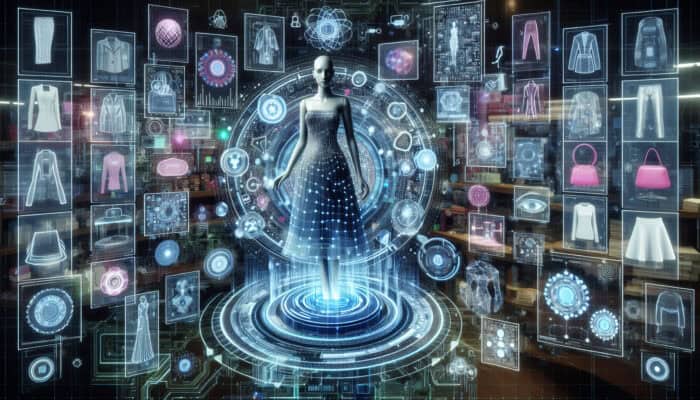
The field of fashion human virtual assistants is profoundly shaped by a multitude of technological innovations that significantly enhance the capabilities of trend analysis. At the heart of this transformation lie advancements in artificial intelligence and data processing. These cutting-edge technologies empower virtual assistants to swiftly compile and scrutinise vast quantities of data, enabling them to pinpoint emerging trends that traditional methodologies might overlook.
- Artificial Intelligence (AI) integration
- Natural Language Processing (NLP)
- Machine Learning algorithms
- Big Data analytics
- Cloud Computing
- Augmented Reality (AR) tools
- Visual Recognition technology
- Advanced data visualisation tools
The application of these sophisticated tools not only revolutionises data processing techniques but also markedly improves the accuracy and relevance of trend analysis outcomes. Such technological progress ensures that fashion professionals remain competitive in an ever-evolving market landscape, responding effectively to consumer demands and preferences.
What Are the Core Components of Trend Analysis Systems?
At the core of fashion human virtual assistants lies an intricate framework that seamlessly integrates algorithms with user interfaces. These meticulously crafted algorithms are designed to handle complex data sets, recognising essential patterns and trends that inform strategic decision-making. Concurrently, intuitive user interfaces guarantee that users can easily navigate the information presented, facilitating smooth interactions with the assistant for effective trend spotting.
This foundational structure ensures that assistants operate efficiently across diverse contexts, empowering brands and retailers to adapt their strategies promptly in response to shifting market demands.
What Challenges Are Faced When Developing Fashion Assistants?
The journey of creating fashion human virtual assistants is fraught with challenges, particularly concerning data accuracy and scalability. Achieving precision in the collected data is paramount, as inaccuracies can lead to erroneous predictions and misguided strategies. Additionally, as data volumes continue to expand, maintaining scalability becomes essential to enhance performance in trend analysis.
Developers within this domain must diligently confront these challenges by instituting robust data validation processes and implementing scalable architectures capable of efficiently managing increasing workloads and data complexity.
How Do Fashion Human Virtual Assistants Successfully Analyse Trends?
What Is the Process for Data Collection and Interpretation?
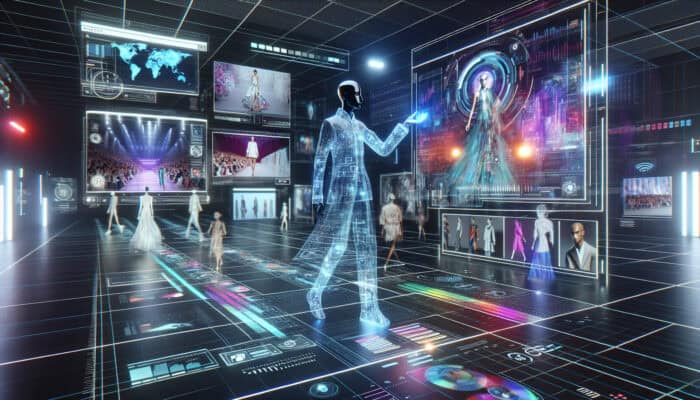
Fashion human virtual assistants adopt a systematic methodology for data collection and interpretation, which is vital for uncovering meaningful patterns and trends. This process typically initiates with gathering data from a variety of sources, including social media platforms, fashion events, retail sales data, and invaluable consumer insights.
After consolidating this data, it undergoes meticulous analysis employing advanced machine learning algorithms that identify significant patterns and correlations. This structured approach leads to actionable predictions regarding future trends. Consequently, this comprehensive methodology equips users to maintain a competitive edge in a fast-paced market landscape, ensuring they are well-informed about evolving consumer preferences and behaviours.
What Factors Influence the Accuracy of Trend Predictions?
The accuracy of predictions generated by fashion human virtual assistants is contingent upon various influential factors. User input plays a critical role; the more precise and relevant information users provide, the better the system can refine its predictive capabilities. Moreover, the efficiency of the underlying algorithms significantly impacts prediction accuracy; sophisticated algorithms that can swiftly and precisely process data enhance reliability.
Additional factors influencing predictions include the quality of the data used and the assistant’s adaptability to changing market dynamics, ensuring that trend forecasts remain relevant and actionable over time.
How Can User Feedback Be Utilised to Enhance Analysis?
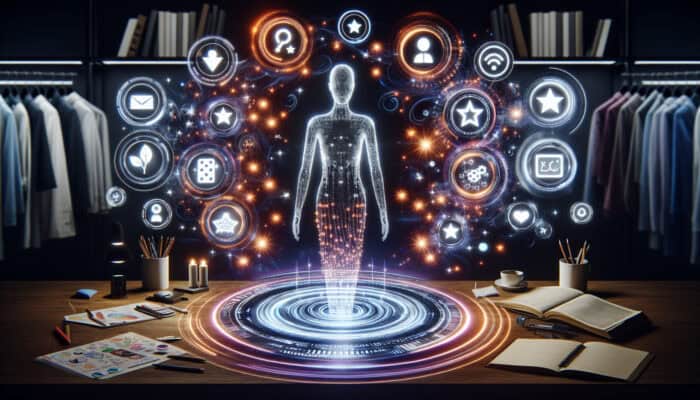
Integrating user feedback is a pivotal factor in augmenting the predictive capabilities of fashion human virtual assistants. This can be accomplished through adaptive strategies that enable the assistant to learn from user interactions and refine its algorithms accordingly.
By establishing effective feedback loops, these assistants can continuously evolve, enhancing their accuracy and relevance in trend analysis. Mechanisms such as user ratings, suggestion features, and performance evaluations play crucial roles in this iterative improvement process, ensuring the assistant adapts to user needs and market changes.
Acquire Expert Insights on the Implementation of Fashion Human Virtual Assistants for Trend Analysis
What Are the Key Principles for Effective Implementation?
Successfully implementing fashion human virtual assistants necessitates a methodical approach. Fundamental principles include setting clear objectives for trend analysis, selecting pertinent data sources, and ensuring that algorithms are tailored to specific types of trends being monitored.
For instance, a prominent fashion retailer successfully integrated a virtual assistant that leveraged social media sentiment analysis to predict consumer preferences. By concentrating on actionable insights derived from user interactions, the brand significantly enhanced its product development process, leading to a remarkable improvement in customer satisfaction and sales performance.
What Advanced Techniques Can Elevate Assistant Performance?
To maximise the functionality of fashion human virtual assistants, employing advanced techniques is essential. Approaches such as deep learning and ensemble methods can significantly bolster the robustness of the algorithms in use. Furthermore, refining the data curation process ensures that the assistant engages with the most relevant and high-quality datasets for accurate analysis.
By consistently enhancing algorithms and incorporating sophisticated processing techniques, brands can achieve superior results in trend identification, ultimately leading to more informed and strategic business decisions that align with market demands.
How Should Performance Metrics Be Evaluated?
Measuring the effectiveness of fashion human virtual assistants necessitates the utilisation of specific performance metrics. Key indicators may encompass prediction accuracy, response times, and levels of user engagement. For example, a fashion brand could assess the success of its assistant by analysing the correlation between predicted trends and actual sales outcomes over a defined period.
Employing these metrics not only yields insights into the assistant’s performance but also highlights areas for refinement, ensuring that the virtual assistant remains aligned with the evolving needs of the brand and its consumers.
What Challenges and Solutions Exist in Implementing Virtual Assistants?
The deployment of human virtual assistants for fashion trend analysis presents significant challenges, particularly regarding data privacy and bias issues. Addressing data privacy necessitates the implementation of stringent measures to safeguard user information, ensuring compliance with regulations while maintaining user trust and confidence.
Moreover, it is imperative to address potential biases within algorithms by employing diverse datasets that accurately reflect a wide range of consumer perspectives. Real-world examples, such as brands that proactively audit their data sources for bias, demonstrate effective strategies for overcoming these challenges and promoting long-term reliability and adherence to ethical standards in trend analysis.
What Are the Essential Features of Fashion Human Virtual Assistants?
How Does Customisation Enhance Their Functionality?
Customisation is crucial for improving the functionality of fashion human virtual assistants. By enabling users to tailor the assistant’s features according to their specific requirements—such as preferred data sources or trend categories—brands can significantly enhance the relevance of the insights generated.
This personalised approach ensures that users receive targeted analyses that cater to their unique market segments, ultimately resulting in more effective trend identification and strategic decision-making. For example, a brand focused on sustainable fashion could customise its assistant to prioritise insights related to eco-friendly material trends and consumer preferences.
What Benefits Does Real-Time Data Processing Provide?
Real-time data processing offers numerous advantages for fashion human virtual assistants. The ability to swiftly process information enhances both the speed and accuracy of trend detection. This immediacy empowers brands to respond quickly to emerging trends, providing them with a competitive advantage in the marketplace.
- Accelerated decision-making
- Up-to-date insights on consumer preferences
- Enhanced agility in marketing strategies
- Increased operational efficiency
These critical benefits underscore the importance of adopting real-time processing capabilities within the continually evolving fashion landscape, enabling brands to stay ahead of market shifts and consumer demands.
How Critical Is the Integration of Multiple Data Sources?
Integrating a variety of data inputs is essential for providing comprehensive insights in trend analysis. Fashion human virtual assistants can amalgamate data from numerous platforms, including sales figures, social media trends, and customer feedback, delivering a more holistic view of market dynamics.
By harnessing diverse sources, these assistants can produce richer analyses, ensuring that brands remain well-informed about consumer behaviours and preferences across different demographics and geographical regions, ultimately leading to more effective marketing strategies and product offerings.
Explore Effective Strategies for Fashion Human Virtual Assistants in Trend Analysis
What Are the Key Steps for Seamless Integration?
To smoothly incorporate fashion human virtual assistants into existing workflows, several pivotal steps must be undertaken. These include conducting initial assessments to identify specific needs, selecting relevant assistant features, and establishing clear communication channels for user interaction.
Brands that effectively implement these assistants frequently emphasize the importance of training staff to utilise the technology proficiently, ensuring that the assistants provide maximum value in trend monitoring and analysis, thereby enhancing overall operational efficiency and effectiveness.
How Can User Interaction Design Be Improved?
User interaction design is vital for enhancing engagement with fashion human virtual assistants. Elements such as intuitive navigation, aesthetic appeal, and responsive feedback mechanisms can significantly improve the user experience.
By applying established design principles, brands can develop interfaces that facilitate seamless interactions, allowing users to concentrate on extracting valuable insights from trend analyses rather than struggling with complicated technology that detracts from their objectives.
What Strategies Are Available for Evaluating Long-Term Effectiveness?
Monitoring the long-term effectiveness of fashion human virtual assistants necessitates the implementation of a robust evaluation strategy. This involves assessing performance over extended periods and measuring key indicators such as user satisfaction and the accuracy of trend predictions.
For instance, brands can conduct regular audits and feedback sessions to evaluate the assistant’s impact on their trend analysis capabilities, ensuring that it consistently meets changing market demands and does not become outdated or irrelevant over time.
What Advanced Training Techniques Are Accessible for Assistants?
Advanced training techniques for fashion human virtual assistants are essential for enhancing accuracy and adaptability in trend analysis. Methods such as machine learning algorithms enable assistants to learn from historical data and user interactions, progressively refining their predictive capabilities as they gather more insights.
Additionally, adopting data curation strategies ensures that the training data remains relevant and reflective of current market conditions. Implementing iterative feedback loops allows the assistant to continuously improve its learning processes, resulting in enhanced performance in trend forecasting and analysis.
Why Opt for Human Virtual Assistants in Trend Analysis?
What Distinguishes Them from Other Tools?
Fashion human virtual assistants frequently surpass alternative tools in delivering insightful trend data. Their ability to merge machine learning with a human-like interaction quality allows them to offer nuanced insights that other tools may struggle to replicate.
This distinctive capability guarantees that brands receive comprehensive analyses that accurately reflect real-time market conditions, providing them with a significant advantage in a saturated industry where staying ahead of trends is crucial for success.
How Does Intuitiveness Influence User Adoption?
User adoption of fashion human virtual assistants is greatly influenced by the intuitiveness of their design. When interfaces are user-friendly and straightforward, users are more likely to engage with the technology, fostering greater acceptance and utilisation.
Brands prioritising intuitive design in their virtual assistants often experience heightened user satisfaction and improved effectiveness in trend forecasting, ultimately enhancing their market strategies and consumer engagement.
What Is the Potential for Scalable Applications?
The scalability of fashion human virtual assistants enables them to adapt to growing demands, particularly in dynamic fashion markets. As brands expand their operations or target new demographics, these assistants can adjust their analysis parameters and data inputs as necessary.
This adaptability supports ongoing trend evaluation, ensuring that brands remain agile and responsive to market fluctuations without incurring significant operational costs, thereby enhancing their competitive positioning in the market.
Assess the Impact of Fashion Human Virtual Assistants on the Industry
How Do They Foster Creativity and Innovation?
Fashion human virtual assistants play a pivotal role in nurturing creativity and innovation within the fashion industry. By delivering data-driven insights and spotlighting emerging trends, these assistants inspire designers and brands to explore new styles and concepts that captivate consumers.
This encouragement of fresh ideas not only enriches the creative process but also cultivates a culture of innovation, leading to unique product offerings that resonate with consumers and satisfy their ever-evolving tastes and preferences.
What Ethical Challenges Must Be Addressed?
When leveraging fashion human virtual assistants, it is paramount to confront ethical challenges such as bias reduction and user privacy. Brands must implement strategies to ensure that algorithms are trained on diverse datasets, preventing the perpetuation of biases in trend analysis that could skew insights.
Additionally, safeguarding user privacy is essential, necessitating transparent data handling practices and clear communication with users regarding how their data will be utilised and protected.
- Regular audits for bias detection
- Privacy by design principles
- Transparent communication about data usage
- Inclusive data sourcing
These ethical guidelines ensure that the deployment of virtual assistants aligns with responsible practices within the fashion industry, reinforcing trust and integrity among consumers.
What Future Adaptations and Innovations Are Anticipated?
Looking forward, fashion human virtual assistants are expected to undergo continuous evolution, with potential adaptations that could broaden their functional scope. Advances in AI technologies, including enhanced natural language processing and improved visual recognition capabilities, will likely augment their effectiveness in trend analysis.
As technology evolves, these assistants will become increasingly proficient not only at identifying trends but also at predicting future movements with greater accuracy, providing brands with invaluable insights that drive innovation and market relevance.
What Economic Effects and Job Market Changes Are Expected?
The advent of fashion human virtual assistants significantly influences the economic landscape of the fashion industry, resulting in both cost efficiencies and revenue growth. By automating trend analysis, brands can reduce their dependency on human analysts, reallocating resources towards creative and strategic initiatives that foster growth.
However, this technological shift may also lead to job displacement in certain areas, necessitating proactive strategies for workforce adaptation. Investing in upskilling and reskilling programmes will be essential to ensure that employees transition into new roles that leverage emerging technological advancements and continue to add value to the organisation.
How Will They Integrate with Emerging Technologies?
The integration of fashion human virtual assistants with emerging technologies such as AI, VR, and blockchain holds the potential to elevate the quality of trend analysis and enhance user experiences. AI can improve predictive capabilities, while VR can create immersive shopping experiences that deeply engage consumers.
Additionally, blockchain technology offers opportunities for transparency in supply chains, ensuring that trend analyses are backed by accurate and reliable data, ultimately driving innovation and efficiency within the fashion sector and fostering trust among consumers.
Frequently Asked Questions
What Are Fashion Human Virtual Assistants?
Fashion human virtual assistants are AI-driven systems crafted to analyse and interpret data related to fashion trends, providing actionable insights that assist brands in making informed decisions regarding their market strategies and product offerings.
How Do These Assistants Gather Data?
These assistants gather data from a variety of sources, including social media platforms, sales statistics, and customer feedback, allowing them to effectively identify patterns and forecast trends that inform business decisions.
Which Technologies Are Essential for Their Functioning?
Key technologies encompass artificial intelligence, machine learning, natural language processing, and big data analytics, all of which enhance their capabilities in trend analysis and bolster prediction accuracy, leading to sound strategic outcomes.
How Accurate Are Their Predictions?
The precision of predictions is contingent upon the quality of the data utilised and the effectiveness of the algorithms, with user input also playing a vital role in shaping outcomes and ensuring reliability in trend forecasting.
What Challenges Do These Assistants Face?
Challenges encompass ensuring data accuracy, addressing biases within algorithms, and maintaining user privacy, all of which are critical for reliable and trustworthy trend analysis that brands can depend on for strategic decisions.
Is Customisation Available?
Yes, fashion human virtual assistants can be tailored to meet specific user needs, allowing brands to customise the insights generated for their unique market segments and consumer profiles, thereby enhancing relevance and effectiveness in their analyses.
What Metrics Are Used to Assess Their Performance?
Key performance metrics include prediction accuracy, levels of user engagement, response times, and overall impact on sales and customer satisfaction, providing a comprehensive understanding of the assistant’s effectiveness in delivering valuable insights.
How Do They Promote Creativity in Fashion?
By providing insights into emerging trends and consumer preferences, these assistants inspire new ideas and foster innovation among designers and brands, thus enhancing the creative process and driving the evolution of fashion.
What Ethical Concerns Are Relevant?
Ethical concerns encompass reducing bias in algorithms, ensuring user privacy, and implementing transparent data handling practices that are essential for responsible usage within the fashion industry and building consumer trust.
What Is the Future Potential for These Assistants?
The future potential includes advanced AI integration, improved predictive capabilities, and broader applications across various sectors of the fashion industry, driving sustained innovation and ensuring continued market relevance.
Explore our YouTube channel today!
The Article Fashion Human Virtual Assistants for Trend Analysis First Published On: https://vagods.co.uk
The Article Fashion Virtual Assistants for Trend Analysis Insights Was Found On https://limitsofstrategy.com