Comprehensive Guide to Understanding the Full Blood Count Test Offered in Derby
What is the FBC Test and Why is it Crucial for Your Health?
Private FBC Test in Derby: This essential procedure involves the detailed analysis of a blood sample to evaluate critical health indicators, including red blood cell counts, white blood cell counts, and haemoglobin levels. This vital test is frequently carried out in local clinics, allowing healthcare practitioners to effectively monitor patients’ health conditions and identify potential issues at an early stage, thereby facilitating timely intervention.
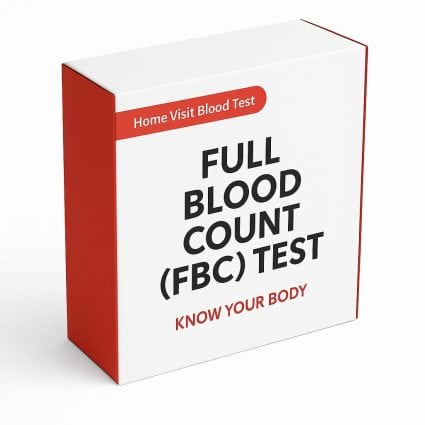

Receiving test results provides many individuals with peace of mind by enabling the early detection of potential health concerns. By facilitating timely interventions, the FBC test significantly contributes to enhancing overall health management and ensures that patients can take proactive steps towards improving their well-being and maintaining optimal health.
Key Preparations Needed Prior to Undergoing the FBC Test
Proper preparation for the FBC test is essential to guarantee the accuracy of the results. Generally, patients are advised to abstain from eating or drinking for a minimum of 8 hours before the test. However, specific instructions may differ based on the recommendations from their healthcare provider. Scheduling the appointment early in the morning can facilitate adherence to this fasting requirement, making it easier for patients to follow the essential pre-test protocols.
Moreover, it is critical to adhere to the clinic’s specific instructions to ensure a seamless testing experience and optimal precision in results. This diligence plays a crucial role in providing the most accurate health assessment for patients and aids in the early detection of any potential health issues.
Investigating the Common Uses of the FBC Test in Health Monitoring
The FBC test serves a key role in identifying a range of health conditions, in accordance with UK medical guidelines. It is particularly effective in diagnosing issues such as malaria, infections, and various blood-related disorders. Healthcare professionals typically include this test in routine health assessments, ensuring timely intervention and treatment when necessary. The findings from the FBC test can lead to lifestyle modifications or further diagnostic testing, thereby promoting proactive health management.
Step-by-Step Explanation of the FBC Test Procedure
In Derby, the FBC test is conducted through a straightforward blood draw at a local clinic or hospital. A trained phlebotomist starts the process by cleaning the site with an antiseptic wipe, ensuring the area is sterile. They then insert the needle fully into the arm to collect the necessary sample. The entire procedure is designed to minimise discomfort and typically lasts between five to ten minutes. Strict adherence to NHS hygiene standards is maintained throughout the process to prevent infection and guarantee the utmost safety for patients undergoing the test.
How Can You Effectively Interpret the Results of the FBC Test?
Interpreting FBC test results in the UK requires careful comparison of the patient’s blood cell counts against established norms outlined in British medical guidelines. For example, low haemoglobin levels may indicate anaemia. General practitioners (GPs) dedicate time to elucidating these findings to patients, discussing possible underlying causes, and outlining subsequent steps. This may involve lifestyle alterations or additional tests to ensure comprehensive patient care and enhance health outcomes.
Expert Analysis of the FBC Test Offered in Derby
Advanced Techniques Utilised in the FBC Test for Enhanced Precision
Modern laboratories across the UK employ state-of-the-art techniques to improve the accuracy and reliability of the FBC test. These methodologies leverage high-precision analysers and digital imaging technology to streamline the testing process and enhance efficiency. Key equipment and procedures involved in FBC testing typically include:
- Automated blood cell counters
- Flow cytometry
- Microscopy for manual differential counts
- Advanced software for data analysis
Utilising such tools ensures that results are not only accurate but also delivered promptly, significantly enhancing the quality of patient care and facilitating timely interventions when necessary.
How to Thoroughly Interpret Your FBC Test Results
Healthcare professionals in Derby are proficient in meticulously analysing FBC test results. Patients should be informed about what to expect from follow-up consultations; clear communication of results is essential for alleviating concerns. After the test, patients are often encouraged to schedule a follow-up appointment to review their results in detail, enabling healthcare providers to recommend appropriate actions based on the individual’s health profile and requirements for a comprehensive health strategy.
Understanding the Risks and Precautions Associated with the FBC Test
While the FBC test is generally considered safe, it is essential to acknowledge potential risks and the precautions that should be taken. In accordance with UK standards, healthcare professionals implement measures to minimise discomfort and prevent complications. For instance, patients may experience slight bruising or soreness at the injection site. To address these minor side effects, practitioners typically provide evidence-based guidance on post-test care, ensuring patients are well-informed about what to expect during their recovery process.
How Does the FBC Test Operate in Derby?
Detailed Overview of the FBC Testing Process
The FBC test process in Derby is designed to be straightforward and efficient. Initially, patients arrive at their scheduled appointment, where a healthcare professional will clearly explain the entire procedure to ensure they feel comfortable. Subsequently, a blood sample is collected, typically from the arm, and sent to a laboratory for analysis. Here, blood cell counts and other critical measurements are conducted. This systematic approach guarantees accurate and reliable information that informs healthcare decisions and strategies for patients, helping to optimise their health management.
Why is it Important to Choose the FBC Test?
Opting for an FBC test can be crucial for recognising underlying health issues, particularly for individuals experiencing symptoms such as fatigue, weakness, or unusual bruising. This test is strongly recommended in the UK, where early detection significantly enhances health outcomes. With the FBC test, patients can gain a clearer understanding of their health status and take proactive measures to improve their well-being and overall quality of life.
Determining How Often You Should Get an FBC Test
The recommended frequency of FBC tests varies by demographic group across the UK. Generally, adults are advised to undergo an FBC test as part of routine health checks, especially if they have risk factors or symptoms that warrant monitoring. For instance, older adults and individuals with chronic conditions may require more frequent testing to track and monitor changes in their health status. Establishing a consistent testing schedule can significantly aid in managing long-term health and enhancing overall outcomes.
Evidence-Based Benefits of the FBC Test in Derby
Health Improvements Associated with the FBC Test
Research underscores the FBC test’s health benefits, primarily through the early detection of various medical conditions. Studies conducted in the UK have demonstrated that prompt identification of issues such as anaemia allows for interventions that significantly improve quality of life. To maximise the benefits of their test results, patients are encouraged to integrate their findings into their health plans and actively participate in their care and management to achieve optimal outcomes and enhance their overall health status.
Long-Term Health Outcomes from Regular FBC Testing
Consistent FBC tests contribute to improved long-term health outcomes. According to UK research, ongoing monitoring enables healthcare providers to make informed decisions regarding treatment modifications and lifestyle recommendations. Key long-term health benefits include:
- Enhanced management of chronic conditions
- Early intervention in emerging health issues
- Greater understanding of personal health trends
- Increased patient engagement in health management
Such outcomes can lead to significant enhancements in patients’ overall health and well-being, underscoring the importance of regular testing and proactive health management.
Cost-Effectiveness and Accessibility of the FBC Test
In the UK, the Full Blood Count test is typically affordable and accessible, particularly through the NHS. Patients often receive testing as part of routine health checks at their local GP practice without incurring substantial costs. Efficient navigation of healthcare services can help secure appointments and results, enabling them to receive the highest standard of care. Testimonials and case studies highlighting the FBC test illustrate its positive impact on patient health journeys.
Real-life case studies from Derby vividly demonstrate the significant impact of the FBC test on patients’ health journeys. Numerous individuals share compelling stories of early detection, which enabled timely intervention and prevented more severe health complications. These testimonials highlight the critical importance of testing and offer valuable insights for prospective patients, helping them understand what to expect and how to manage their health based on proactively provided NHS data.
What Are the Major Benefits of the FBC Test in Derby?
Notable Advantages for Individuals Undergoing the FBC Test
For individuals in Derby, the FBC test presents numerous personal health advantages. The test forms a part of preventive care, identifying potential health concerns before they escalate into serious conditions. By gaining insights into their blood health, patients can make informed lifestyle choices and engage more effectively with their healthcare providers to enhance their overall health and well-being.
Is the FBC Test Appropriate for Everyone?
While the FBC test offers benefits for a broad range of individuals, certain populations may gain more from it, particularly older adults and those with chronic conditions. Patients should consult their healthcare professionals to determine whether this testing is suitable for their specific health circumstances, taking into account factors such as age and pre-existing health issues that may influence their health management strategies.
Monitoring Your Progress with FBC Testing Over Time
In the context of UK healthcare, tracking changes in FBC tests is vital for effective health management. Patients should maintain comprehensive records of their test results and consult their providers regularly to monitor their progress. This proactive approach can aid in adjusting strategies and ensuring optimal well-being over time, emphasising the importance of consistent health monitoring.
Post-Test Care Instructions for Patients Following FBC Testing
Post-test care following an FBC test in Derby involves simple yet vital steps. Patients are advised to keep the puncture site clean and dry for at least 24 hours after the procedure. If any discomfort or bruising occurs, applying a cold compress can help alleviate these symptoms. Furthermore, maintaining an open line of communication with local healthcare providers is essential to ensure that any concerns are addressed promptly and effectively.
Examining Alternatives to the FBC Test for a Comprehensive Health Assessment
While the FBC test serves as a fundamental diagnostic tool, alternative testing options are available in the UK. Tests such as comprehensive metabolic panels or specific disease markers can provide additional insights, depending on the presenting symptoms. For instance, individuals with specific health concerns may benefit from discussing alternatives with their healthcare provider to determine the most suitable course of action based on their unique health circumstances and needs.
When Should Patients Seek Medical Advice After FBC Testing?
Patients should seek guidance from healthcare professionals whenever they observe concerning symptoms, such as persistent fatigue, unexplained weight loss, or unusual bruising. Within the UK health systems, timely consultation can lead to faster diagnoses and improved health outcomes. It is imperative that patients feel empowered to voice their concerns, as this is vital for effective healthcare delivery and management, promoting a proactive approach to health.
Frequently Asked Questions (FAQs) Concerning the FBC Test
What is the primary purpose of an FBC test?
The FBC test primarily assesses blood health by measuring red and white blood cell counts, haemoglobin levels, and other key blood components, aiding in the detection of various medical conditions that may affect overall health.
How long does the FBC test procedure typically take?
The FBC test process generally takes around five to ten minutes, with the blood draw being quick and straightforward. However, the overall time spent in the clinic may vary based on patient load and specific circumstances related to the testing environment.
Is fasting required before undergoing the FBC test?
Yes, fasting for at least 8 hours before testing is typically recommended to ensure accurate results. Specific instructions may vary by healthcare provider, so it is essential for patients to follow their doctor’s guidance closely.
How are the results of the FBC test interpreted?
Results from the FBC test are interpreted by comparing the patient’s blood cell counts to established reference ranges, which help identify potential health issues such as anaemia or infections that may require further attention or intervention.
Are there any risks associated with the FBC test?
While the FBC test is generally considered safe, minor risks may include bruising, soreness, or infection at the needle site; these complications are rare and typically resolve on their own without further issues.
How often should I undergo an FBC test?
The frequency of FBC tests can differ based on individual health circumstances. Still, adults are generally advised to have routine checks as part of their health management plan, particularly if they have existing health conditions that warrant regular monitoring.
What steps should I take if my FBC test results are abnormal?
If your FBC test results are abnormal, consult your healthcare provider to discuss the findings and any necessary next steps, which may include further testing or lifestyle modifications to improve your health outcomes.
Can children undergo an FBC test?
Yes, children can have the FBC test. It is commonly used to evaluate various health issues in paediatric patients and is typically performed under the guidance of a healthcare professional to ensure the best outcomes.
What is the cost of the FBC test in the UK?
In the UK, the FBC test is frequently available through the NHS at no cost to patients. However, private testing options may incur charges depending on the provider and specific services offered, providing flexibility for those seeking immediate testing.
What should I expect after taking the FBC test?
After undergoing the FBC test, patients should follow any aftercare instructions provided and await their results, which typically include a follow-up appointment with their healthcare provider to discuss findings and implications for ongoing care.
Join our vibrant community on Facebook!
This Article Was First Found On https://bloodtest.co.uk
The Article FBC Test Procedures: Your Essential Guide in Derby Was Found On https://limitsofstrategy.com