Your Comprehensive Resource for the Full Blood Count Test in Exeter
What Key Aspects Does the Full Blood Count Test Cover in Exeter?
Private FBC Test in Exeter: The Full Blood Count (FBC) test acts as a vital diagnostic tool widely utilised within healthcare facilities across the UK, including Exeter. Its primary aim is to assess a patient’s overall health and identify various medical disorders, such as infections, anaemia, and other significant health concerns. This test meticulously measures multiple blood components, offering essential insights into an individual’s health status. The critical processes involved in the FBC procedure encompass:
- Venepuncture to collect blood samples
- Processing of samples in laboratory settings
- Automated analysis of blood components
- Healthcare professionals’ interpretation of results
- Communication of findings to patients
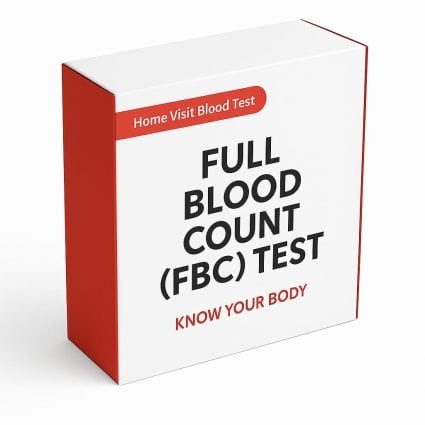

The FBC test in Exeter plays a fundamental role in routine health assessments, pre-operative evaluations, and the management of chronic health conditions, ensuring that patients receive timely and suitable medical care tailored to their specific health needs.
How is the Full Blood Count Test Administered in Exeter?
In Exeter, the implementation of the Full Blood Count test typically follows established venepuncture techniques carried out by trained phlebotomists or nurses. A sterile needle is utilised to draw blood from a vein, most commonly situated in the arm. Local medical facilities adhere to stringent guidelines to guarantee the accuracy and safety of the procedure, which includes the use of well-maintained equipment and strict compliance with infection control protocols. Once blood is collected, samples are swiftly processed in an accredited laboratory, where advanced analysers meticulously measure various blood parameters, including red blood cell and white blood cell counts, haemoglobin levels, and platelet counts, providing a thorough overview of the patient’s health status.
What Key Components Are Evaluated in the Full Blood Count Test in Exeter?
The essential elements assessed during the Full Blood Count test in Exeter include several crucial measurements that align with UK healthcare standards. These components typically consist of:
- Red blood cell count (RBC)
- White blood cell count (WBC)
- Haemoglobin (Hb) levels
- Hematocrit (Hct) ratio
- Platelet count (PLT)
Each of these elements holds substantial diagnostic value, enabling healthcare professionals to effectively evaluate and monitor various health conditions. This comprehensive assessment facilitates a nuanced understanding of a patient’s overall health, paving the way for informed treatment decisions that can significantly enhance patient care.
Understanding the Operational Process of the Full Blood Count Test in Exeter
Step-by-Step Overview of the Full Blood Count Test in Exeter
The operational process of the Full Blood Count test in Exeter involves a systematic and structured approach to ensure both efficiency and reliability in results. Initially, a qualified healthcare professional guides the patient through each step of the process, providing detailed explanations of the procedure to alleviate any concerns. Following this, blood is drawn using venepuncture, which usually only takes a few minutes to complete.
Once the sample has been collected, it is meticulously labelled and promptly transported to the laboratory for analysis. In the laboratory, advanced technology is employed to analyse the sample, with automated systems conducting multiple tests concurrently to generate comprehensive results. Skilled laboratory technicians then review these results before forwarding them to the treating clinician, who interprets the findings and discusses them with the patient, ensuring transparency and understanding of the results.
What Influencing Factors Can Affect the Full Blood Count Test Results in Exeter?
A multitude of factors can significantly impact the outcomes of the Full Blood Count test in Exeter, particularly those related to the patient’s individual circumstances and local environmental conditions. For instance, a patient’s hydration status can greatly affect the concentrations of blood components, thereby influencing the accuracy of the results. Additionally, the timing of the test—whether conducted before or after meals—can also play a crucial role in determining the outcomes.
Furthermore, certain medications, underlying health conditions, and even genetic predispositions can modify blood cell counts. Understanding these variables is essential for healthcare providers in Exeter, as they must factor them into the interpretation of results to ensure accurate diagnoses and develop effective treatment plans tailored to each patient’s unique needs.
What Common Findings Arise from the Full Blood Count Test Conducted in Exeter?
Typical results from the Full Blood Count test in Exeter can provide vital insights into a patient’s health status. Common findings may include the identification of conditions such as anaemia, characterised by reduced haemoglobin levels, or leucocytosis, indicated by elevated white blood cell counts, often associated with infections or other inflammatory processes.
These results play an essential role within the national healthcare framework, guiding subsequent medical decisions and interventions. This highlights the importance of the FBC test in the early detection and management of health issues, ultimately enhancing patient outcomes within the UK healthcare system.
Insightful Perspectives on the Full Blood Count Test in Exeter
Innovative Approaches Utilised in the Full Blood Count Test in Exeter
Healthcare professionals in Exeter consistently employ a variety of innovative techniques to optimise the Full Blood Count test’s efficacy. For instance, the use of high-throughput analysers enables rapid processing of blood samples, significantly enhancing efficiency in busy clinical environments. Local healthcare providers engage in ongoing professional development and continuing education to stay updated about the latest technological advancements, ensuring that they deliver the highest standards of care to patients.
Moreover, some practitioners incorporate flow cytometry to conduct more detailed analyses of specific blood components, providing valuable insights into conditions such as leukaemia and other haematological disorders. The integration of such specialised techniques reflects a strong commitment to improving patient outcomes through advanced laboratory practices and methodologies.
What Expert Recommendations Exist for Maximising the Benefits of the Full Blood Count Test in Exeter?
Experts recommend a range of actionable strategies to optimise the benefits of the Full Blood Count test in Exeter. Implementing best practices such as ensuring proper patient preparation and timely sample processing can significantly enhance the accuracy of test results. Local specialists emphasise the importance of routine training for all staff involved in blood collection and analysis to maintain high standards of practice and patient care.
Additionally, promoting patient education about the significance of the FBC test can bolster patient engagement and compliance, ultimately leading to improved health management outcomes. These trusted strategies are pivotal in elevating the quality of care provided within the region, ensuring that patients receive the best possible healthcare services tailored to their needs.
What Challenges Do Experts Face Regarding the Full Blood Count Test in Exeter?
Experienced practitioners in Exeter frequently encounter challenges associated with the Full Blood Count test. One prevalent issue stems from the variability in patient responses due to pre-existing health conditions or the effects of medications, which can complicate the interpretation of results.
To address these challenges, healthcare authorities advocate for a multidisciplinary approach that encourages collaboration among general practitioners, specialists, and laboratory technicians. Such teamwork enhances the ability to navigate complexities effectively, ensuring patients receive comprehensive care that is tailored to their specific health needs.
What Are the Primary Benefits of the Full Blood Count Test in Exeter?
What Health Advantages Are Offered by the Full Blood Count Test in Exeter?
The Full Blood Count test in Exeter provides numerous health benefits for the local population. By facilitating the early detection of conditions such as anaemia or infections, patients gain access to timely interventions that can substantially improve health outcomes.
Evidence-based benefits from the test include:
- Increased detection rates of blood disorders
- Early identification of infections
- Improved management of chronic illnesses
- Enhanced assessments prior to surgical procedures
These advantages highlight the importance of the FBC test within Exeter’s healthcare framework, promoting proactive health management and improved patient wellbeing across the community.
Why is the Full Blood Count Test in Exeter Considered Effective?
The effectiveness of the Full Blood Count test in Exeter is attributed to its comprehensive nature and the precision of modern analytical methodologies employed in local laboratories. The accurate measurement of blood components enables healthcare professionals to swiftly identify abnormalities and initiate suitable treatment strategies.
Moreover, integration with local healthcare systems ensures that results are communicated effectively, allowing for timely follow-up actions. This collaborative approach underscores the test’s value in supporting patient care in Exeter and within the broader UK healthcare system.
What Are the Long-Term Benefits of the Full Blood Count Test in Exeter?
The Full Blood Count test in Exeter plays a vital role in supporting long-term health management by enabling continuous monitoring of patients, especially those with chronic conditions. Routine testing allows healthcare providers to track changes in blood parameters over time, facilitating timely adjustments to treatment plans based on the evolving needs of individual patients.
Furthermore, as national health trends evolve, the test serves as a valuable data source to inform public health strategies, reinforcing its role in promoting sustained health improvements throughout the region and enhancing overall community health outcomes.
Research-Driven Insights on the Full Blood Count Test in Exeter
What Does Research Reveal About the Full Blood Count Test in Exeter?
Research conducted in Exeter has highlighted the practical benefits of the Full Blood Count test, demonstrating its effectiveness across a variety of clinical contexts. Case studies reveal that the timely identification of conditions such as anaemia leads to improved patient outcomes and decreased hospitalisation rates.
Experts endorse the FBC test as a standard screening tool, aligning with local health initiatives that advocate for preventive care. These evidence-based approaches further emphasise the test’s significance in enhancing healthcare delivery across the region.
What Key Findings Support the Full Blood Count Test in Exeter?
Key findings from domestic research indicate that the Full Blood Count test is crucial in refining clinical practices within the UK. Data shows that consistent testing correlates with improved patient outcomes, particularly in the management of chronic diseases.
These insights empower healthcare providers to adopt best practices, fostering continuous improvement in testing protocols and patient engagement strategies, ultimately enhancing health outcomes across Exeter and the surrounding areas.
What Are the Implications of Research for the Full Blood Count Test in Exeter?
Outcomes from UK-based investigations into the Full Blood Count test in Exeter highlight the necessity for reliable strategies that enhance the effectiveness of blood testing procedures. Research indicates that incorporating patient feedback and clinician insights can significantly improve service delivery and overall patient satisfaction.
As the healthcare landscape continues to evolve, these findings provide a roadmap for implementing changes that ensure the Full Blood Count test remains relevant and impactful within Exeter’s healthcare framework, ultimately benefiting the patient population.
What Challenges and Solutions Are Associated with the Full Blood Count Test in Exeter?
Identified challenges in UK research on the Full Blood Count test often revolve around inconsistencies in patient results and adherence to testing protocols. Evidence-based strategies, such as standardising procedures and enhancing staff training, have been recommended to effectively address these challenges.
Leveraging Exeter’s experience, healthcare providers have begun implementing quality control measures and conducting regular audits to improve process efficiency, ensuring that patients benefit from consistent and reliable testing practices within the NHS framework.
What Future Directions Exist for the Full Blood Count Test in Exeter?
Looking ahead, emerging research opportunities in Exeter suggest innovative approaches to enhance the effectiveness of the Full Blood Count test. Areas of focus may include integrating advanced diagnostic technologies and personalised medicine practices tailored to individual patient profiles and health needs.
Practitioners in Exeter are encouraged to embrace these advancements, ensuring that the Full Blood Count test continues to evolve alongside changes in the healthcare landscape, maximising its potential benefits for long-term patient care and health management.
Why Opt for the Full Blood Count Test in Exeter?
What Makes the Full Blood Count Test in Exeter the Preferred Choice for Diagnosis?
The Full Blood Count test in Exeter is preferred for numerous reasons, primarily its comprehensive nature and the established reputation of local healthcare providers. Compared to other diagnostic methods, the FBC test offers a quick, reliable, and non-invasive means of assessing overall health, making it an essential part of routine medical evaluations.
What Alternative Testing Options Are Available to the Full Blood Count Test in Exeter?
While the Full Blood Count test serves as a cornerstone of diagnostic testing in Exeter, alternative testing options do exist. These may include specific tests aimed at diagnosing targeted conditions, such as iron deficiency or clotting disorders. However, the broad applicability and diagnostic scope of the FBC test often render it the preferred choice across various healthcare settings.
Understanding these alternatives allows patients to engage in informed discussions with their healthcare providers regarding the most suitable approaches to their individual health needs and conditions.
What Future Innovations Are Expected in the Full Blood Count Test in Exeter?
Potential developments concerning the Full Blood Count test in Exeter may include the incorporation of emerging technologies, such as artificial intelligence for data analysis, which can facilitate more nuanced interpretations of test results. As healthcare systems evolve, practitioners in Exeter are likely to adopt these innovations, thereby enhancing the test’s accuracy and relevance in clinical practice.
What Is the Accessibility of the Full Blood Count Test in Exeter?
Access to the Full Blood Count test in Exeter is facilitated by a well-established healthcare infrastructure, with numerous clinics and laboratories offering testing services. Transport options throughout the city, including public transport and accessible parking facilities, enhance patient convenience and accessibility.
Minimal waiting times further promote timely access to healthcare, ensuring that individuals can more easily obtain this essential diagnostic service than in other regions of the UK. This contributes to proactive health management and reinforces the overall effectiveness of healthcare delivery in Exeter.
Preparing for the Full Blood Count Test in Exeter
How to Prepare Effectively for the Full Blood Count Test in Exeter?
Effective preparation for the Full Blood Count test in Exeter involves adhering to several straightforward guidelines tailored to local practices. Patients are typically advised to remain well-hydrated, as this can facilitate blood collection and improve the quality of the sample.
Moreover, it is crucial to follow any specific instructions provided by the healthcare provider, including dietary restrictions or medication adjustments, ahead of the test. These considerations help ensure that patients are optimally prepared, contributing to accurate results and a smooth testing process, ultimately benefiting their health outcomes.
What Essential Preparations Are Necessary Within the UK Context?
Necessary preparations for the Full Blood Count test in the UK context usually entail ensuring that the correct documentation is presented, such as NHS numbers or other forms of identification. Patients may also receive pre-test advice regarding what to expect during the procedure, highlighting the importance of clear communication between patients and healthcare professionals to enhance the overall experience and understanding of the testing process.
What Potential Preparations Might Be Overlooked?
When preparing for the Full Blood Count test in Exeter, specific aspects may be overlooked, particularly those related to dietary considerations. For instance, patients might not be aware that consuming certain foods or beverages prior to the test could affect the accuracy of the results.
Essential tips for thorough planning include:
- Avoiding fatty foods the night before
- Refraining from strenuous exercise before the test
- Continuing regular medications unless advised otherwise by a healthcare provider
- Communicating any recent illnesses to the healthcare provider
Being mindful of these preparatory measures enhances the accuracy of the test results, ultimately benefiting patient health outcomes and ensuring the reliability of the diagnostic process.
Aftercare Following the Full Blood Count Test in Exeter
What Follow-Up Procedures Occur After the Full Blood Count Test in Exeter?
Post-test actions in Exeter typically involve a structured follow-up process. Patients are generally notified of their results within a few days, accompanied by clear communication from their healthcare provider regarding any necessary next steps based on the findings.
Depending on the results, this may range from routine monitoring to further testing or treatment recommendations. Ensuring that patients understand the follow-up process is vital for effective health management and for fostering a proactive approach to their ongoing healthcare needs.
How Are Results Interpreted from the Full Blood Count Test in Exeter?
Interpreting the results of the Full Blood Count test in Exeter necessitates a thorough understanding of the specific parameters measured and their implications for an individual’s health. Typically, healthcare providers will discuss the findings with patients, clarifying what each component signifies and any potential health concerns that may arise from the results.
Providing context around the results empowers patients to make informed decisions regarding their health management and reinforces the collaborative nature of the treatment planning process between patients and healthcare professionals.
What Does Long-Term Care Involve Following the Full Blood Count Test in Exeter?
Long-term care after the Full Blood Count test in Exeter centres on the ongoing management of any identified health issues. Patients are encouraged to participate in regular check-ups and monitoring sessions, particularly if chronic conditions were detected during testing.
Access to supportive resources, including support groups or educational materials, can further enhance patient engagement and adherence to health management strategies, ultimately promoting sustained wellbeing and improved health outcomes over time.
How to Manage Potential Side Effects After the Full Blood Count Test in Exeter?
While the Full Blood Count test is generally regarded as safe, there may be minor side effects, such as slight bruising at the puncture site or temporary dizziness. Patients are advised to rest after the procedure and should contact healthcare providers if they experience persistent discomfort or any concerning symptoms.
Utilising available NHS resources for support ensures that patients feel well-informed and comfortable throughout their healthcare journey, contributing to a positive experience and enhancing overall satisfaction with the care received.
What Are the Referrals and Specialist Consultations Following the Full Blood Count Test in Exeter?
Following the results of the Full Blood Count test in Exeter, specialist referral protocols may be initiated if any abnormalities are detected. Typically, general practitioners play a critical role in coordinating care, ensuring that patients gain access to the necessary services for further investigation or treatment as required.
Clear pathways within the NHS facilitate this process, enabling a seamless transition to specialised care when necessary and ensuring comprehensive management of patients’ health concerns, thereby fostering better outcomes.
Frequently Asked Questions
What Is the Main Purpose of the Full Blood Count Test?
The Full Blood Count test primarily serves to assess overall health and detect a range of disorders, including infections, anaemia, and various blood diseases.
How Long Does the Full Blood Count Test Take?
The actual blood collection for a Full Blood Count test takes only a few minutes, while results are typically available within a few days, allowing for timely follow-up and management.
Is Special Preparation Required Before Undergoing the Full Blood Count Test?
Generally, it is recommended to stay well-hydrated, and patients may need to avoid certain foods or medications based on their healthcare provider’s specific advice regarding test preparation.
What Should I Expect During the Full Blood Count Test Procedure?
During the Full Blood Count test, a healthcare professional will draw blood from a vein in your arm, which may cause a brief sensation similar to a pinch or slight discomfort, but the process is usually quick and straightforward.
Are There Any Risks Associated with the Full Blood Count Test?
The Full Blood Count test is considered very safe; however, minor risks may include bruising, infection, or transient dizziness after the blood collection.
How Can I Interpret My Full Blood Count Test Results?
Healthcare providers typically discuss the results with patients, explaining what each component indicates about their health status and outlining any recommended next steps based on the findings.
What Happens If My Full Blood Count Test Results Are Abnormal?
Abnormal results may lead to further testing or referrals to specialists to diagnose any underlying health conditions, ensuring that appropriate follow-up care is initiated promptly.
How Often Should I Undergo a Full Blood Count Test?
The frequency of Full Blood Count tests varies based on individual health needs; your healthcare provider can advise on a suitable testing schedule tailored to your circumstances.
Can I Eat Before Undergoing a Full Blood Count Test?
Generally, fasting is not required for a Full Blood Count test, but it is advisable to follow your healthcare provider’s specific dietary instructions prior to the test.
Where Can I Access a Full Blood Count Test in Exeter?
Full Blood Count tests are available at various clinics and hospitals throughout Exeter, usually as part of routine health checks or upon referral by a healthcare provider, ensuring convenient access for patients.
Connect with us on Facebook for more information!
This Article Was First Found On https://bloodtest.co.uk
The Article FBC Test Benefits and Process Explained for Exeter Residents found first on https://electroquench.com