Last Updated on January 26, 2026 by David
Maintaining indoor flagstone floors can be a challenging task for homeowners, particularly when faced with the recurring issue of a dull, dusty film forming on the surface shortly after a thorough cleaning. Initially, the floor gleams and appears revitalised, but this temporary freshness soon gives way to an unwelcome haze that can be incredibly frustrating. This phenomenon is not an isolated incident; it is a natural consequence of the inherent properties of indoor flagstone flooring. It is essential to recognise that this issue does not stem from a lack of care or indicate deterioration of the stone. Instead, it highlights the characteristics of a textured, porous surface that is regularly subjected to foot traffic and environmental factors.
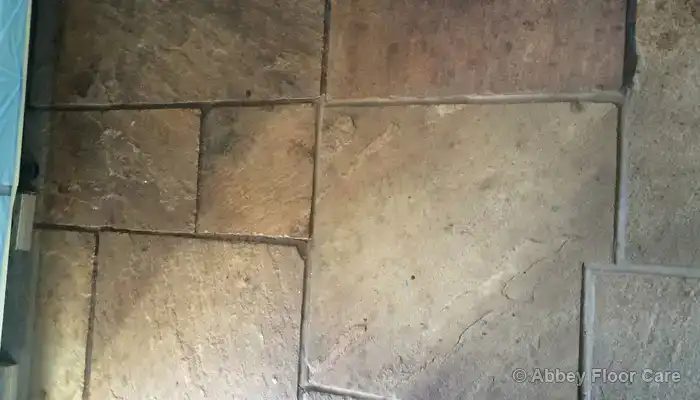
Exploring the Causes of Dusty Residue on Your Flagstone Floor After Cleaning
The majority of indoor flagstone floors feature a riven, or uneven, texture that enhances the stone's aesthetic appeal while simultaneously providing numerous nooks for fine household dirt to collect. While mopping effectively removes loose surface dirt, finer particles often remain embedded within the stone's unique texture. As the floor dries, this residue can rise back to the surface, resulting in an unsightly light haze or dusty film. This ongoing battle with dirt is a common experience for many flagstone owners, underscoring the importance of understanding the floor's behaviour and the specific maintenance strategies required to mitigate this issue.
Why is Traditional Mopping Ineffective for Achieving Long-Lasting Cleanliness?
On smooth flooring surfaces, conventional cleaning methods tend to work effectively as dirt has limited spaces to hide. However, flagstone presents a different challenge due to its textured surface, which facilitates complex interactions with dirt and grime. The cleaning process often redistributes contaminants rather than fully eliminating them. Moreover, excessive water usage can exacerbate the problem. Moisture can seep deeper into the stone and grout lines, only to be drawn back up to the surface during evaporation. While the floor might appear cleaner temporarily, the underlying issues remain unaddressed, leading to a repetitive cycle of dirt accumulation and dissatisfaction.
How Do Ageing Sealers Impact the Maintenance of Flagstone Floors?
Many indoor flagstone floors have been treated with sealers that may not be adequately designed to cope with moisture movement through the stone. As these sealers age, their ability to protect diminishes significantly. Instead of preventing dirt from infiltrating the stone, they can trap fine particles just beneath the surface, making them inaccessible to standard cleaning techniques. This situation often results in floors that appear uneven or consistently dirty. While cleaning may yield temporary improvements, the dirt typically resurfaces as the floor dries. This does not indicate that the stone has deteriorated; rather, it signifies that the surface layers are no longer performing effectively.
Why Do Increased Cleaning Efforts Often Produce Minimal Results?
Many individuals mistakenly believe that the solution lies in scrubbing harder or increasing the frequency of cleaning. In reality, the root cause of the issue lies in the intricate interplay between textured stone, fine dirt particles, moisture movement, and the old residues trapped within the surface. More aggressive cleaning does not alter this relationship; in fact, it may even accelerate wear by stressing the softer surface layers or pushing contamination deeper into the stone, which leads to further maintenance challenges down the line.
Why Does Your Flagstone Continue to Look Dirty Despite Careful Cleaning?
By this point, fine household dust has typically settled into the natural texture of the stone. Older sealers may be losing their effectiveness, and moisture movement through the floor can significantly influence how the surface dries. Although mopping can remove loose dirt, it fails to address particles that are trapped within the stone. This ongoing cycle of cleaning can feel disheartening and unproductive. You may dedicate considerable effort to maintaining the floor, only to witness it regain a dirty appearance shortly afterward. However, this does not signify a failure in your cleaning efforts; rather, it reflects the limitations of standard care in achieving lasting results.
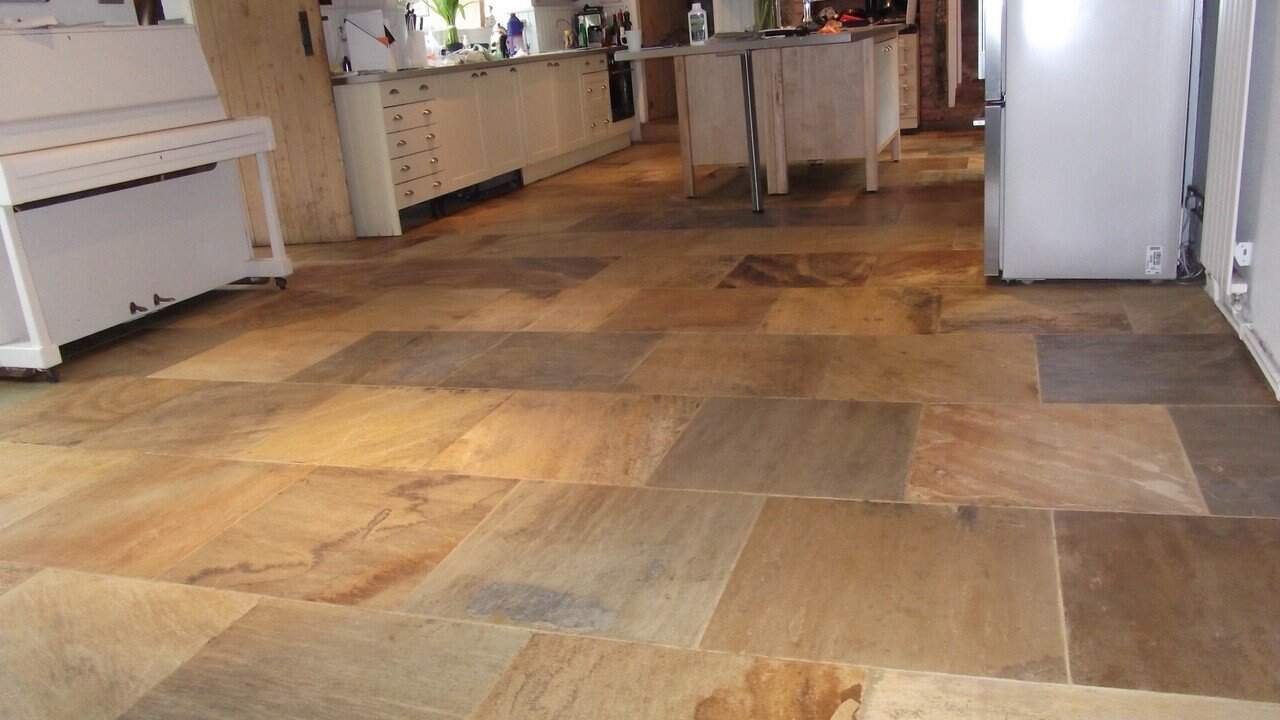
For a deeper insight into why porous stone exhibits these behaviours in UK homes, including valuable information on moisture movement, the limitations of sealers, and the reasons behind inconsistent cleaning results, you may find this overview particularly insightful: Sandstone Floor Cleaning and Restoration in UK Homes.
Why Does Cleaning Lose Its Effectiveness As Time Passes?
When consistent and careful cleaning does not yield visible improvements, it often signifies that the issues reside within the upper layers of the stone rather than solely on the surface. Fine contaminants can become embedded in the stone's texture, old coatings may be deteriorating, and moisture movement can significantly influence how the floor dries each day. At this juncture, merely increasing cleaning efforts does not address the underlying problems. Scrubbing harder or cleaning more frequently does not rectify the fundamental issues occurring within the stone itself.
This is frequently the critical moment at which seeking a specialist's evaluation becomes essential. The aim is not to achieve a drastic transformation but rather to acquire a clearer understanding of the situation, thereby restoring predictability to the floor’s response to routine care.
As this page does not provide specific product recommendations, the related guide explains how to ascertain whether a cleaner is suitable for porous stone and highlights which categories may cause issues: The Safest Products For Cleaning Sandstone.
Recommended Products for Effective Care of Porous Stone Floors
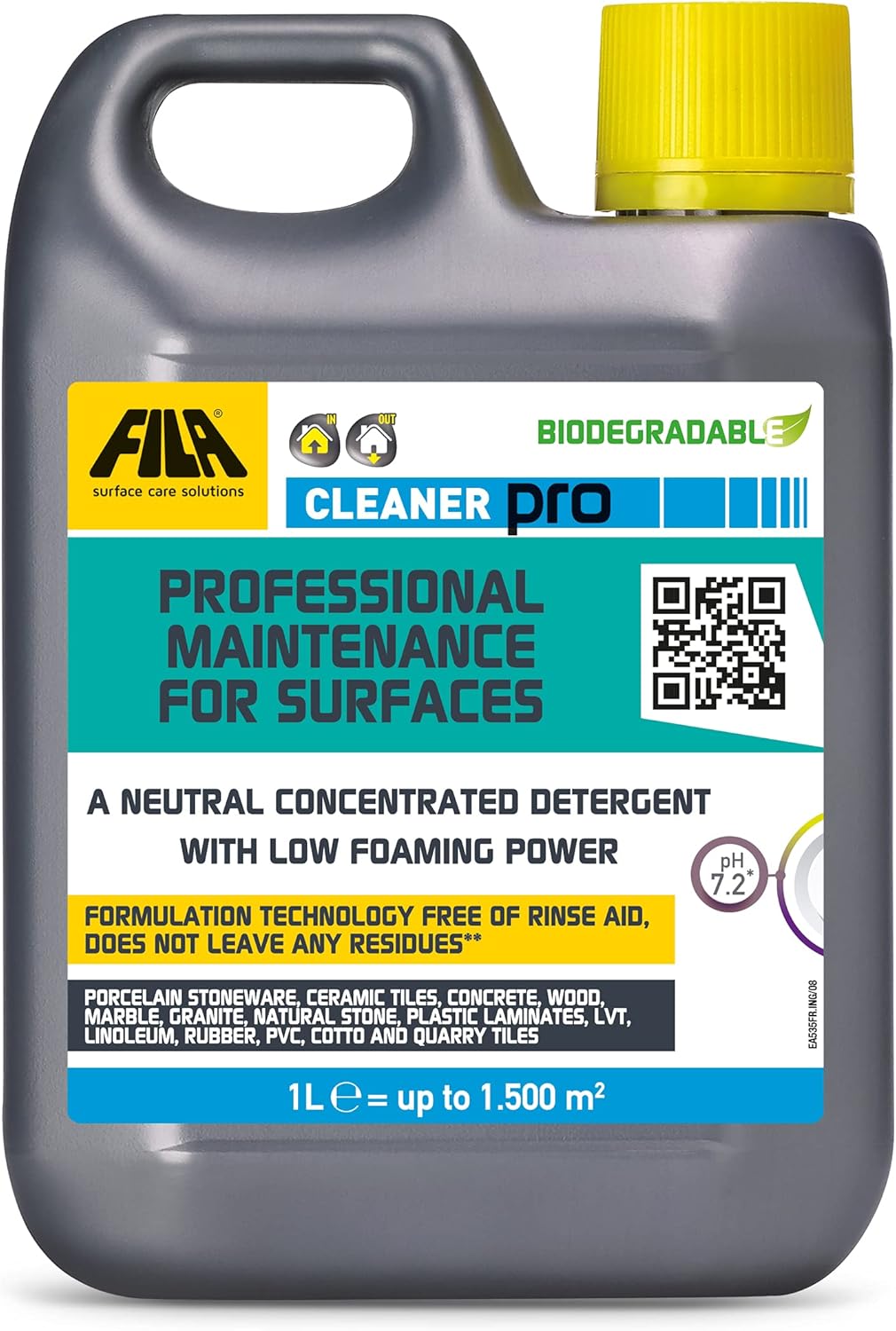
Fila Pro Floor Cleaner
|
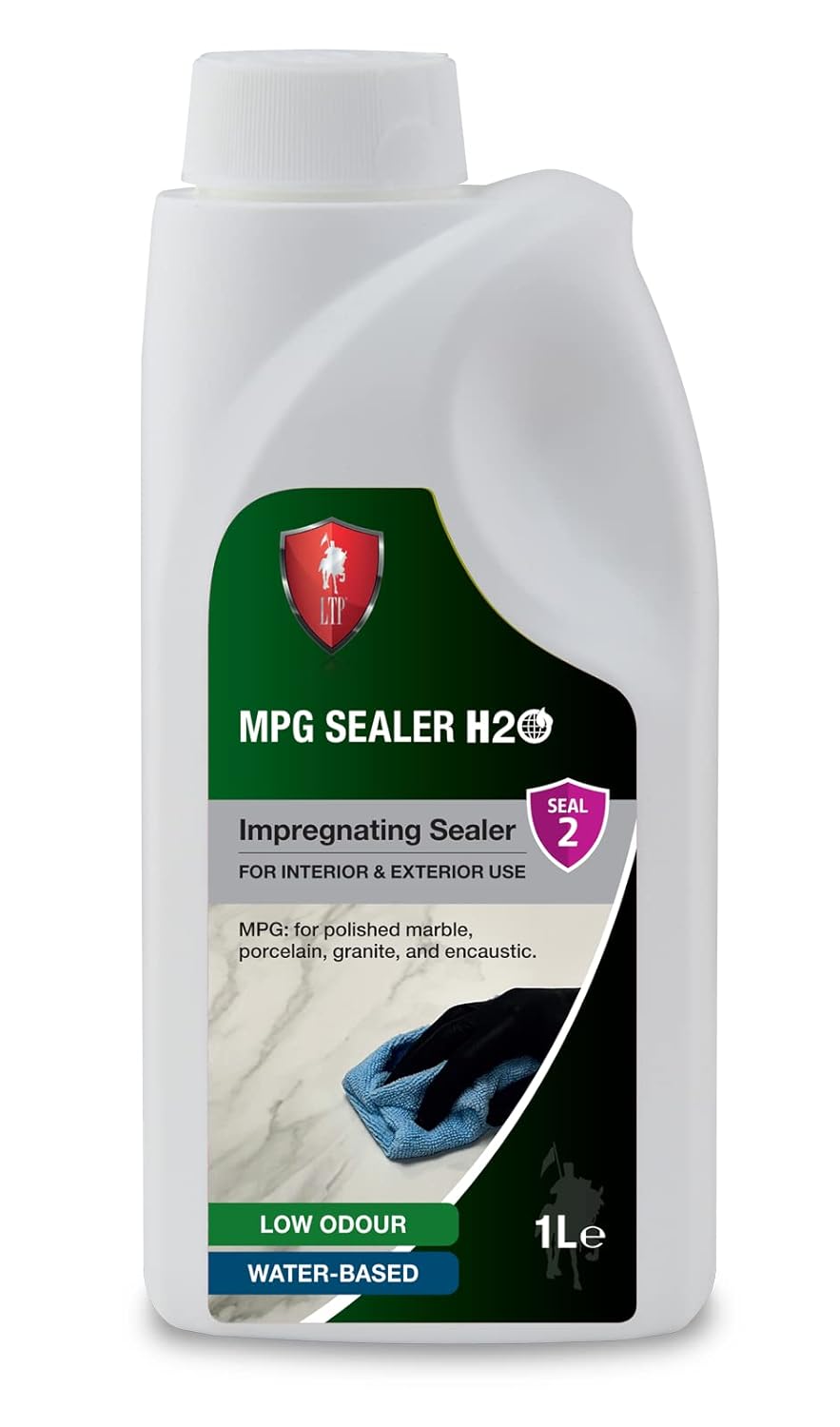
LTP MPG Sealer H20
|
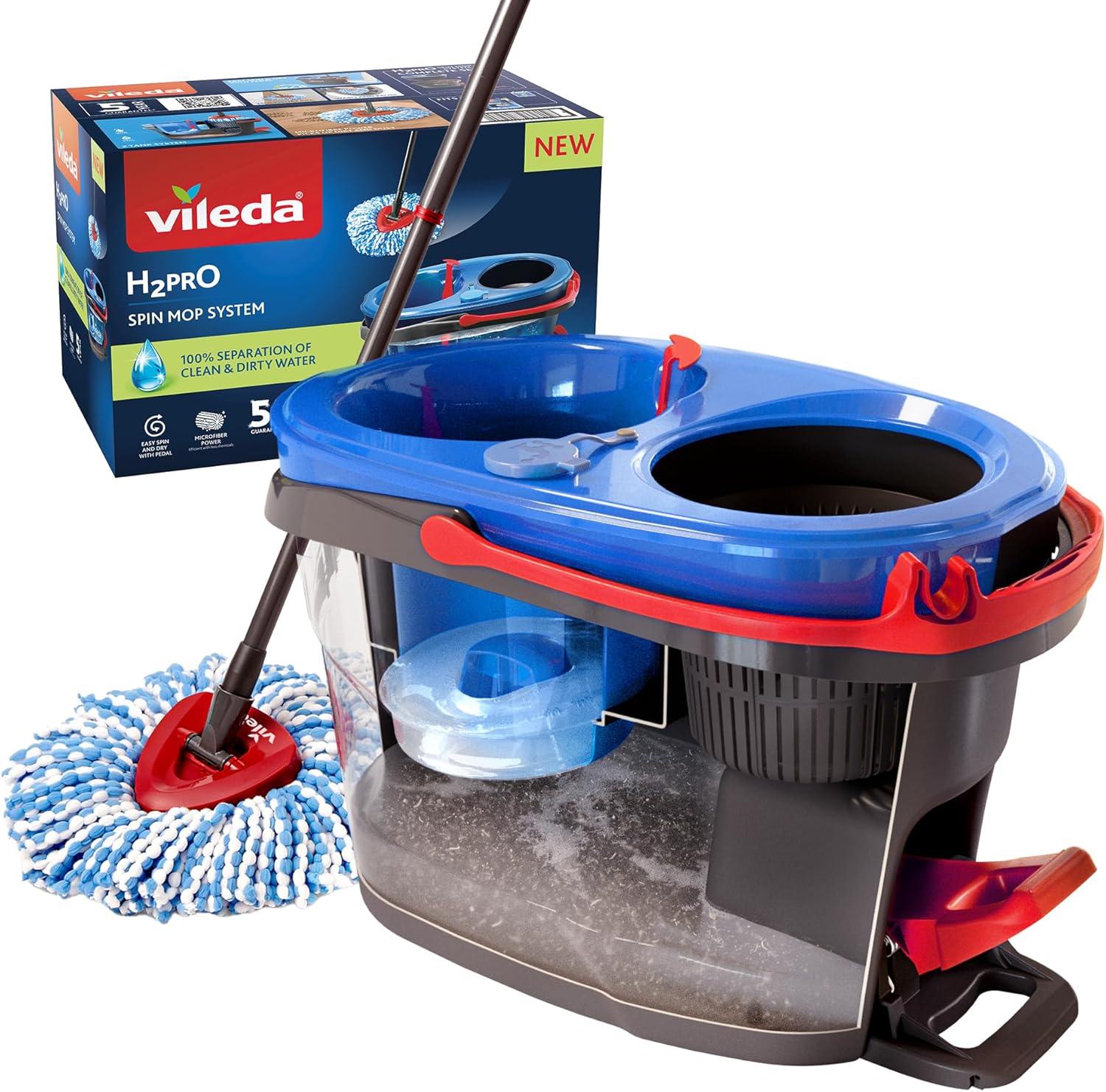
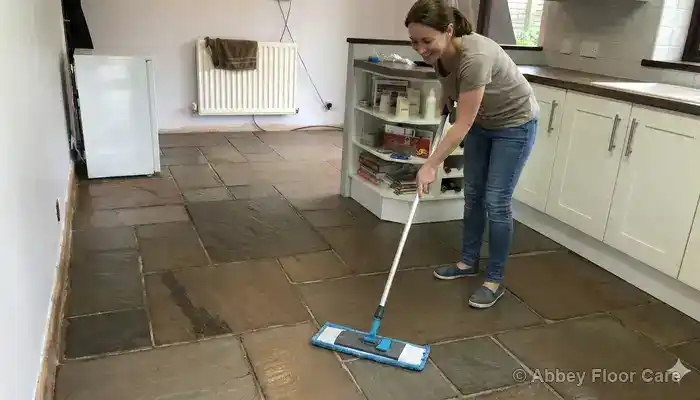
Vileda H2PrO Spin Mop System
|

David Allen is a UK natural stone and tile specialist with decades of experience in sandstone and flagstone flooring in residential homes. His expertise focuses on explaining the behaviour of textured stone during everyday use—addressing why indoor flagstone often appears dusty again after cleaning, identifying the limits of routine care, and interpreting the subtle signals the floor communicates over time.
The article “How to Clean Indoor Flagstone Floors (When They Always Look Dusty Again) ” was first published on https://www.abbeyfloorcare.co.uk
The Article Cleaning Indoor Flagstone Floors: Tips for a Lasting Shine appeared first on https://fabritec.org
The Article Flagstone Floor Cleaning Tips for a Lasting Shine Was Found On https://limitsofstrategy.com