Explore the Health Benefits and Key Features of Grain-Free Diets for Dogs
What Is Included in a Grain-Free Diet for Dogs?

A grain-free diet for dogs specifically eliminates common grains such as wheat, corn, and barley, choosing alternative carbohydrate sources that aim to promote optimal health in dogs. This dietary approach focuses on incorporating protein-rich ingredients and healthy fats, creating a comprehensive nutritional profile that not only boosts energy levels but also enhances the overall well-being of canines. Typically, these diets include high-quality animal proteins alongside a variety of vegetables, ensuring that dogs receive essential nutrients while limiting their exposure to potential allergens associated with grain consumption.
What Are the Key Nutritional Elements of Grain-Free Diets?
The composition of a grain-free diet is designed to highlight essential nutrients that substitute those traditionally acquired from grains, ensuring that dogs continue to thrive in terms of energy and overall health. This dietary framework often includes high-quality proteins, healthy fats, and fibre-rich vegetables, each playing a vital role in sustaining a balanced diet. Significant benefits of these diets include:
- Enhanced digestion through alternative carbohydrate sources
- Improved skin and coat health
- Increased energy levels and vitality
- Strengthened immune system response to allergens
Collectively, these components support the well-being of dogs with allergies, adopting a holistic perspective towards dietary management and overall health.
What Symptoms Suggest Food Allergies in Dogs?
Identifying the signs of food allergies in dogs is essential for effective intervention. Common symptoms may include persistent itching, skin irritations, gastrointestinal disturbances, and lethargy. These indicators can imply that a dog’s digestive system is reacting adversely to specific ingredients, particularly grains. Transitioning to a grain-free diet can greatly alleviate these issues, reduce symptoms, and pave the way for a healthier lifestyle for affected dogs by minimising their contact with common allergens.
What Benefits Are Associated with Grain-Free Diets for Dogs?
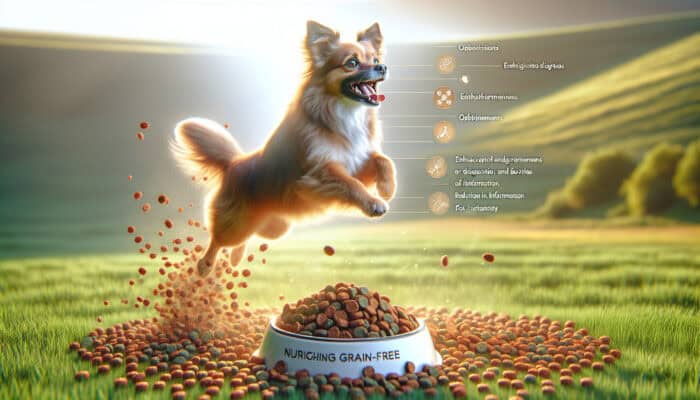
Grain-free diets offer a multitude of benefits, particularly for dogs suffering from allergies or sensitivities. Key advantages include improved digestion due to the absence of hard-to-digest grains, reduced inflammation from allergenic ingredients, and increased energy levels resulting from superior nutrition. Maintaining a balanced nutrient profile is crucial for long-term health and vitality, enabling dogs to thrive on a diet specifically tailored to meet their individual needs.
How Can You Effectively Transition Your Dog to a Grain-Free Diet?
Successfully transitioning your dog to a grain-free diet necessitates meticulous planning and a gradual approach to ensure a seamless shift. Begin by slowly introducing the new grain-free food into your dog's current diet, gradually increasing the proportion of the new food over a span of 1 to 2 weeks. During this adjustment period, it is crucial to closely monitor your dog for any adverse reactions, such as gastrointestinal upset or behavioural changes, to safeguard their health and prevent digestive issues that sudden dietary changes can often provoke.
Expert Insights on Grain-Free Diets for Dogs with Allergies
What Factors Should Be Considered When Choosing High-Quality Dietary Formulations?

Choosing high-quality grain-free dog food requires a comprehensive understanding of the ingredients and their origins. Look for formulations that prioritise animal proteins such as lamb, chicken, or fish, complemented by an array of vegetables or legumes as alternative carbohydrate sources. It is vital to ensure that the food is free from artificial additives and fillers, as these can exacerbate sensitivities. Consulting with a veterinarian or a canine nutrition expert can significantly enhance your selection process, especially for dogs with specific dietary sensitivities.
What Long-Term Health Benefits Can Grain-Free Diets Provide for Dogs?
The long-term advantages of grain-free diets for dogs with allergies can lead to remarkable improvements in their overall health. Research has indicated that many dogs experience enhanced immune responses, resulting in fewer allergy flare-ups and improved skin conditions. Moreover, these diets can support maintaining a healthy weight, bolster digestive health, and elevate energy levels, collectively fostering a vibrant and active lifestyle for dogs over time.
How Can You Efficiently Monitor Progress While Using Grain-Free Diets?
Monitoring your dog's progress on a grain-free diet involves keeping a detailed record of their symptoms and overall behaviour. Maintaining a journal to document any changes, such as reduced itching, improved coat quality, or increased energy levels, can be extremely beneficial. Real-world examples may provide insights, illustrating how specific dietary adjustments, such as changing protein sources or adding supplements, have led to significant improvements in the health and comfort of dogs with allergies.
What Distinctions Exist Between Grain-Free Diets and Traditional Diets?
When comparing grain-free diets with traditional grain-inclusive options for dogs with allergies, a clear advantage emerges in effectively managing allergy symptoms. Grain-free diets often provide superior control over allergic reactions by avoiding known triggers. While grain-inclusive diets may seem more economical and accessible, they frequently lack the same health advantages, particularly for sensitive dogs. It is essential to factor in considerations such as cost and availability when making dietary decisions to ensure optimal care for your pet.
How Do Grain-Free Diets Improve the Quality of Life for Allergic Dogs?
What Are the Core Advantages of Adopting Grain-Free Diets?
The primary benefits of grain-free diets focus on minimising irritation from potential allergens, which ultimately leads to enhanced skin and gut health over time. By eliminating grains that may trigger allergic reactions, dogs commonly experience reduced itching, inflammation, and digestive issues. This dietary approach acts as an effective management tool, significantly improving the quality of life for dogs suffering from allergies.
What Misunderstandings Are Commonly Associated with Grain-Free Diets?
Common misconceptions regarding grain-free diets often centre around scepticism about their efficacy and safety. Some may question whether the removal of grains genuinely impacts allergy symptoms. However, substantial evidence supports that these diets can lead to significant health improvements in dogs, particularly for sensitive individuals. A balanced perspective acknowledges that while grain-free diets may not be the solution for every dog, they undoubtedly provide considerable benefits for many dogs with allergies.
How Can You Successfully Integrate Grain-Free Diets into Daily Routines?
Incorporating grain-free diets into your dog's daily routine requires thoughtful meal planning to maximise their benefits. Ensuring variety in meals can keep your dog engaged and satisfied. Preparation strategies include:
- Rotating protein sources to avoid dietary monotony
- Incorporating a diverse range of vegetables for added nutrients
- Using high-quality treats that align with the grain-free philosophy
- Carefully monitoring portion sizes to prevent overfeeding
Implementing these strategies helps maintain interest in meals while effectively ensuring that your dog's dietary needs are comprehensively met.
Research-Based Benefits of Grain-Free Diets
How Do Grain-Free Diets Enhance Immune Function?
Grain-free diets have demonstrated the ability to strengthen immune function by providing high-quality proteins and essential nutrients that improve overall health. These dietary modifications empower dogs to better defend against allergens, reducing the severity of allergic reactions and enhancing their resilience to environmental triggers. Achieving the correct balance of nutrients can significantly fortify the immune response, enabling dogs to enjoy an improved quality of life.
What Positive Effects Do Grain-Free Diets Have on Skin and Coat Health?
Noticing improvements in skin and coat health can be immensely rewarding for pet owners transitioning their dogs to grain-free diets. Key actionable steps include monitoring the condition of your dog's fur and skin for signs of progress, such as reduced dryness or flakiness. Prioritising nutrient-dense ingredients, particularly those rich in <a href="https://elgatoencasa.com/omega-3-sources-for-shiny-pet-coats-top-choices/">omega fatty acids</a>, can enhance fur quality and contribute to a shiny coat, further showcasing the myriad benefits of the grain-free approach.
What Overall Wellness Improvements Can Be Anticipated?
The overall wellness enhancements associated with grain-free diets are substantial, especially concerning energy levels and vitality. Dogs consuming these diets frequently exhibit increased playfulness and enthusiasm, indicative of enhanced health. Emphasising nutrient-dense foods elevates energy levels, facilitating an active lifestyle that promotes both physical and mental well-being.
What Common Ingredients Are Found in Grain-Free Diets?
What Safe Protein Sources Should Be Included?
When selecting grain-free diets, it is essential to incorporate safe protein sources such as beef, chicken, fish, and lamb to minimise allergic reactions while ensuring adequate nutrition. These proteins supply essential amino acids necessary for muscle development and overall health. Choosing high-quality, single-source proteins is crucial for sensitive dogs, as this helps mitigate the risk of food-related issues and fosters digestive well-being.
Why Are Vegetable-Based Ingredients Critical for Nutritional Balance?
Vegetable-based ingredients play a crucial role in grain-free diets, providing both diversity and essential nutrients. Including vegetables like sweet potatoes, peas, and carrots contributes to a balanced feeding strategy. The following versatile options can significantly enhance dietary diversity:
- Sweet potatoes for fibre and vitamins
- Green peas for protein and minerals
- Carrots for beta-carotene and antioxidants
- Pumpkin for digestive health
Incorporating these ingredients ensures that dogs receive a comprehensive diet that effectively supports their overall health and wellness.
What Additives and Supplements Should Be Avoided in Grain-Free Diets?
Being aware of potential irritants in grain-free diets is crucial for achieving optimal results. Certain additives and supplements, such as artificial preservatives, colours, and fillers, can trigger allergies and sensitivities. It is vital to thoroughly read labels and avoid products containing these ingredients to ensure your dog's diet remains healthy and effective in managing allergic reactions.
Why Opt for Grain-Free Diets for Your Allergic Dog?
How Can You Assess the Suitability of a Grain-Free Diet?
Evaluating the appropriateness of a grain-free diet for your dog involves observing their individual responses to dietary changes. Noting any signs of allergies, such as skin irritations or digestive issues, can significantly inform decisions regarding dietary adjustments. Implementing a trial period on a grain-free diet may reveal improvements in your dog's health and comfort, ultimately helping you determine whether it is a suitable choice for them.
What Function Do Grain-Free Diets Serve in Allergy Management?
Grain-free diets play a vital role in allergy management by targeting specific sensitivities in dogs. These diets assist in eliminating common allergens from their nutrition, promoting long-term comfort and health as dogs adapt to a more fitting dietary framework. By focusing on high-quality ingredients, owners can create a more supportive environment for their pets.
How Can You Transition to a Grain-Free Diet Without Disruption?
To ensure minimal stress when transitioning to a grain-free diet, it is essential to adopt a structured approach. Gradually introducing the new food over several days allows dogs to adjust without experiencing sudden digestive disturbances. Consistent feeding schedules and vigilant monitoring for any adverse reactions contribute to a smoother transition process.
What Nutritional Benefits Are Offered by Grain-Free Diets?
Grain-free diets provide a multitude of nutritional advantages, featuring higher-quality proteins and alternative carbohydrates that enhance digestion and nutrient absorption. These diets improve energy levels and coat health in allergic dogs, offering a more comprehensive approach to their dietary management and overall well-being.
What Potential Risks Should Be Acknowledged, and How Can They Be Addressed?
While grain-free diets can deliver significant benefits, they may also pose potential risks, such as heart disease in certain breeds if not properly balanced. It is crucial to consult with a veterinarian to ensure that the diet encompasses all necessary nutrients and to closely monitor your dog's health. Addressing any deficiencies through supplementation or dietary adjustments can help mitigate risks and ensure a healthy, balanced diet for your dog.
Effective Strategies for Implementing Grain-Free Diets
How to Develop a Custom Meal Plan for Your Dog?
Creating a personalised meal plan for your dog on a grain-free diet involves tailoring options to meet their specific needs. Evaluating individual dietary preferences and sensitivities can significantly enhance the effectiveness of allergy management. Consulting with a veterinary nutritionist can provide valuable insights into optimal ingredient combinations, ensuring a well-balanced nutritional profile that effectively supports your dog's health.
How Does Meal Variety Help Prevent Boredom in Dogs?
Incorporating variety into your dog's meal plan is essential for preventing boredom. Offering diverse protein sources and rotating vegetables keeps meals interesting and engaging. Employing various cooking methods, such as baking or mixing foods, can enhance flavour and texture, making meals more appealing while supporting consistent nutritional intake.
What Techniques Can Be Utilised for Assessing Dietary Success Over Time?
Evaluating dietary success over time involves tracking indicators of improvement, such as reduced allergy symptoms or changes in energy levels. Regular check-ins on your dog's health, including consultations with a veterinarian, can provide valuable feedback regarding the effectiveness of the grain-free diet. Adjustments based on observed changes will ensure your dog's dietary needs are consistently met.
What Risks May Be Associated with Grain-Free Diets?
What Potential Drawbacks Should You Be Aware Of?
Potential drawbacks of grain-free diets include nutrient deficiencies if not carefully balanced. It is imperative to ensure that all dietary needs are adequately met through a diverse range of ingredients. Addressing these concerns through consultation with professionals can help mitigate risks and promote a healthy dietary approach for dogs with allergies.
How Can You Effectively Address Nutritional Gaps?
Balancing nutritional gaps in a grain-free diet involves incorporating a variety of ingredients that provide essential vitamins and minerals. Adding supplements or selecting high-quality, nutrient-dense foods can help fill in the gaps and ensure comprehensive care. Regular assessments of your dog's health can guide necessary adjustments to maintain optimal nutrition.
What Signs Indicate That Dietary Adjustments May Be Required?
Monitoring for signs that dietary adjustments are necessary is vital for maintaining your dog's well-being. Symptoms such as renewed itching, gastrointestinal disturbances, or weight fluctuations may suggest that the diet needs reevaluation. Early detection of these issues enables timely interventions, ensuring your dog's health remains a top priority.
Guidelines for Transitioning to Grain-Free Diets
What Gradual Introduction Methods Should Be Utilised?
Implementing gradual introduction methods during the transition to a grain-free diet is crucial for easing the process for dogs. Start by blending small amounts of the new food with the current diet, gradually increasing the ratio of the new food over several days. This method minimises the risk of digestive discomfort and enables dogs to adjust more smoothly to their new dietary regimen.
How Can You Ensure Consistency in Feeding Schedules?
Maintaining consistency in feeding schedules is essential for supporting adherence to a grain-free diet. Regular mealtimes help establish routines, providing structure to your dog's day and promoting steady health improvements. Consistency also aids in tracking changes in your dog's behaviour or health, allowing for timely adjustments to their diet as needed.
What Long-Term Maintenance Strategies Should Be Implemented?
To sustain the benefits of a grain-free diet, it is crucial to adapt as your dog's needs evolve. Long-term maintenance strategies may include regular evaluations of health indicators and dietary preferences to ensure the diet continues to be effective. By remaining attentive to your dog's reactions and adjusting their meals accordingly, owners can ensure ongoing success on a grain-free regimen.
How to Identify Nutritious Grain-Free Alternatives?
Selecting nutritious grain-free alternatives involves exploring options such as vegetables, nuts, and seeds to effectively replace grains. Prioritise high-quality, whole-food ingredients that contribute to a balanced nutrient profile. Tips on label reading and portion control are vital to preventing deficiencies and supporting overall health during the transition, ensuring that your dog receives optimal nutrition.
Frequently Asked Questions (FAQs)
What Defines a Grain-Free Diet for Dogs?
A grain-free diet for dogs excludes grains such as wheat, corn, and barley, concentrating instead on alternative carbohydrates and high-quality proteins to support health, particularly for those with food allergies or sensitivities.
How Can I Determine if My Dog Suffers from a Food Allergy?
Signs of food allergies in dogs typically include itching, skin irritations, gastrointestinal distress, and lethargy. Carefully observing these symptoms can help ascertain if a dietary change is necessary for your dog's health.
What Benefits Do Grain-Free Diets Provide for Dogs?
Grain-free diets can notably enhance digestion, reduce inflammation, increase energy levels, and improve skin and coat health, making them particularly advantageous for dogs with allergies or sensitivities.
What Steps Should I Take to Transition My Dog to a Grain-Free Diet?
Transition your dog gradually by incorporating the new grain-free food into their existing diet over a week, while closely monitoring for any adverse reactions to ensure a smooth, healthy transition.
Can Grain-Free Diets Result in Health Problems?
While grain-free diets can be beneficial, they may lead to potential health concerns, such as nutrient deficiencies or heart disease, if not properly balanced. Consulting a veterinarian for guidance on your dog's diet is advisable.
What Protein Sources Are Recommended in Grain-Free Diets?
Recommended protein sources in grain-free diets include high-quality meats like chicken, beef, fish, and lamb, which provide essential nutrients while minimising allergic reactions.
How Can I Assess the Effectiveness of a Grain-Free Diet for My Dog?
You can evaluate the effectiveness of a grain-free diet by monitoring your dog's symptoms, energy levels, and overall health, noting any positive changes over time.
Are There Any Risks Associated with Grain-Free Diets?
Yes, potential risks include nutrient deficiencies and certain health issues if the diet is not well-balanced. Ongoing consultations with a veterinarian are essential for effectively managing these risks.
What Should I Avoid When Choosing Grain-Free Dog Food?
Avoid grain-free dog foods that contain artificial additives, preservatives, or fillers, as these can exacerbate allergies and sensitivities in dogs, compromising their health.
Can I Combine Grain-Free Food with Regular Food for My Dog?
Yes, mixing grain-free food with regular food can help ease the transition, but it is crucial to do so gradually to prevent digestive upset. Monitor your dog's reactions closely throughout this process.
Join Our Community on Facebook Today!
The Article Grain-Free Diets for Allergic Dogs: Essential Guide for Health First Published On https://elgatoencasa.com
The Article Grain-Free Diets: A Vital Guide for Allergic Dogs’ Health Was Found On https://limitsofstrategy.com
The Article Grain-Free Diets for Enhancing Allergic Dogs’ Health found first on https://electroquench.com