Discover Comprehensive Insights on PPE Masks and Visors Available in the UK
What Are the Key Materials Utilised in PPE Masks Across the UK?
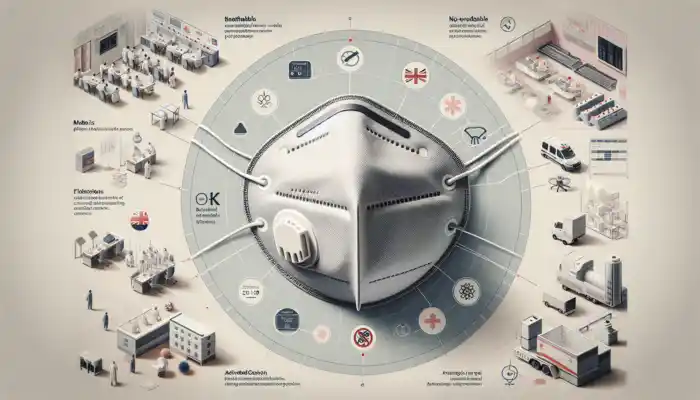
In the UK, PPE masks and visors are crafted from a diverse array of materials, each selected for its unique properties tailored to meet various environmental conditions and user needs. One of the most prevalent materials is nonwoven polypropylene, celebrated for its outstanding filtration capabilities and breathability, which significantly enhances user comfort during extended usage. Furthermore, several masks incorporate activated carbon layers that provide additional safeguards against unpleasant odours and dangerous airborne particles. Adhering to British standards, including EN 149 for filtering half masks, ensures that these materials undergo thorough testing to confirm their durability and safety against a spectrum of risks. This compliance makes them suitable for a variety of sectors, including healthcare and construction, guaranteeing effective protection across diverse working environments.
Essential Design Features for High-Performance Visors
High-performance visors in the UK are meticulously engineered to meet stringent safety criteria that guarantee optimal protection for users. Among the key features mandated by UK regulations is fog resistance, which is vital for maintaining visibility in critical environments such as healthcare and industrial settings. A secure fit around the forehead and chin is equally essential, as it prevents exposure to harmful contaminants. The materials used in the visor must also be scratch-resistant and provide an uninterrupted field of vision, complying with local safety standards that enable users to perform their duties efficiently without obstruction. These design principles not only enhance overall performance but also significantly reduce risks associated with workplace hazards, creating a safer environment for all employees involved.
How to Choose the Right PPE for Your Workplace in the UK?
Choosing the appropriate PPE for workplaces in the UK necessitates a thorough understanding of the specific hazards present within the environment. Important criteria to consider include:
- User comfort: It is crucial that the PPE can be worn for long durations without causing discomfort or distraction to the wearer.
- Compatibility: Ensure that the PPE integrates seamlessly with existing safety equipment, such as helmets or goggles, to provide comprehensive protection.
- Compliance: Adhering to UK regulatory standards is vital to ensure adequate protection against identified workplace hazards, effectively safeguarding employees.
- Ease of maintenance: Consider the cleaning and maintenance protocols necessary to prolong the lifespan of the PPE, ensuring it remains effective over time.
By placing a priority on these factors, employers can guarantee that the selected PPE meets compliance requirements while significantly enhancing the safety and efficiency of their workforce, resulting in a more productive and secure working environment.
Exploring Different Types of PPE Masks and Visors Available in the UK

What Standard Mask Varieties Are Commonly Found in the UK?
In the UK, the standard varieties of masks include disposable surgical masks and fabric face coverings. Disposable masks are widely used in numerous public and healthcare settings, providing a fundamental level of protection against respiratory droplets and airborne particles. Compliance with national health guidelines ensures these masks are effective for general use, particularly during health emergencies. Conversely, fabric masks offer a more sustainable alternative, allowing for custom designs while ensuring they meet essential filtration standards. The selection of suitable masks should align with specific usage contexts, guaranteeing they are fit for purpose and effectively mitigate associated risks across various scenarios.
What Advanced Visor Options Are Available for UK Industries?
Advanced visor options are specifically tailored for UK industries, presenting specialised features that cater to high-risk environments, such as those encountered by emergency services and manufacturing sectors. These visors often incorporate anti-fog coatings and enhanced impact resistance, ensuring compliance with UK regulatory standards. For instance, firefighter visors are designed from materials that can withstand extreme heat, significantly enhancing user safety during critical operations. By integrating these advanced visors, employers can ensure their workforce is adequately protected against occupational hazards, cultivating a culture of safety across various industries and work environments.
How to Customise PPE Masks and Visors in the UK?

Customisation of PPE masks and visors in the UK is crucial for addressing individual user requirements while ensuring adherence to regulatory standards. Effective strategies for adapting PPE include conducting thorough user assessments to pinpoint specific needs, selecting adjustable components to enhance fit and comfort, and ensuring compliance with relevant safety standards during modifications. Employers can collaborate with PPE suppliers to develop tailored solutions that improve user safety and comfort while maintaining protective capabilities. Such adaptability guarantees that PPE remains effective across diverse job roles, accommodating the unique demands of various workplaces and enhancing overall safety.
What Factors Determine the Suitability of PPE Masks?
What Key Elements Influence Mask Fit in the UK?
Determining the suitability of PPE masks revolves around several critical factors that affect fit, which is essential for effective protection. Vital tests, such as seal checks and user trials, are performed to ensure that masks conform to UK standards for proper fit. A fit test should confirm that no air leaks occur around the edges during normal movement, thus guaranteeing maximum protection. Continuous assessments are paramount, particularly when masks are worn for extended durations or in high-risk settings. Ensuring a proper fit not only enhances user comfort but also maximises the mask’s protective capabilities, thereby meeting the stringent requirements set out in UK regulations and safeguarding the user's health.
How to Assess Visor Clarity for Effective Use in the UK?
The clarity of visors is crucial for maintaining safety during various tasks, particularly in sectors such as healthcare and construction. Assessments should focus on evaluating the visor’s optical quality in relation to UK visibility needs, determining whether it meets the necessary standards for safe operation. A clear, distortion-free visor is essential as it allows users to perform intricate tasks without visual obstructions. Adherence to UK standards for optical clarity is vital in safeguarding against accidents that may arise from compromised vision. Regular inspections and maintenance of these visors are recommended to sustain clarity and ensure they remain fit for purpose, particularly in high-stakes environments.
Why is Compatibility with Other UK Safety Gear Important?
The compatibility of masks and visors with other safety equipment is essential to ensure comprehensive protection in UK workplaces. Masks must seamlessly integrate with helmets, goggles, and other PPE to avoid compromising overall safety. Guidance on achieving this compatibility includes selecting masks specifically designed to work in conjunction with particular helmet types, ensuring that straps do not interfere with the helmet’s fit. Similarly, visors should be compatible with eyewear to prevent gaps that could expose workers to potential hazards. By concentrating on compatibility, employers can establish a holistic safety strategy that adheres to workplace regulations, ultimately enhancing the overall safety and effectiveness of their protective equipment.
Insights from Experts on PPE Masks and Visors: Suitability and Regulatory Compliance

What Do Experts Say About Mask Performance in the UK?
Real-world examples drawn from UK studies underscore the significance of evaluating mask performance to ensure compliance with regulatory requirements. Research has demonstrated that specific surgical mask models provide superior filtration efficacy, which is crucial for frontline workers in high-risk environments. When selecting masks, it is essential to consider aspects such as breathability and user comfort, as prolonged use can impact overall effectiveness. Actionable steps include consulting with suppliers for data on mask performance under defined conditions and ensuring that selected models align with the latest guidelines from health authorities, thereby maximising user protection and safety.
What Should You Know About Regulatory Compliance for Visors?
Navigating the complexities of visor standards in the UK requires a thorough understanding of regulatory compliance. The first step is to ensure that visors are certified in accordance with national guidelines, which mandate rigorous testing for impact resistance and clarity. Regular inspections are critical to maintaining compliance; these should be scheduled at defined intervals to identify any wear and tear that may compromise safety. Moreover, engaging with professional organisations can provide valuable insights into best practices for maintaining visor efficacy and ensuring regulatory compliance, ultimately enhancing user safety across various sectors and guaranteeing compliance with existing standards.
How to Implement Advanced Suitability Testing Methods for PPE?
Understanding advanced suitability testing methods for PPE is vital in the UK to ensure ongoing compliance with regulatory requirements. UK-approved testing protocols focus on evaluating factors such as filtration efficiency, breathability, and resistance to liquid penetration. Regular audits of PPE performance against these protocols help identify any deficiencies and ensure that the equipment continues to deliver effective protection. Engaging in continuous education regarding emerging testing methods enhances users’ ability to select suitable PPE that meets or exceeds current regulations, thus supporting a proactive approach to workplace safety and effectively protecting the workforce.
What Are the Core Regulatory Requirements for PPE in the UK?
What are the Fundamental UK Laws Governing PPE Masks?
In the UK, the principal legislation governing PPE masks is the Personal Protective Equipment at Work Regulations 1992. This regulation delineates critical requirements for masks, ensuring their suitability for intended use, particularly in sectors such as healthcare, where contamination risks are considerably heightened. Employers bear the responsibility of selecting appropriate masks that conform to these regulations, highlighting the necessity for thorough risk assessments to ascertain specific needs. Adhering to these laws not only safeguards workers but also mitigates legal liabilities associated with non-compliance, thereby fostering a safer working environment for all.
What Standards Must Be Met for Visor Certification in the UK?
Visor certification standards in the UK are essential for ensuring safety and efficacy across various applications. Compliance with EN 166, the standard for personal eye protection, mandates rigorous testing for factors such as impact resistance, optical quality, and durability. Manufacturers must demonstrate that their visors meet these benchmarks prior to marketing them for workplace use. Regular audits and updates to these standards are vital to guarantee that visors remain effective against evolving hazards, thereby protecting users in high-risk environments and ensuring adherence to health and safety regulations.
What Are the Penalties for Non-Compliance with UK PPE Regulations?
Failure to comply with PPE regulations in the UK can lead to substantial penalties, which may include:
- Fines for non-compliance with established safety standards.
- Legal action arising from workplace injuries linked to inadequate PPE provisions.
- Increased insurance premiums due to recognised safety violations and non-compliance.
- Potential criminal charges against employers for gross negligence in ensuring worker safety.
Prioritising regulatory compliance is crucial for employers to protect their workforce and avoid the detrimental consequences of non-compliance, thereby ensuring a safer working environment for all employees.
What Standards Govern Protective Gloves in the UK?
Protective gloves in the UK must adhere to key regulations that dictate their material strength, chemical resistance, and ergonomic design. These standards are vital for safeguarding workers, particularly in sectors such as manufacturing and healthcare, where exposure to hazardous substances is prevalent. Compliance with EN 420 and EN 374 ensures that gloves provide the requisite protection while also maintaining user comfort and dexterity. Regular assessments and updates to glove standards help ensure ongoing compliance, thereby enhancing worker safety across a range of industries and reducing the risk of accidents.
Research-Backed Advantages of PPE Masks and Visors: Suitability and Regulatory Compliance
What Evidence Supports the Suitability of PPE for UK Health Workers?
A wealth of studies has underscored the advantages of PPE masks for UK health workers, emphasising their critical role in infection control. Research indicates that the utilisation of high-quality masks significantly reduces the risk of airborne transmission, particularly during procedures that generate aerosols. Real-world examples include hospitals that have adopted specific mask types, resulting in decreased infection rates among healthcare personnel. Regulatory compliance bolsters these protective measures, ensuring that masks are not only effective but also meet the standards stipulated by health authorities, thereby safeguarding the health of both workers and patients.
What Are the Benefits of Visors in Educational Environments in the UK?
In educational settings, the deployment of visors offers distinct advantages, particularly in maintaining safety during teaching activities. Research indicates that visors can effectively diminish the transmission of respiratory droplets while facilitating clear communication, which is crucial in classroom settings. Compliance with national safety mandates is imperative, as many schools have incorporated visors into their safety protocols. Continuous assessment of visor effectiveness in educational environments underscores the importance of adhering to regulatory requirements to ensure the safety of both staff and students, thereby fostering a secure learning atmosphere.
What Long-Term Benefits Arise from Proper Regulation of PPE?
Effective regulation of PPE in the UK yields long-term benefits that extend beyond immediate safety concerns. By adhering to established standards, employers can cultivate a culture of safety that diminishes workplace accidents and injuries. Ongoing training and education regarding PPE compliance ensure that workers remain informed about best practices, contributing to a sustainable safety strategy. Actionable steps include regularly reviewing PPE policies and engaging with regulatory bodies to stay updated on any changes, thereby maintaining compliance and enhancing the overall effectiveness of workplace safety measures.
How Do Regulations Influence PPE Suitability?
How Recent UK Updates Have Impacted Mask Design?
Recent updates to UK regulations have profoundly affected mask design, particularly concerning filtration efficiency and user comfort. Regulatory authorities have reacted to health crises by mandating enhancements in mask materials, prompting manufacturers to innovate and improve protective features. For instance, current regulations encourage the use of multi-layer designs that enhance filtration without compromising breathability. Such modifications ensure that masks remain suitable for prolonged use, align with the evolving needs of various sectors, and effectively address public health concerns.
What Are the Regulatory Effects on Visor Durability?
The UK regulatory framework plays a crucial role in enhancing visor durability. Updated standards have urged manufacturers to utilise superior quality materials capable of withstanding regular use, ensuring that visors remain effective over time. Compliance with these standards is vital to guarantee that visors can endure the conditions typical in high-risk environments, such as construction sites or healthcare facilities. By prioritising durability through regulatory compliance, employers can significantly improve the suitability of visors for daily use, contributing to long-term safety and protection for workers across various industries.
How to Balance Cost and Compliance in the UK?
Achieving regulatory compliance without sacrificing PPE suitability necessitates careful planning and resource allocation. Key strategies to facilitate this balance include:
- Investing in bulk purchases to reduce costs while ensuring quality compliance with safety standards.
- Conducting regular training sessions to educate staff on PPE selection, usage, and maintenance.
- Utilising government resources or subsidies available for safety equipment to alleviate financial burdens.
- Engaging with reputable suppliers who prioritise compliance in their offerings, ensuring the highest safety standards for PPE.
By concentrating on these strategies, employers can maintain an effective balance between cost management and adherence to safety regulations, ultimately enhancing overall workplace safety and ensuring the well-being of their workforce.
Guidelines for Maintenance and Disposal of PPE in the UK
What Are the Routine Cleaning Protocols for PPE Masks?
Implementing robust cleaning protocols for PPE masks is essential to ensure their ongoing suitability in the UK. Masks must be routinely disinfected following environmental guidelines to prevent cross-contamination. Recommended methods include using alcohol-based sanitising solutions or washing fabric masks at elevated temperatures to effectively eliminate pathogens. Consistent maintenance not only extends the lifespan of the masks but also protects users’ health, ensuring they remain effective at shielding against airborne hazards and lowering the risk of infection across various environments.
What Are the Proper Disposal Methods for Visors in the UK?
Proper disposal of visors is critical to comply with UK waste regulations and avert environmental hazards. Eco-friendly disposal methods include recycling plastic components whenever feasible and ensuring that contaminated visors are disposed of in designated hazardous-waste bins. Employers should establish clear disposal protocols to instruct staff on safe practices that mitigate environmental impact while adhering to local regulations. By prioritising proper disposal, organisations can contribute to sustainability efforts while maintaining regulatory compliance, thus promoting a cleaner, safer environment.
How to Ensure Proper Storage for PPE Longevity?
To maintain the suitability of masks and visors, implementing proper storage solutions is paramount. PPE should be stored in cool, dry environments, away from direct sunlight and potential contaminants to prevent degradation. Utilising clearly labelled containers can aid in organising PPE effectively, ensuring easy access while maintaining cleanliness and order. Furthermore, conducting regular inventory checks can help identify items that require replacement before they become unsuitable for use. By adhering to these storage guidelines, organisations can prolong the lifespan of their PPE, ensuring it remains effective and ready for use when necessary.
Why Are PPE Inspection and Maintenance Schedules Important?
Regular inspections of PPE, including masks and visors, are vital for identifying any damage early and ensuring compliance with UK health and safety regulations, such as those outlined by the HSE. Establishing a comprehensive maintenance schedule that includes visual checks for wear and tear and functional assessments contributes to ongoing effectiveness and user safety. Documenting these inspections is essential to demonstrate compliance and enhance accountability within the organisation. By prioritising inspection schedules, employers can uphold high safety standards and ensure their workforce remains protected from workplace hazards.
What Future Trends Are Emerging in PPE Regulations in the UK?
What Innovations Are Shaping the Future of Mask Technology?
The landscape of mask technology in the UK is rapidly evolving, with emerging trends focused on enhancing suitability and compliance with regulatory frameworks. Innovations such as smart masks equipped with sensors to monitor air quality and filter efficiency are gaining momentum. These advancements not only bolster user safety but also align with the increasing demand for data-driven solutions in health and safety practices. As regulations adapt to accommodate these new technologies, stakeholders must remain informed to ensure that new products meet established standards and provide the requisite protection for users.
How Are Visor Standards Evolving in the UK?
Future regulations are likely to significantly shape the development of visors, with an emphasis on enhancements that improve user protection across diverse settings. Anticipated changes may include stricter standards for impact resistance and the introduction of new materials that enhance clarity and durability. Manufacturers will need to adapt swiftly to these evolving standards to maintain compliance and ensure that their products remain suitable for a wide array of applications. Staying informed about these changes is crucial for all stakeholders to ensure ongoing workplace safety and compliance, ultimately protecting the workforce more effectively.
What Potential Changes to PPE Compliance Rules Should We Expect?
Anticipated shifts in UK laws concerning PPE compliance could significantly influence the overall suitability of masks and visors. As public health priorities evolve, regulatory bodies may update existing standards, necessitating manufacturers to enhance product efficacy and safety. Stakeholders should prepare for potential changes by engaging in continuous education on compliance requirements and investing in adaptive solutions that align with future regulations. This proactive approach will assist in ensuring that PPE remains not only compliant but also effective in safeguarding the workforce against emerging risks and health challenges.
FAQs: Key Questions About PPE Masks and Visors
What Are the Different Types of PPE Masks Available in the UK?
The UK offers a variety of PPE masks, including disposable surgical masks, FFP respirators, and reusable fabric masks, each designed for specific applications and tailored to varying levels of protection based on user requirements.
How Do I Choose the Right PPE Visor for My Workplace?
Selecting the appropriate PPE visor necessitates assessing the specific risks associated with your workplace, ensuring compliance with established safety standards, and choosing features such as anti-fog coatings and impact resistance to enhance user safety.
What Regulatory Standards Must PPE Masks and Visors Meet in the UK?
PPE masks and visors in the UK must adhere to standards set by regulatory bodies, such as EN 149 for masks and EN 166 for visors, ensuring they provide adequate protection against identified workplace hazards.
How Often Should PPE Be Inspected and Maintained?
PPE should be regularly inspected, with a comprehensive maintenance schedule established to ensure masks and visors remain effective and compliant with applicable safety regulations, thus safeguarding users’ health.
Can PPE Masks Be Reused, and How Should They Be Cleaned?
Certain PPE masks, such as fabric masks, can be reused after proper cleaning, which typically involves washing at high temperatures or using disinfectant sprays to effectively eliminate contaminants.
What Are the Consequences of Not Complying with PPE Regulations?
Non-compliance with PPE regulations in the UK can result in significant penalties, including monetary fines, legal actions, and increased insurance premiums, as well as heightened risks of workplace injuries linked to inadequate protective measures.
How Does Mask Fit Affect Its Effectiveness?
A proper fit is crucial to a mask’s effectiveness, as gaps can allow harmful contaminants to enter, significantly reducing its protective capabilities and potentially exposing users to serious health risks.
What Should I Do If My PPE Visor Gets Damaged?
If your PPE visor becomes damaged, replace it immediately to ensure ongoing protection against hazards. Regular inspections can help identify damage early, preventing the prolonged use of ineffective equipment that could compromise safety.
Are There Eco-Friendly Disposal Methods for PPE?
Yes, eco-friendly disposal methods for PPE include recycling plastic components where possible and disposing of contaminated items in designated hazardous waste bins to mitigate environmental impact and comply with local regulations.
What Trends Are Emerging in PPE Technology?
Emerging trends in PPE technology include the development of smart masks equipped with air-quality sensors and advanced materials that enhance filtration and comfort, reflecting the growing demand for innovative solutions in health and safety practices.
Connect with us on Facebook today!
The Article: PPE Masks and Visors: Suitability and Regulatory Needs first published on https://www.gloveclub.co.uk
The Article PPE Masks and Visors: Understanding Suitability and Regulations Was Found On https://limitsofstrategy.com