Master the Art of Creating Delectable Lamb Dishes
Which Key Herbs Enhance the Deliciousness of Lamb?
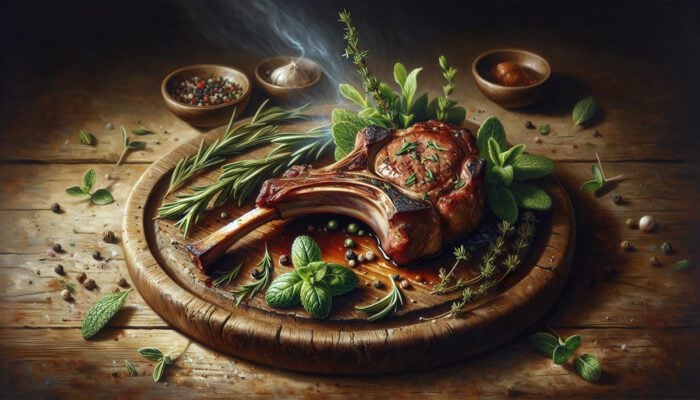
To create the perfect rack of lamb, the selection of herbs plays a crucial role in amplifying the natural flavours of lamb. Fresh rosemary, thyme, and mint are timeless choices that blend harmoniously with the rich flavour profile of lamb. Rosemary contributes a strong, earthy note, while thyme introduces subtle sweetness and warmth. Interestingly, mint provides a refreshing contrast that can truly elevate your dish. These herbs can be used in marinades, sprinkled atop the meat before cooking, or mixed into accompanying sauces. This delightful combination not only enhances the dish but also caters to a diverse array of palates, making it a beloved choice for those who appreciate exquisitely seasoned lamb.
How Do You Prepare Lamb for the Best Cooking Results?
Effectively preparing lamb is vital for ensuring a tender and succulent outcome. Begin by trimming away any excess fat, as this can lead to flare-ups and contribute to uneven cooking. Scoring the fat is a technique that enhances heat penetration and allows for better absorption of flavours. Using a sharp knife, make shallow, crosshatch cuts across the fat cap. This straightforward yet effective method supports even cooking and retains moisture, resulting in a juicier dish. Each of these foundational steps is easily accessible to any home cook aiming for culinary excellence, laying the groundwork for a memorable meal that showcases the meat's full potential.
Which Essential Tools Are Needed for Successful Lamb Preparation?
Having the right tools can significantly influence the success of cooking a rack of lamb. A high-quality chef's knife is crucial for precise trimming and scoring, while a sturdy cutting board ensures safety during preparation. A roasting pan equipped with a rack elevates the meat, facilitating optimal air circulation while cooking. A reliable meat thermometer is indispensable for accurately determining doneness, while tongs are perfect for flipping and handling the meat without losing essential juices. Each of these tools plays a vital role in achieving consistent results, making them essential for a cooking experience that will impress any guest.
How to Select Premium Quality Lamb for Culinary Purposes?
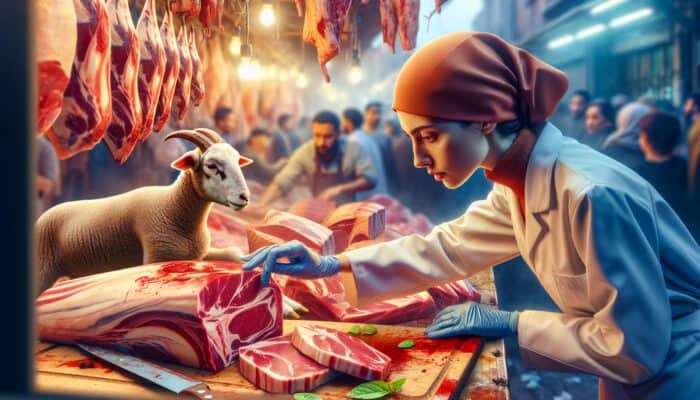
What Key Features Indicate Freshness in Lamb?
Choosing high-quality lamb begins with identifying the signs of freshness. Look for a bright, pinkish-red colour, which indicates that the meat is fresh and healthy. The texture should feel firm yet slightly springy, devoid of stickiness or any unpleasant odours. Additionally, marbling is a key factor; small flecks of fat throughout the meat enhance both flavour and tenderness during cooking. Understanding these characteristics empowers home cooks to make informed choices, ensuring they start with the best possible product for their culinary creations, ultimately achieving superior flavour and texture in their dishes.
How Should You Store Lamb Before Cooking It to Maintain Freshness?
Effective storage is essential for preserving the freshness of lamb prior to cooking. Ideally, it should remain in its original packaging and be stored in the coldest part of the refrigerator, typically at or below 4°C (39°F). If the lamb is not used within a couple of days, it is advisable to freeze it. When freezing, tightly wrap it in plastic wrap or vacuum-seal it to prevent freezer burn. It is beneficial to label the packaging with the date to ensure it is used within the recommended time frame. Following these basic guidelines prevents spoilage and maintains the quality of the lamb for future use, guaranteeing a delightful dining experience.
What Is the Importance of Balancing Fat and Lean Portions in Lamb?
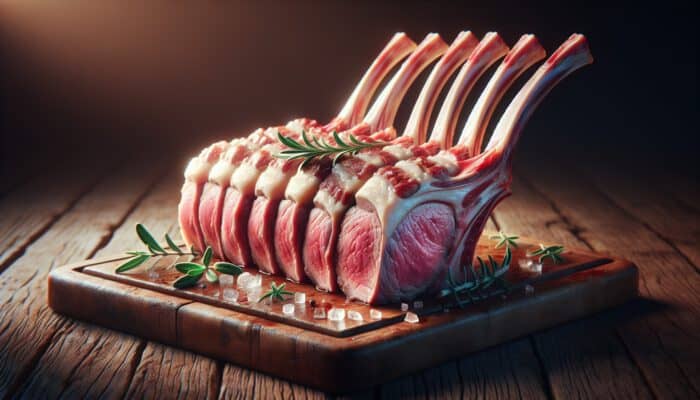
Finding the right balance between fat and lean meat is crucial for both flavour and texture. The fat in lamb contributes to its rich, savoury profile and helps keep the meat moist during cooking. When selecting a rack of lamb, aim for an even distribution of fat and lean; a well-trimmed rack should possess a thin layer of fat on top with lean meat underneath. For those who prefer a lighter dish, trimming excess fat is an option, while flavour enthusiasts may opt for a cut with a bit more fat. This knowledge equips cooks to customise their dishes to satisfy various preferences, ensuring that every diner enjoys the intricacies of well-prepared lamb.
Expert Techniques for Marinating Lamb to Maximise Flavour
What Key Ingredients Are Crucial for Crafting Effective Marinades?
A well-crafted marinade can transform a rack of lamb from ordinary to extraordinary. Essential components typically include an acid, such as lemon juice or vinegar, which plays a vital role in tenderising the meat, alongside oil that helps retain moisture. Fresh herbs, spices, and aromatics like garlic or ginger can introduce depth and complexity to the flavour profile. For instance, a Mediterranean-inspired marinade might blend olive oil, lemon juice, crushed garlic, rosemary, and oregano. These ingredients work in harmony to enhance the lamb's natural flavours. Exploring various flavour profiles from around the globe can inspire home cooks to experiment, resulting in uniquely delicious outcomes that elevate any meal.
How Long Should You Marinate Lamb for the Best Flavour?
The duration of marinating is critical for achieving maximum flavour without overwhelming the lamb. A general guideline suggests marinating the lamb for 2 to 4 hours; however, marinating overnight can yield deeper flavours without compromising the meat's texture. When applying the marinade, ensure the meat is thoroughly coated in a resealable bag or a shallow dish, covering all surfaces evenly. For a more intense flavour, consider massaging the marinade into the meat, which enhances absorption. This meticulous approach to marinating guarantees a delicious, well-seasoned dish that impresses anyone fortunate enough to sample it.
What Adjustments Can You Make to Marinades to Cater to Different Taste Preferences?
Customising marinades to accommodate individual tastes is a vital aspect of cooking lamb. To modify flavour intensity, consider adjusting the proportions of acid, oil, and seasonings according to personal preferences. For those who enjoy robust flavours, increasing the quantity of garlic or spices can introduce an exciting kick. Conversely, milder marinades featuring herbs like basil or parsley can appeal to those who prefer a more subtle taste. This flexibility enables home cooks to tailor dishes to diverse palates while adhering to the core principles of marinating, ensuring that every meal satisfies and delights its audience.
What Safety and Storage Practices Should Be Followed for Marinades?
Ensuring safety during the marinating process is essential to prevent foodborne illnesses. Always marinate lamb in the refrigerator, avoiding room temperature, which can encourage bacterial growth. Use a clean container and avoid cross-contamination by ensuring the marinade does not come into contact with raw meat after use. Recognising spoilage signs, such as off-odours or discolouration, is crucial for maintaining food safety. To prolong the shelf life of your marinade, consider freezing it in smaller portions for future use. Implementing these essential practices ensures hygienic preparation and promotes safe, delicious meals that everyone can enjoy.
What Innovative Marinade Recipes and Trends Are Emerging in the Culinary Landscape?
In the ever-evolving culinary world, innovative marinade recipes are gaining popularity. Incorporating superfoods, such as turmeric or kale, into marinades not only enhances flavour but also boosts the nutritional profile. Fusion flavours, like blending traditional Mediterranean herbs with Asian-inspired ingredients such as soy sauce or sesame oil, can create a unique tasting experience. One versatile recipe might combine soy sauce, ginger, garlic, and cilantro, offering a delightful twist on classic lamb dishes and encouraging home cooks to explore safely while achieving enhanced taste and nutrition. This innovative approach to preparing lamb keeps meals fresh and exciting.
What Techniques Ensure Uniform Cooking of Lamb?
How Does Searing Affect the Final Outcome of Lamb Cooking?
Searing is a foundational culinary technique that significantly influences the overall quality of cooked lamb. By exposing the meat to high heat, searing initiates a Maillard reaction, which locks in juices and creates a beautifully caramelised crust. This crust not only adds layers of flavour but also enhances the visual appeal of the dish. To achieve the perfect sear, preheat your pan until hot, add a small amount of oil, and gently place the lamb in the pan without overcrowding. Sear each side for 2-3 minutes until golden brown, then transfer to the oven or grill to finish cooking. Following these guidelines ensures that the lamb remains tender and flavourful, making every bite a true delight.
What Is the Importance of Monitoring Cooking Temperatures for Lamb?
Maintaining precision in cooking temperatures is crucial for preventing overcooking and ensuring that the lamb reaches the desired doneness. The ideal internal temperature for medium-rare lamb is approximately 57°C (135°F), while medium should hover around 63°C (145°F). Using a reliable meat thermometer, insert the probe into the thickest part of the meat, avoiding contact with bones for an accurate reading. Monitoring temperatures helps achieve consistent doneness across various preparations, allowing cooks to serve perfectly cooked lamb every time. This attention to detail not only enhances the dining experience but also instils confidence in the kitchen, making each meal a resounding success.
How Can Alternative Heat Sources Be Utilised When Cooking Lamb?
Embracing adaptability in cooking techniques is essential for achieving consistent results when preparing lamb. While traditional methods such as roasting are popular, alternative heat sources like charcoal or grilling can yield exceptional results. Grilling imparts a smoky flavour and charring that elevates the natural sweetness of the lamb. Sous vide cooking, on the other hand, provides precise temperature control, resulting in evenly cooked meat. Each method offers unique advantages, allowing cooks to explore distinct flavours and textures without requiring specialised equipment. This versatility empowers home cooks to select techniques that align with their preferences and available tools, enriching their culinary repertoire.
What Flipping Techniques Promote Even Heat Distribution?
Employing effective flipping techniques is vital for ensuring even cooking across all surfaces of the rack of lamb. It is important to turn the meat frequently—every 3-5 minutes—during the cooking process to minimise hot spots and foster uniform doneness. Using tongs to gently flip the meat helps retain its juices, preventing it from drying out. Additionally, for those using an oven, rotating the roasting pan halfway through cooking can further enhance even heat distribution. Implementing these practical tips not only improves overall results but also fosters a deeper understanding of achieving perfection with each cook, making every meal a celebration of culinary skill.
Proven Strategies for Presenting Lamb Dishes Elegantly
How Can Expert Insight Enhance Your Plating Presentation?
Plating is an art that elevates the dining experience, and expert analysis can provide valuable insights into effective techniques. Begin by selecting a clean, visually appealing plate that complements the dish's colours. Thoughtfully layer the components, starting with the lamb as the focal point, and then strategically add sides and sauces to create balance. Utilising garnishes, such as fresh herbs or a drizzle of sauce, adds colour and texture. The key to successful plating lies in ensuring everything appears harmonious and appetising, transforming a simple meal into a culinary masterpiece that captivates diners and enhances their overall dining experience.
What Are the Best Pairings of Lamb with Side Dishes?
The appropriate side dishes can significantly enhance the experience of enjoying a rack of lamb by adding complementary flavours and textures. Classic pairings such as roasted vegetables, creamy mashed potatoes, or a fresh mint salad can elevate the meal while providing nutritional balance. Consider incorporating grains like quinoa or couscous, which not only add heartiness but also provide a neutral base for the rich lamb. Mixing textures and flavours creates a well-rounded dining experience that satisfies the palate while maintaining visual appeal. By thoughtfully combining sides, home cooks can create an engaging culinary journey that leaves a lasting impression.
How to Time the Final Assembly of a Lamb Dish for Maximum Impact?
Timing is essential for the final assembly of a plate to ensure that every element is served at its peak. Aim to have all components ready simultaneously, preserving warmth and texture. For instance, if the lamb has been resting, utilise that time to complete the preparation of sides and sauces. When plating, position the lamb on the plate first while ensuring it remains warm. Follow with sides, arranging them thoughtfully for a visually appealing presentation. This meticulous timing guarantees that each element contributes to a satisfying meal experience, allowing diners to relish the harmonious interplay of flavours and textures that define a well-prepared dish.
What Colour Coordination Techniques Can Improve Plating Appeal?
Colour coordination is a vital aspect of plating that amplifies the visual allure of dishes. Choose ingredients that create vibrant contrasts, drawing diners' attention and making the plate look inviting. For example, pairing the rich, deep colour of roasted lamb with bright green herbs or colourful vegetables can create a stunning visual impact. Incorporating various shapes and sizes, such as thinly sliced cucumbers or vibrant cherry tomatoes, further enhances the presentation. By ensuring a harmonious palette, home cooks can create plates that not only look appetising but also invite diners to savour the meal, enriching the overall dining experience.
Which Portion-Control Strategies Should Be Used When Plating Lamb?
Effective portion control is crucial for maintaining aesthetic balance and enhancing the overall dining experience. To avoid overcrowding on the plate, aim for a visually appealing arrangement that allows each component to shine. A general guideline is to serve a palm-sized portion of lamb alongside a balanced selection of sides, allowing diners to appreciate every element. Furthermore, consider the nutritional integrity of the meal by incorporating a variety of colours and textures in appropriate amounts. This approach not only creates a visually appealing plate but also promotes healthy eating habits, contributing to a more enjoyable meal that satisfies both the eyes and the palate.
Why Is Monitoring the Internal Temperature of Lamb Essential?
What Signs Indicate Doneness in Lamb?
Determining the doneness of lamb requires careful observation of both feel and appearance. A perfectly cooked rack will display a firm exterior while still providing slight resistance when pressed. The meat should showcase a deep pink hue for medium-rare and a light pink shade for medium. Additionally, the juices should run clear, not pink, when the lamb is cut. Familiarising oneself with these key indicators helps home cooks gauge when the lamb is ready, ensuring a deliciously cooked meal every time without the need for advanced tools or techniques, making cooking lamb accessible to cooks of all skill levels.
What Risks Are Associated with Improperly Cooking Lamb?
Improperly cooked lamb presents several risks, primarily leading to dryness or unappetising textures. Overcooking can result in tough, chewy meat that loses its natural flavour and juiciness, while undercooking raises health concerns, as lamb must be cooked to a minimum temperature to eliminate harmful bacteria. To avoid these common pitfalls, monitoring internal temperatures and relying on experience are critical. Emphasising the importance of precision in cooking not only enhances the quality of the dish but also prioritises safety, enabling every cook to achieve a satisfying dining experience.
What Tools Are Essential for Accurate Temperature Measurement?
Utilising accurate measurement tools, such as meat thermometers, is essential for ensuring perfectly cooked lamb. Digital instant-read thermometers provide quick and reliable temperature readings, enabling cooks to check doneness without losing heat. Alternatively, probe thermometers can remain in the meat during cooking to provide continuous temperature updates. Regardless of the tool, ensuring it is calibrated correctly is crucial for achieving accuracy. Employing these devices fosters confidence in attaining the desired doneness, allowing home cooks to create consistently delicious lamb dishes with ease and certainty that their cooking is on point.
How to Achieve the Perfect Finish for Lamb Dishes?
How Should You Rest the Meat for Optimal Results?
Resting meat after cooking is an essential step that greatly enhances texture and flavour. During this resting period, juices redistribute throughout the lamb, ensuring a moist and tender outcome. To rest optimally, remove the lamb from heat and loosely cover it with foil, allowing it to sit for about 10-15 minutes. This technique prevents steam from accumulating, which can create a soggy exterior. Here are some tips for maximising flavour retention:
- Utilise a warm plate when serving the meat.
- Keep the lamb covered to maintain warmth.
- Incorporate resting time into your overall cooking schedule.
- Slice only after resting to retain those precious juices.
By adhering to these practices, the lamb will be succulent and ready to impress your guests, ensuring that each bite is just as delightful as the last.
What Final Flavour Enhancements Can Elevate Your Lamb Dishes?
Final flavour enhancements can significantly elevate a dish and leave a lasting impression on diners. Consider fine-tuning seasoning after cooking by lightly sprinkling salt or drizzling high-quality olive oil to enhance the dish's overall profile. A squeeze of fresh lemon juice can brighten flavours and balance the richness of the lamb. Furthermore, a fresh herb garnish, like parsley or mint, adds visual appeal along with a burst of freshness. These simple enhancements contribute to a polished result, ensuring that the lamb is not only perfectly cooked but also unforgettable in taste, transforming an ordinary meal into a remarkable culinary experience.
How to Store Leftover Lamb Creatively for Future Meals?
Repurposing cooked lamb can yield delightful meals long after the initial cooking. For effective storage, allow the lamb to cool to room temperature before placing it into an airtight container. Portioning the meat into smaller sections makes reheating easier and minimises waste. Leftover lamb can be creatively utilised in various dishes, such as lamb tacos, hearty salads, or gourmet sandwiches. For reheating, opt for low oven heat to preserve moisture. This approach not only maintains quality but also transforms leftovers into exciting new meals, ensuring that every aspect of the dish is utilised and continues to delight the palate.
Frequently Asked Questions About Cooking and Preparing Lamb
What Is the Most Effective Way to Season Lamb?
The most effective way to season lamb involves utilising a blend of fresh herbs, garlic, and spices. Rosemary, thyme, and mint are particularly effective, enhancing the meat's natural flavour and providing a delightful taste experience.
How Long Should a Rack of Lamb Be Cooked for Optimal Results?
A rack of lamb generally requires around 20-25 minutes in an oven preheated to 200°C (392°F) to achieve medium-rare doneness. Always use a meat thermometer for best results, ensuring the lamb reaches the ideal internal temperature.
The ideal internal temperature for medium-rare lamb is approximately 57°C (135°F), while 63°C (145°F) achieves medium doneness. Always verify with a reliable meat thermometer to ensure safe and delicious outcomes.
Can I Marinate Lamb Overnight for Enhanced Flavour?
Yes, marinating lamb overnight is highly beneficial and can significantly enhance its flavour. However, exercise caution with acidic marinades, as they can alter the texture if left too long; hence, balance is important for achieving the best results.
What Are the Signs of Overcooked Lamb?
Indicators of overcooked lamb include a dry texture and a greyish hue throughout the meat. It will also feel tough and chewy rather than tender and juicy, detracting from the overall dining experience.
How Can I Store Leftover Lamb Effectively?
Leftover lamb should be stored in an airtight container in the refrigerator for 3-4 days. For longer storage, consider freezing it, tightly wrapped to prevent freezer burn, ensuring its quality for future meals.
What Side Dishes Pair Well with Lamb?
Side dishes that complement lamb include roasted vegetables, creamy mashed potatoes, couscous, or a fresh salad. These pairings beautifully enhance the rich flavour of lamb, enriching the overall meal experience.
What Is the Best Method for Reheating Lamb to Maintain Quality?
The optimal method for reheating lamb involves placing it in a low-temperature oven (around 150°C/300°F) until warmed through. This method prevents dryness while maintaining the dish's original texture and flavour.
How Can I Determine If the Lamb Is Fresh When Purchasing?
Fresh lamb should exhibit a bright pink colour, firm texture, and a clean scent. Avoid any meat that appears dull or emits a strong, unpleasant odour, as these are indicators of poor quality.
What Are Some Innovative Marinades for Lamb?
Innovative marinades for lamb might feature combinations such as soy sauce with ginger and garlic, or citrus-based mixes with herbs. These combinations can introduce exciting flavours and enhance the dish, making every meal a unique culinary adventure.
Stay updated with our latest tips and recipes on Facebook!
The post How to Cook a Perfect Rack of Lamb: Tips for Success appeared first on https://cookinggods.com
The Article Perfect Rack of Lamb: Essential Cooking Tips for Success Was Found On https://limitsofstrategy.com