Uncover the Must-Have Kitchen Tools for Every Aspiring Cook
Collect Essential Cooking Equipment to Guarantee Your Culinary Success
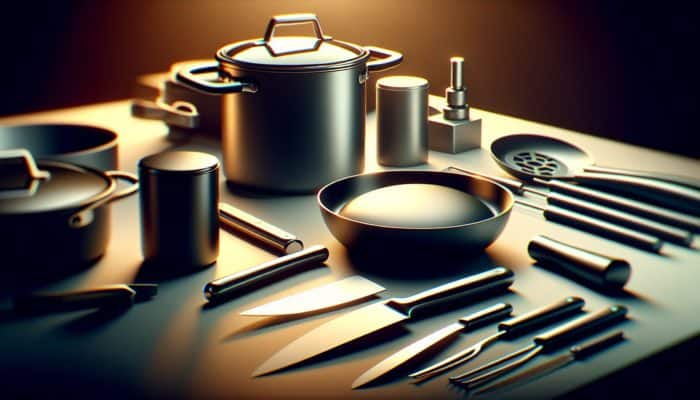
Starting your culinary journey necessitates a thoughtfully chosen array of essential tools to facilitate a safe, efficient, and enjoyable cooking process. Investing in premium items such as sharp knives, sturdy pots, and versatile pans is particularly beneficial for novices. A robust chef's knife, a dependable non-stick skillet, and a medium-sized pot will create the foundation of your kitchen arsenal. Select tools that provide comfort in grip and ease of maintenance, as this will bolster your confidence while navigating the vast realm of cooking. Remember that focusing on a few dependable tools is more advantageous than cluttering your kitchen with numerous gimmicky items that may not effectively serve your needs over time.
Understand Cooking Ingredients to Elevate Your Meal Preparation
Acquiring a solid grasp of ingredients is vital, as it significantly enriches your overall cooking experience. Fresh produce like vibrant tomatoes, fragrant onions, and flavourful garlic form the backbone of countless delicious dishes. By stocking your kitchen with essential staples such as these, you can effortlessly create balanced meals without being overwhelmed by a multitude of choices. Consider adding versatile ingredients like pasta and rice, which can serve as a base for a variety of cuisines. Learning to select quality produce is essential; seek out items with vibrant colours, firm textures, and seasonal availability, as these factors will enhance the flavour profile of your meals. This knowledge empowers you to experiment with confidence and significantly expand your cooking repertoire.
Establish an Organised and Functional Cooking Environment
Creating an efficient cooking space is crucial for ensuring a smooth and enjoyable cooking experience. Dedicate time to organise your kitchen workspace, prioritising functional elements such as adequate lighting and effective storage solutions. This thoughtful configuration allows you to focus on honing your cooking techniques step by step, reducing stress and boosting your productivity. An organised kitchen not only enhances your confidence but also sparks creativity. Essential tools for workspace organisation include:
- Spice rack for convenient access to your favourite herbs and spices
- Cutting board offering a designated area for chopping ingredients
- Measuring cups and spoons for accurate ingredient portions
- Mixing bowls in various sizes for diverse preparation tasks
- Storage containers to keep ingredients neatly organised
Establishing and maintaining a tidy and orderly workspace fosters focus and transforms the process of learning new recipes into a far more enjoyable and satisfying experience. This approach not only assists in crafting delightful dishes but also ensures a pleasant cooking atmosphere.
Master Key Culinary Techniques to Emerge as a Skilled Chef
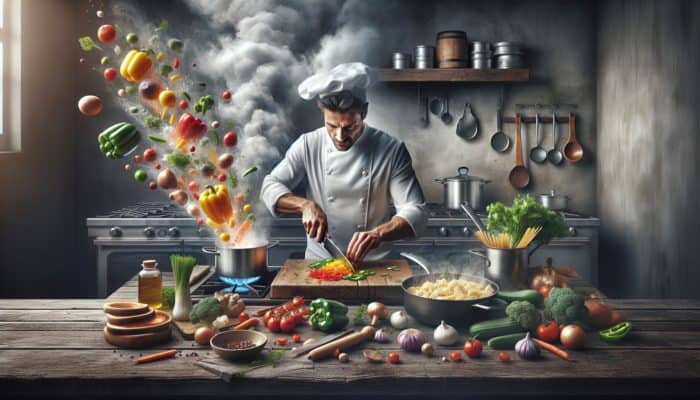
Before delving into complex recipes, it is vital to master fundamental cooking techniques that will establish the groundwork for your culinary achievements. Concentrate on essential skills such as chopping, boiling, and frying to build a strong foundation in the kitchen. For instance, learning how to chop vegetables precisely not only enhances the presentation of your dishes but also ensures even cooking. Boiling is a basic technique employed for preparing pasta and blanching vegetables, while frying introduces varied textures and flavours to your meals. As you practice these techniques, feel free to experiment with different ingredients and recipes to further enhance your skills. This hands-on experience nurtures creativity, allowing you to cultivate your unique cooking style while building confidence in your culinary abilities.
Ensure Kitchen Safety to Foster a Secure Cooking Space
Prioritising kitchen safety is essential, particularly for those embarking on their culinary journey. Cultivating fundamental safety habits will prevent accidents and create a more enjoyable cooking environment. Start by familiarising yourself with the safe handling of sharp tools such as knives, ensuring that your workspace remains clean and organised. Understanding how to manage heat sources is crucial; always monitor stovetops and ovens while cooking to avoid burns. Practising proper ergonomics, such as maintaining a comfortable height while chopping or mixing, also contributes to a safer cooking experience. Ultimately, placing a high priority on kitchen safety nurtures an environment where you can focus on mastering the art of cooking and genuinely enjoy the process.
How Can You Choose the Best Ingredients for Your Culinary Creations?
Choose Fresh Selections to Amplify Flavours in Your Dishes

When selecting ingredients for your meals, prioritising fresh and seasonal produce can significantly elevate the flavours of your dishes. This mindful practice not only enhances taste but also supports local agriculture and sustainability initiatives. Opt for vibrant fruits and vegetables that emit a pleasant aroma, indicating their ripeness and quality. Your choices should reflect a balance of colours and textures, which not only adds visual appeal but also guarantees nutritional diversity in your meals. Building rapport with local farmers or visiting farmers' markets can deepen your understanding of seasonal availability and the top-quality produce, fostering a greater appreciation for fresh ingredients that can enhance your cooking.
How to Achieve Nutritional Balance in Your Meals for Optimal Health?
Creating balanced meals is essential for maintaining optimal health and well-being. To ensure your meals are nutritious, focus on combining proteins, vegetables, and whole grains. For example, a simple stir-fry could incorporate lean chicken or plant-based tofu, a variety of colourful vegetables, and wholesome brown rice, providing a well-rounded nutrient profile. Pay attention to portion sizes, aiming for a plate that is half filled with vibrant vegetables, a quarter with quality protein, and the remaining quarter with grains. This combination not only supports your health but also simplifies meal preparation. As you gain confidence in crafting balanced meals, you will learn to adapt recipes to suit your personal taste and nutritional requirements, ultimately leading to healthier eating habits.
How to Explore and Experiment with Flavours to Enhance Your Dishes?
Incorporating herbs and spices into your cooking is a delightful way to enhance flavours without overwhelming your palate. Begin by introducing small amounts of common spices like salt, pepper, and garlic powder, gradually exploring more complex flavours such as cumin, coriander, or fresh herbs like basil and cilantro. This approach encourages you to discover your flavour preferences through trial and error while keeping the cooking process enjoyable. As your confidence grows, begin to experiment with flavour combinations and learn how different herbs can dramatically transform a dish. Engaging with various culinary traditions can inspire your cooking journey, motivating you to create meals that reflect your unique tastes and experiences, ultimately enriching your culinary skills.
Expert Tips for Initiating Your Cooking Journey with No Prior Experience
Learn and Implement Effective Cooking Techniques for Practical Learning
Building foundational cooking skills requires learning proven techniques that simplify the culinary process. Start by familiarising yourself with straightforward prep tasks, such as chopping vegetables, marinating proteins, or accurately measuring ingredients. A common technique to adopt is the “mise en place” approach, where you prepare and measure all ingredients before you begin cooking. This method streamlines your cooking experience and reduces stress, allowing you to focus entirely on the cooking process itself. Real-world examples, such as preparing a basic vegetable stir-fry, can illustrate how these techniques apply in practice, empowering you to gain confidence and proficiency in the kitchen over time.
What Common Cooking Pitfalls Should You Avoid to Enhance Your Skills as a Beginner?
As a novice cook, it is crucial to recognise and sidestep common pitfalls that may hinder your progress. One prevalent mistake is overcooking or undercooking food, which can lead to disappointing results. To refine your approach, dedicate time to understanding cooking times for various ingredients and techniques. For instance, learn to test for doneness using visual cues and tactile feedback rather than relying solely on timers. Another common pitfall is neglecting to taste your food throughout the cooking process; this practice enables you to adjust flavours as necessary. By acknowledging these mistakes and learning from them, you can enhance your cooking skills, achieve better culinary outcomes, and gain valuable knowledge along your cooking journey.
How to Establish Long-Term Cooking Habits for Sustainable Culinary Success?
Establishing long-term cooking habits is vital for nurturing confidence and enjoyment in the kitchen. Experts recommend setting aside dedicated time for cooking each day or week, allowing you to develop consistency and improve your skills over time. Start with small, achievable goals, such as preparing one new recipe each week or trying a new cooking technique. Tracking your progress can also serve as motivation; consider maintaining a cooking journal to document your successes, challenges, and favourite dishes. Here are some effective strategies for building lasting cooking habits:
- Set specific cooking goals each week to guide your learning
- Experiment with new recipes on a regular basis
- Create a cooking schedule to establish a routine
- Join a cooking class or online community for support and inspiration
By incorporating these habits into your lifestyle, you will cultivate a love for cooking that extends far beyond the initial learning phase, leading to a fulfilling culinary journey.
Select the Right Ingredients for Crafting Delectable Dishes
Choosing the right ingredients is foundational for novice cooks aspiring to create mouth-watering meals. Begin by sourcing fresh produce and high-quality staples, concentrating on items that are versatile and easy to prepare. When shopping at local markets, check for ripeness by gently squeezing fruits and vegetables; they should yield slightly without being overly soft. Additionally, consider how you store your ingredients to minimise waste; for instance, storing herbs in a glass of water can prolong their freshness. Learning to select and store ingredients properly not only enhances flavours but also builds essential kitchen skills critical for your cooking journey, ensuring success in your culinary adventures.
What Safety Measures Should You Implement in the Kitchen?
How to Effectively Manage Heat Sources for Kitchen Safety?
Effectively managing heat is crucial to ensuring safety in the kitchen. Always use oven mitts when handling hot pots, pans, or trays, and be mindful of your surroundings to avoid accidental burns. Cultivate a habit of checking temperatures before touching any heated surfaces or utensils. Familiarise yourself with your appliances to understand how they function and their respective heat settings. Moreover, maintaining a clean and organised workspace diminishes the risk of accidents, allowing you to focus on cooking without distractions. As you gain experience, these safety practices will become second nature, contributing to a more enjoyable and secure cooking experience.
How to Uphold High Hygiene Standards in Your Kitchen for Food Safety?
Maintaining strict hygiene standards in the kitchen is vital for preventing foodborne illnesses. Start by keeping your surfaces clean before and after food preparation. Wash your hands frequently with soap, especially after handling raw meat or produce. Use separate cutting boards for meats and vegetables to avoid cross-contamination. Implementing good hygiene practices from the outset establishes a healthy kitchen environment. Additionally, regularly sanitising your tools and equipment will further ensure food safety, allowing you to focus on your culinary creations with peace of mind. Remember, good hygiene is essential for a successful and enjoyable cooking experience that prioritises health.
How to Store Ingredients Correctly to Ensure Freshness?
Proper storage of ingredients is fundamental to preserving freshness and safety in your cooking routines. Utilise airtight containers to protect food from spoilage while preventing contamination from pests and bacteria. Additionally, label containers with dates to effectively manage the freshness of your ingredients. Understanding appropriate refrigeration temperatures can significantly extend the shelf life of perishable items. For instance, store herbs in the fridge wrapped in damp paper towels, while keeping grains in a cool, dry place. By prioritising proper storage techniques, you’ll ensure that your ingredients remain at their best, ultimately enhancing the quality and taste of your dishes.
What are the Research-Backed Benefits of Cooking for Beginners?
How Home Cooking Can Improve Health Outcomes through Better Nutrition?
Cooking at home has been linked to improved health outcomes, as preparing meals from scratch allows for greater control over ingredients and portion sizes. Engaging in meal planning is an effective strategy for incorporating wholesome foods into your daily routine. For instance, consider dedicating one day a week to plan and prepare meals, selecting nutritious ingredients that align with your dietary needs. By cooking at home, you can significantly reduce your intake of processed foods and unhealthy additives, leading to better nutrition and overall well-being. Making this shift can foster positive lifestyle changes and develop long-lasting habits that promote health and vitality.
How Cooking Enhances Culinary Skill Development and Cognitive Abilities?
Research highlights that cooking not only develops practical skills but also enhances cognitive abilities. As you learn new techniques and recipes, you engage various mental processes, including problem-solving, time management, and organisation. Consider adopting a progressive learning approach, where you gradually tackle more complex recipes and cooking methods as your confidence grows. For example, start with basic dishes, then challenge yourself with more intricate culinary techniques. This method not only makes cooking more rewarding but also provides a sense of achievement as you witness your skills improve over time, contributing to overall personal growth.
How to Foster Creativity in the Kitchen by Experimenting with Ingredients?
Cooking encourages innovation by allowing you to play with flavours and ingredients. Embrace the opportunity to adapt recipes to suit your tastes, transforming routine cooking tasks into enjoyable creative outlets. For instance, experiment with different herbs and spices to develop your signature flavour profile. This creative experimentation can lead to exciting discoveries along your culinary journey, motivating you to cultivate your unique style. Additionally, consider exploring various cuisines from around the globe to broaden your culinary horizons, as this exposure can spark new ideas and techniques that enrich your cooking repertoire and inspire your culinary adventures.
How Cooking Boosts Mental Wellbeing and Emotional Resilience?
Engaging in cooking has been shown to reduce stress and enhance mood, offering practical benefits for mental wellbeing. Simple strategies, such as selecting easy and enjoyable recipes, can help you build a routine that promotes emotional resilience. For example, dedicate some time each week to prepare your favourite dish, allowing yourself to relish the process without pressure. Cooking can serve as a form of mindfulness, enabling you to focus on the present moment while creating something nourishing. By fostering a positive relationship with cooking, you can cultivate a sense of accomplishment and satisfaction that extends beyond the kitchen, contributing to your overall mental health.
Beginner-Friendly Recipes to Enhance Your Culinary Exploration
What Simple Breakfast Options Can You Prepare for a Nourishing Start?
Preparing straightforward breakfast options is an excellent way to gain confidence in your cooking skills. Begin with classic dishes like scrambled eggs, which require minimal ingredients and time. Simply whisk together eggs with a splash of milk, season with salt and pepper, and cook in a non-stick skillet over medium heat until fluffy. As you become more comfortable, explore variations by adding ingredients like cheese, fresh herbs, or sautéed vegetables for a more satisfying meal. Breakfast is often regarded as the most important meal of the day, making it the perfect opportunity to practice your cooking skills while enjoying a nourishing start to your morning.
How to Prepare Basic Salads for Fresh Flavours?
Assembling a delicious salad is a fantastic way to introduce flavour layering without complexity. Begin by selecting a variety of fresh greens, such as spinach, romaine, or mixed salad leaves, then add colourful vegetables like tomatoes, cucumbers, and bell peppers for texture and taste. Simple dressings, such as a blend of olive oil and balsamic vinegar, can elevate your salad to new heights. Don't hesitate to experiment with toppings like nuts, seeds, or croutons to add additional crunch. Basic salads not only provide a refreshing, nutritious meal but also encourage you to explore different flavour combinations, making them a perfect starting point for new cooks looking to enhance their skills.
How to Create One-Pot Meals for Effortless Cooking?
One-pot meals are an excellent choice for beginners, as they require less cleanup and allow for streamlined cooking. Dishes like hearty stews or pasta bakes make for satisfying meals while introducing essential cooking techniques. Start by selecting a protein, such as chicken or beans, then add vegetables and grains, cooking everything together in one pot for maximum flavour. For example, a simple vegetable and chicken stew can be prepared by sautéing onions, adding diced chicken, and then incorporating chopped vegetables and broth. Here are some ingredient combinations to inspire your one-pot meals:
- Chicken, carrots, potatoes, and thyme
- Quinoa, black beans, corn, and bell peppers
- Pasta, spinach, cherry tomatoes, and garlic
- Lentils, diced tomatoes, carrots, and cumin
These one-pot recipes not only simplify the cooking process but also encourage you to experiment with flavours and techniques, building your confidence in the kitchen while delivering delicious results.
How Can You Build Confidence While Cooking?
Practice Your Cooking Skills Regularly for Continuous Improvement
Establishing a consistent cooking practice is essential for building confidence in the kitchen. Set achievable goals, such as preparing a new dish each week, and keep track of your progress to acknowledge your growth. By treating cooking as a skill to be developed, you can turn routine sessions into valuable opportunities for improvement. Begin with simple recipes that excite you, gradually increasing the complexity of your dishes as you grow more comfortable. Regular practice will help diminish intimidation and enhance your culinary abilities, motivating you to explore new flavours, techniques, and cuisines, ultimately becoming a more proficient cook.
How to Seek Constructive Feedback to Enhance Your Skills?
To enhance your cooking skills, actively seek feedback from various sources. Online communities, cooking classes, and social media platforms can provide constructive criticism and encouragement. Sharing your culinary creations with friends or family can also yield valuable insights, helping you refine your technique and discover new approaches. Consider maintaining a cooking journal to reflect on your experiences, noting what worked well and what could be improved. Engaging in self-reflection will make your learning process more interactive and supportive, ultimately leading to greater confidence as you progress on your cooking journey.
Why Celebrate Your Small Wins in the Kitchen to Boost Your Morale?
Recognising and celebrating your achievements, no matter how small, is crucial for maintaining a positive mindset throughout your cooking journey. Acknowledge milestones such as completing a recipe, mastering a technique, or even cooking for friends and family. These victories help boost your morale and reinforce your commitment to developing your culinary skills. Consider rewarding yourself with a small treat, such as a new kitchen gadget or a special ingredient, after reaching a cooking goal. By fostering a culture of celebration in your kitchen, you will cultivate a sense of accomplishment that motivates you to keep exploring and learning, leading to a fulfilling cooking adventure.
What Strategies Can You Implement for Maintaining a Clean Kitchen for Efficient Cooking?
How to Clean as You Go to Enhance Your Cooking Experience?
Adopting a “clean as you go” philosophy during cooking can significantly enhance your experience in the kitchen. By keeping your workspace tidy, you prevent messes from accumulating, making the process more enjoyable. Clean utensils, cutting boards, and surfaces as soon as you finish using them, allowing you to focus on the cooking at hand without the distraction of clutter. This habit not only streamlines your workflow but also fosters a sense of accomplishment as you maintain an orderly environment. Ultimately, a clean kitchen encourages creativity and reduces stress, making your cooking adventures all the more enjoyable and productive.
How to Organise Your Kitchen for Maximum Efficiency and Accessibility?
Organising your kitchen storage effectively can save you time and enhance your cooking experience. Arrange your tools logically, ensuring that frequently used items are easily accessible. Consider grouping similar utensils together, such as placing all baking tools in one drawer and cooking utensils in another. Labelling containers and shelves can also simplify your cooking process, allowing you to quickly locate ingredients or tools. By prioritising organisation in your kitchen, you’ll create a smoother workflow, enabling you to focus on honing your skills and enjoying the art of cooking without unnecessary distractions.
Why Implement Regular Deep Cleaning Routines to Maintain Hygiene?
Scheduling regular deep cleanings is essential for maintaining hygiene and creating a safe cooking environment. Set aside time each month to thoroughly clean your kitchen, including appliances, countertops, and storage areas. Pay special attention to hard-to-reach spots, as these areas can harbour bacteria and pests. Establish a checklist of tasks to ensure you cover all aspects of your deep clean, including wiping down surfaces, washing dish cloths, and emptying the refrigerator of expired items. By committing to periodic deep cleaning, your kitchen will remain a safe and inviting space for ongoing culinary experiments, supporting your growth as a confident cook.
What Are the Frequently Asked Questions about Cooking for Beginners?
What beginner-friendly recipes should I try for easy cooking?
Beginner-friendly recipes include scrambled eggs, vegetable stir-fries, and simple salads. These dishes require minimal ingredients and techniques, making them perfect for new cooks looking to build confidence in the kitchen while creating delicious meals.
How can I effectively improve my knife skills for better precision?
Improving knife skills involves practising proper techniques, such as the claw grip and using a stable cutting board. Start with soft vegetables like cucumbers to build confidence before moving on to harder items, ensuring you develop a solid foundation for more complex tasks in the kitchen.
What should I do if I make a mistake while cooking?
Mistakes are part of the learning process in cooking. Assess the situation and, if possible, adjust the recipe or salvage the dish. Learning from these moments will help you improve your skills and gain confidence over time, ultimately leading to better cooking outcomes.
How can I find inspiration for new recipes to try?
Explore cookbooks, food blogs, and social media platforms for inspiration. Joining cooking classes or online communities can also expose you to fresh ideas and techniques that spark your creativity in the kitchen, enhancing your culinary journey.
What kitchen appliances are essential for beginners starting their cooking journey?
Essential kitchen appliances for beginners include a blender, microwave, and slow cooker. These tools simplify meal preparation and expand your cooking options without overwhelming you as you develop your skills, making your culinary journey enjoyable.
How do I choose the right cooking oils for my dishes?
Choose cooking oils based on their smoke points and flavour profiles. Olive oil is great for dressings and low-heat cooking, while vegetable oil works well for frying and high-heat applications, ensuring you select the best option for your culinary creations.
What are some easy meal prep ideas for beginners to simplify cooking?
Easy meal prep ideas include batch cooking grains, prepping vegetables for stir-fries, and marinating proteins in advance. These techniques save time during the week and make meal assembly simpler, helping you stay organised and efficient in the kitchen.
How can I make cooking more enjoyable and less stressful?
Make cooking enjoyable by selecting recipes that excite you, listening to music or podcasts while cooking, and inviting friends or family to join you in the kitchen. Engaging in these activities enhances the overall cooking experience and makes it more fulfilling, turning cooking into a delightful activity.
How do I know when food is cooked properly for safe consumption?
Use visual cues, textures, and, when applicable, a food thermometer to determine doneness. Familiarise yourself with specific cooking times for various ingredients to ensure optimal results and delicious outcomes in your meals, enhancing your culinary skills.
What are some common cooking mistakes to avoid for better results?
Common cooking mistakes include not reading the recipe beforehand, overcrowding pans, and neglecting to taste food as you cook. Being mindful of these pitfalls can lead to better outcomes in your dishes and improve your overall cooking experience, helping you grow as a cook.
Connect with us on Facebook!
The post How to Start Cooking with Zero Experience: A Beginner’s Guide appeared first on https://cookinggods.com
The Article Start Cooking with Zero Experience: A Simple Guide for Beginners Was Found On https://limitsofstrategy.com