Comprehensive Insight into Vitamin B12 Deficiency in Reading
How Can You Identify Early Signs of B12 Deficiency in Your Community?
Private Blood Testing for B12 Deficiency in Reading: Vitamin B12 deficiency can manifest through multiple symptoms that severely impact an individual’s quality of life. Residents of Reading may experience issues like fatigue, neurological disturbances, and anaemia, which are often dismissed. These symptoms usually develop gradually and can lead to serious health ramifications if not addressed promptly. It is essential for individuals to recognise these indicators and pursue appropriate medical evaluations at local GP practices or hospitals.
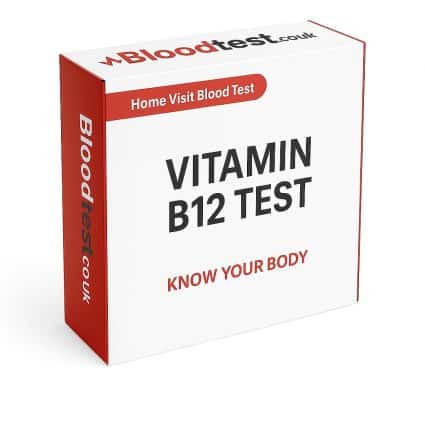

The overwhelming fatigue associated with B12 deficiency can be debilitating, rendering daily tasks daunting. Neurological symptoms may include sensations of tingling, mobility difficulties, or memory lapses, which can easily be misattributed to normal ageing or stress. Anaemia can lead to pallor and shortness of breath, further complicating health for many residents of Reading. Timely identification of these symptoms can significantly enhance health outcomes.
Healthcare providers in the area are equipped to handle such matters, but it is crucial for residents to remain informed. Individuals should consult their GP without delay upon noticing any symptoms. Early identification and intervention can avert more severe health issues, aiding individuals in preserving their vitality and wellness.
What Impact Do Dietary Choices Have on B12 Levels?
Diet is a vital factor in sustaining sufficient Vitamin B12 levels, particularly for residents of Reading. Those following vegetarian or vegan diets may face challenges in B12 absorption due to the lack of animal-derived food sources. Regular monitoring of Vitamin B12 levels is critical for individuals who might be unaware of their dietary intake.
The NHS services in the Berkshire region offer accessible B12 testing, allowing residents to stay updated on their nutritional status. Understanding that dietary choices significantly influence health is essential. Fortified products and supplements can effectively compensate for nutritional deficiencies for those at risk.
Community education initiatives can further guide residents towards making informed dietary choices. By raising awareness of B12-rich foods and the necessity for regular testing, Reading can work towards reducing deficiency prevalence and enhancing the overall health of its population.
Which Age Demographics Are Most Vulnerable to Deficiency?
Older adults in Reading are particularly vulnerable to Vitamin B12 deficiency due to various physiological changes associated with ageing. As people age, the production of stomach acid diminishes, hindering the absorption of B12 from food. Regular testing is crucial for older residents to monitor their B12 levels effectively.
Ageing, combined with dietary habits and existing health conditions, can further elevate deficiency risk. Many seniors might not consume adequate amounts of B12-rich foods, increasing the likelihood of insufficient absorption. This group should remain vigilant about their nutritional intake and seek medical advice if they exhibit any deficiency symptoms.
Local community clinics are instrumental in providing accessible testing and support for older adults. By prioritising B12 testing, healthcare providers can help mitigate the risks associated with deficiency and ensure that older residents maintain their health and independence.
In What Ways Do Environmental and Lifestyle Factors Influence B12 Levels?
Residents of Reading may encounter various environmental and lifestyle factors that contribute to Vitamin B12 depletion. Urban living typically results in increased stress levels, which can exacerbate nutritional deficiencies. Shift workers may experience disrupted meal schedules, further affecting their ability to maintain adequate B12 levels.
Awareness campaigns led by local health organisations can assist residents in recognising the importance of stress management and maintaining a balanced diet. Community resources, including workshops and informational sessions, can provide valuable insights into healthy lifestyle practices that support nutrient status.
Fostering a culture of health awareness within Reading is essential for promoting overall well-being. By advocating for healthy lifestyle choices and creating supportive networks, residents can strive to optimise their Vitamin B12 levels and improve their quality of life.
Professional Insights on Blood Testing for Vitamin B12 Deficiency in Reading
Case Studies from Local Health Clinics
NHS practitioners in Reading often share inspiring stories of patients who have seen remarkable health improvements following the early detection of Vitamin B12 deficiency. For example, individuals presenting with <a href=”https://bloodtest.co.uk/can-low-testosterone-cause-fatigue-signs-and-symptoms-in-men/”>fatigue</a> and neurological symptoms were promptly tested and treated, allowing them to recover swiftly and resume their normal activities. These real-life narratives underscore the significance of timely testing within local healthcare frameworks.
Local clinics have established effective protocols for identifying at-risk patients and facilitating prompt blood tests. By utilising community health resources, practitioners can ensure that residents receive necessary follow-up care and support. This proactive approach enhances patient outcomes and builds trust within the community.
The success stories emerging from Reading clinics serve as a powerful reminder of the importance of early detection and intervention. By prioritising testing and aftercare, healthcare providers can significantly impact the health and wellness of residents.
Evaluating Test Accuracy: Perspectives from Experts
Experts advocate for a comprehensive diagnostic approach to Vitamin B12 deficiency, integrating serum B12 tests with additional indicators such as methylmalonic acid (MMA) and homocysteine levels. This multi-faceted testing strategy ensures that patients in Reading receive accurate diagnoses without unnecessary delays in treatment. Employing a combination of tests provides healthcare providers with a clearer understanding of a patient’s B12 status.
Accurate testing is crucial for formulating the appropriate treatment plan for individuals at risk of deficiency. Misdiagnosis can result in ineffective treatment strategies and prolonged health complications. Local healthcare providers must stay updated on the latest testing protocols and best practices to deliver optimal care.
Patients in Reading should feel empowered to discuss their testing options with their healthcare providers. Understanding the significance of accurate results can motivate individuals to actively engage in their health management and seek additional support when necessary.
Practical Strategies for Patients to Manage Their Health
For residents of Reading, taking proactive measures to manage Vitamin B12 levels starts with scheduling an appointment with their GP. Patients should maintain a symptom diary before their visit, documenting any relevant health changes or concerns. This preparation maximises the consultation and ensures that healthcare providers have all necessary information to make informed decisions.
During the appointment, patients should discuss their family history and dietary habits with their GP, as these elements can greatly influence B12 levels. Open communication is vital for identifying potential risk factors and determining the most appropriate testing and treatment options.
After the initial consultation, patients can expect guidance on subsequent steps, including potential blood tests and follow-up appointments. By actively participating in their healthcare journey, residents of Reading can effectively manage their Vitamin B12 status and overall well-being.
What Is the Procedure for Blood Testing for Vitamin B12 Deficiency in Reading?
What Should Patients Anticipate During Blood Sampling?
The blood testing process for Vitamin B12 deficiency in Reading is straightforward and designed to be patient-friendly. The procedure generally involves a simple venous blood draw at a local clinic, typically completed within minutes. Skilled healthcare professionals strive to make the sampling process quick and as comfortable as possible for patients.
Once the blood sample is collected, it is dispatched to local laboratories for analysis. Patients can expect to receive their results through the NHS app or via post, based on their preference. This efficient communication ensures that individuals remain informed about their health status without unnecessary delays.
For those who may feel anxious about blood tests, it is reassuring to remember that this is a routine procedure. Knowing what to expect can help alleviate concerns and encourage individuals to seek testing when they notice symptoms of deficiency.
What Are the Local Turnaround Times for Test Results?
In Reading, the typical turnaround time for Vitamin B12 test results is between two and five working days. This relatively quick processing allows for timely follow-up appointments, during which healthcare providers can discuss findings and potential next steps with patients. Quick access to results is essential for effectively managing deficiency and ensuring that individuals receive necessary care without prolonged waiting periods.
Patients should keep in mind that while the wait for results is generally short, it may vary based on the specific clinic or laboratory involved. Maintaining communication with healthcare providers can help clarify any questions regarding the timeline and what to expect after testing.
In instances where immediate action is required, such as significantly low B12 levels, healthcare providers may expedite follow-up appointments to address treatment options promptly. This proactive strategy is vital for safeguarding the health of Reading residents.
What Does Follow-Up Care Entail After Testing?
After the blood test, patients in Reading will receive guidance on the next steps based on their results. Typically, individuals diagnosed with Vitamin B12 deficiency will be advised to implement dietary changes or take supplements to restore optimal levels. This may include oral supplements or B12 injections, depending on the severity of the deficiency.
Coordinated care through local healthcare providers ensures that patients receive comprehensive support throughout their treatment journey. Regular follow-up appointments may be scheduled to monitor progress and adjust treatment plans as needed. This ongoing care is essential for preventing the recurrence of deficiency and promoting long-term health.
Patients should feel encouraged to ask questions and express any concerns during follow-up visits. Open communication with healthcare providers can enhance treatment effectiveness and empower individuals to take an active role in managing their health.
How to Schedule and Access Tests Through NHS Services
Who Qualifies for Free Testing?
Residents of Reading may qualify for NHS-funded Vitamin B12 tests when specific symptoms or risk factors are identified. The eligibility criteria are designed to ensure that those in greatest need of testing can access it without financial constraints. Primary care teams in the area are adept at evaluating individual cases and facilitating referrals for testing when appropriate.
Individuals should discuss any symptoms or concerns with their GP, as this will help determine whether testing is warranted. The NHS aims to provide equitable access to healthcare services, allowing all residents the opportunity to maintain their health.
For those who are uncertain about their eligibility, contacting local healthcare providers can clarify the process and provide reassurance. Understanding the criteria for free testing can empower residents to take proactive steps towards their health.
Available Private Testing Options in the Area
Some individuals in Reading may opt for private testing options for Vitamin B12 deficiency, especially if they desire quicker appointments or greater scheduling flexibility. Private laboratories in the region typically offer B12 tests at varying prices, usually ranging from thirty to sixty pounds. While this option may be appealing, it is important to note that results from private tests should still be communicated to GPs for integrated care.
Choosing private testing can be a practical alternative for those who may face lengthy wait times within the NHS. Residents should carefully consider their options and weigh the benefits against the costs involved. Ensuring continuity of care is crucial, regardless of whether testing is conducted privately or through the NHS.
Patients should also be aware that private testing does not guarantee quicker treatment for any identified deficiencies. It is vital to maintain communication with healthcare providers to ensure that appropriate follow-up care is established.
How Can You Prepare for Accurate Testing Results?
To ensure precise results during Vitamin B12 testing, patients in Reading should adhere to specific preparation guidelines. It is generally advisable to avoid certain supplements, particularly those containing B12, for a few days before testing. This helps to eliminate any potential interference with the test results.
Fasting may be recommended before the blood draw, depending on the specific testing protocols established by the healthcare provider. Following these guidelines can help ensure that the results accurately reflect an individual’s B12 status.
Patients should feel comfortable reaching out to their healthcare providers for clarification on preparation requirements. Taking these steps seriously can significantly enhance the reliability of test outcomes and contribute to effective management of Vitamin B12 deficiency.
What Are the Common Causes of Low B12 Levels?
Medical Conditions That Impair B12 Absorption
Several medical conditions prevalent among residents of Reading can obstruct the absorption of Vitamin B12. One notable condition is pernicious anaemia, an autoimmune disorder that hampers the stomach’s capacity to produce intrinsic factor, a protein essential for B12 absorption. Individuals with gastrointestinal disorders, such as Crohn’s disease or celiac disease, may also experience compromised nutrient uptake, leading to deficiency.
These conditions necessitate targeted investigations at local hospitals, where healthcare providers can conduct thorough assessments and determine the best course of action. Identifying underlying medical issues is crucial for formulating effective treatment plans that address the root causes of deficiency.
Residents should proactively discuss any gastrointestinal symptoms or concerns with their healthcare providers. Early detection of these conditions can facilitate timely intervention and improved health outcomes for those at risk of B12 deficiency.
Medication Side Effects That May Result in Deficiency
Long-term use of specific medications can lead to Vitamin B12 deficiency, a concern for many individuals living in Reading. Medications like metformin, commonly prescribed for diabetes, and proton pump inhibitors, used to treat acid reflux, have been associated with impaired B12 absorption. Individuals taking these medications should be aware of the potential risks and discuss monitoring options with their healthcare providers.
Regular check-ups can facilitate the early detection of any emerging deficiencies, allowing for timely intervention. Healthcare providers may recommend periodic blood tests for patients on these medications to ensure that B12 levels remain within a healthy range.
Understanding the link between medication use and nutrient absorption empowers residents to take control of their health. Open discussions with healthcare providers about medication regimens can support proactive management of Vitamin B12 status.
Lifestyle Factors That Influence Daily B12 Levels
Lifestyle choices can have a notable impact on Vitamin B12 levels among residents of Reading. Increased stress levels, often associated with urban living, can deplete nutrients and exacerbate deficiencies. Excessive alcohol consumption can impede the absorption of B12 and other essential nutrients, complicating health outcomes.
To mitigate these lifestyle effects, individuals should consider incorporating stress-reduction techniques into their daily routines. Activities such as mindfulness, regular exercise, and sufficient sleep can help alleviate stress and support overall well-being. Community resources, including local health initiatives, can provide additional support and education on healthy lifestyle habits.
By fostering a culture of health awareness and promoting positive lifestyle adjustments, the residents of Reading can aim to maintain optimal Vitamin B12 levels. This proactive approach can lead to improved health outcomes and an enhanced quality of life.
Dietary Choices That Affect B12 Levels in Local Populations
Dietary habits play a critical role in maintaining adequate Vitamin B12 levels, especially for individuals who follow vegan or vegetarian diets. These diets often lack sufficient natural sources of B12, primarily found in animal products. Individuals may need to seek out fortified foods or consider supplementation to prevent deficiencies.
Community education initiatives can help raise awareness about the significance of B12 and provide guidance on dietary choices that support adequate nutrient intake. By promoting the consumption of fortified cereals, plant-based milks, and nutritional yeast, local health initiatives can empower residents to make informed dietary decisions.
Regular monitoring of B12 levels is vital for those at risk of deficiency due to dietary choices. By staying informed and proactive, residents of Reading can aim to maintain optimal health and prevent complications associated with Vitamin B12 deficiency.
Evidence-Based Advantages of Blood Testing for Vitamin B12 Deficiency in Reading
How Does Early Detection Enhance Health Outcomes?
Research indicates that early detection of Vitamin B12 deficiency in environments like Reading leads to significantly improved health outcomes. Studies show that individuals who receive prompt testing and treatment experience reduced neurological risks and enhanced overall well-being. The proactive measures taken by local healthcare providers can substantially influence patient recovery.
Expert analysis highlights the necessity of timely intervention in minimising complications associated with B12 deficiency. By addressing the issue promptly, healthcare providers can implement effective treatment plans that support recovery and improve patients’ quality of life. This evidence underscores the importance of regular testing and monitoring for at-risk populations.
Residents of Reading should feel motivated to seek testing if they exhibit any deficiency symptoms. Recognising the potential benefits of early detection can encourage individuals to take proactive steps in managing their health and well-being.
Why Is Monitoring Treatment Effectiveness Important?
Regular monitoring of Vitamin B12 levels is crucial for assessing the effectiveness of treatment plans. Local clinicians in Reading often conduct follow-up tests to ensure that patients respond positively to interventions, whether through dietary changes or supplementation. This ongoing assessment allows healthcare providers to make necessary adjustments to therapies, optimising patient outcomes.
Real-life examples illustrate the positive effects of consistent monitoring on health improvements. Patients who undergo regular checks frequently report sustained health benefits and a return to their usual activities. This reinforces the importance of a collaborative approach to health management, where patients and providers work together to achieve optimal results.
For residents of Reading, understanding the significance of monitoring treatment effectiveness can empower them to engage actively in their health journey. Regular check-ups and open communication with healthcare providers are vital components of effectively managing Vitamin B12 deficiency.
How Does Proactive Screening Reduce Long-Term Health Risks?
Evidence supports the notion that proactive screening for Vitamin B12 deficiency can significantly diminish long-term health risks. Residents of Reading who participate in regular testing are better prepared to tackle deficiencies before they escalate into serious complications. This preventative approach is especially crucial for at-risk groups, including older adults and those with dietary restrictions.
Healthcare providers can offer actionable steps, such as annual reviews for individuals at risk, to ensure that B12 levels remain within a healthy range. By prioritising consistent testing and monitoring, residents of Reading can take control of their health and avert the adverse effects of prolonged deficiency.
Community awareness initiatives can further bolster these efforts by educating residents about the importance of screening and early intervention. By fostering a culture of proactive health management, Reading can aim to lower the prevalence of Vitamin B12 deficiency and its associated risks.
What Are the Costs and Availability of Testing Options?
NHS Funding for Eligible Residents
The majority of Vitamin B12 tests in Reading are provided at no cost under the NHS when clinically indicated. This ensures that residents displaying symptoms or possessing risk factors can access crucial healthcare services without financial burden. The NHS prioritises equitable access to testing, allowing individuals to maintain their health without the stress of costs.
Residents should consult their GP if they suspect a deficiency or have related symptoms. The primary care team will evaluate eligibility for NHS-funded testing and facilitate the process efficiently. This streamlined approach helps ensure that patients receive timely care and support.
Understanding the availability of NHS-funded testing can empower the residents of Reading to take proactive steps towards their health. By knowing their rights and options, individuals can engage more effectively with healthcare services and advocate for their well-being.
Private Testing Fees and Locations
For those seeking quicker appointments or more flexibility, private testing options are available in Reading. Fees for Vitamin B12 tests at independent providers typically range from thirty to sixty pounds. While this option may be appealing to some, patients should consider their budget and the potential need for follow-up care through their GP.
Individuals choosing private testing should ensure that results are shared with their healthcare providers to maintain continuity of care. This collaboration is critical for effectively managing any identified deficiencies and developing comprehensive treatment plans.
Before selecting private testing, residents should research local providers and read reviews to ensure they choose a reputable laboratory. This diligence can help guarantee that patients receive accurate results and quality service.
Insurance Coverage Considerations
Certain private health plans may cover the costs of Vitamin B12 testing, which can be advantageous for residents in Reading considering private options. Individuals should verify the specifics of their insurance coverage before scheduling appointments, as policies can vary significantly. Understanding coverage details can help alleviate financial concerns and encourage proactive health management.
Patients should consult their insurance providers to clarify any questions regarding coverage for testing and follow-up care. This step can empower individuals to make informed decisions about their health and ensure that they receive the necessary support without incurring unexpected expenses.
By staying informed about insurance options, residents of Reading can navigate the healthcare landscape more effectively and access the services they require to maintain their well-being.
Home Testing Kits and Online Options
Residents in Reading can obtain Vitamin B12 home testing kits through various online platforms, typically costing between twenty and forty pounds. These kits offer a convenient alternative for individuals who prefer to test at home. Results are usually delivered promptly via post or digital means, allowing individuals to stay informed about their health status.
While home testing kits can be a valuable tool, individuals must follow the instructions carefully to ensure accurate results. Anyone receiving abnormal results should consult their GP for further evaluation and possible follow-up testing.
Home testing kits can enhance awareness of Vitamin B12 levels among residents, promoting proactive health management. By integrating these options into their health routines, individuals can take control of their well-being and mitigate the risk of deficiency.
Proven Strategies for Blood Testing for Vitamin B12 Deficiency in Reading
Real-World Examples from Local Specialists
Local experts in Reading have demonstrated the effectiveness of integrated care plans that combine testing with nutritional support for individuals with Vitamin B12 deficiency. For instance, patients who underwent comprehensive assessments and received tailored dietary guidance reported significant improvements in their health outcomes. These real-world scenarios highlight the necessity of a holistic approach to managing deficiencies.
Healthcare providers in Reading often collaborate with dietitians to ensure that patients receive personalised advice on food choices and supplementation. This cooperative effort helps individuals maintain optimal B12 levels and creates a supportive environment for recovery. By addressing both testing and nutritional needs, healthcare professionals can enhance patients’ overall well-being.
Residents should feel encouraged to engage with healthcare providers regarding their health management plans. By actively participating in their care, individuals can benefit from tailored strategies that support their unique needs and promote lasting health improvements.
Expert Analysis on Prevention Strategies
Ongoing education about fortified foods is essential for preserving healthy Vitamin B12 levels among residents of Reading. Local health initiatives can play a significant role in raising awareness of B12-rich food sources and the importance of regular testing. By providing resources and information, these initiatives can empower individuals to make informed dietary choices that support their health.
Residents should be motivated to incorporate fortified foods into their diets, such as cereals, plant-based milks, and nutritional yeast. By increasing their intake of these products, individuals can help prevent deficiencies and maintain optimal nutrient levels. Regular check-ups at community health centres can further support these efforts by ensuring that residents remain informed about their B12 status.
By cultivating a culture of prevention and education, Reading can work towards reducing the prevalence of Vitamin B12 deficiency and enhancing the overall health of its residents. Proactive measures can lead to improved health outcomes and a more vibrant community.
Creating a Personal Health Strategy
Developing personalised strategies with Reading clinicians can greatly improve individuals’ ability to sustain healthy Vitamin B12 levels. Personal health plans should focus on sustainable habits that support overall well-being, including dietary choices, supplementation, and regular testing. By collaborating with healthcare providers, residents can establish a roadmap to achieve and maintain optimal health.
Patients should be encouraged to set realistic goals and track their progress as they implement their health plans. This engagement fosters accountability and motivates individuals to take an active role in their health management. Regular check-ins with healthcare providers can help assess progress and make necessary adjustments to the plan.
By prioritising personal health strategies, residents of Reading can work towards optimising their Vitamin B12 levels and enhancing their overall quality of life. This proactive approach can lead to lasting health improvements and a stronger, healthier community.
Post-Treatment Care and Lifestyle Modifications in Reading
Dietary Guidelines for Ongoing Maintenance
Incorporating Vitamin B12-rich foods or fortified products into one’s diet is crucial for maintaining healthy levels after treatment. Dietitians in Reading can offer tailored guidance, helping individuals identify suitable food sources and create meal plans that support ongoing nutrient intake. Regularly including foods such as dairy products, eggs, and fortified cereals can help sustain adequate B12 levels.
For those who may struggle to obtain sufficient B12 from food sources alone, dietary supplements might be recommended. Dietitians can advise patients on the appropriate types and dosages of supplements to ensure optimal absorption and effectiveness. This personalised approach helps individuals maintain their health and prevent the recurrence of deficiency.
Community resources and workshops can further support residents in making informed dietary choices. By fostering a culture of health awareness, Reading can empower individuals to take charge of their nutrition and overall well-being.
Supplement Options and Regular Monitoring
Patients diagnosed with Vitamin B12 deficiency may be prescribed oral or injectable supplements as part of their treatment plan. Oral supplements are typically effective for those with mild to moderate deficiencies, while injections may be necessary for individuals with severe deficiencies or absorption issues. Local NHS services guide the most appropriate options based on individual needs.
Regular monitoring is essential to confirm the efficacy of supplements and ensure that B12 levels remain within a healthy range. Patients should expect periodic follow-up appointments to assess their progress and make any necessary changes to their treatment plans. This ongoing care is crucial for preventing recurrence and promoting long-term health.
Residents should feel empowered to discuss their supplement options with healthcare providers. Open communication can enhance the effectiveness of treatment and support individuals in achieving their health objectives.
When Should You Seek Further Medical Advice?
Persistent symptoms after treatment for Vitamin B12 deficiency necessitate further medical evaluation. Residents in Reading should not hesitate to consult their GP if they experience ongoing fatigue, neurological changes, or other related symptoms following treatment. Identifying underlying issues is essential for providing comprehensive care and addressing any potential complications.
Healthcare providers may recommend additional testing or referrals to specialists if symptoms persist. This proactive approach can help uncover any underlying conditions contributing to ongoing deficiencies or health issues. Early intervention is crucial for preventing complications and supporting overall well-being.
By remaining vigilant and engaged in their health management, Reading residents can work towards optimising their Vitamin B12 levels and enhancing their quality of life. Open communication with healthcare providers is essential for ensuring individuals receive the care and support they need.
Frequently Asked Questions
What symptoms indicate a Vitamin B12 deficiency?
Symptoms of Vitamin B12 deficiency may include fatigue, weakness, neurological changes such as tingling or numbness, and anaemia. It is important to consult a healthcare provider if you experience these symptoms.
How is Vitamin B12 deficiency diagnosed?
Vitamin B12 deficiency is diagnosed through a blood test that measures serum B12 levels. Additional tests may be conducted to evaluate absorption and overall health.
Who is at risk for Vitamin B12 deficiency?
Individuals at risk for Vitamin B12 deficiency include vegetarians, vegans, older adults, and those with gastrointestinal disorders or specific medication regimens that affect absorption.
How can I increase my Vitamin B12 intake?
You can enhance your Vitamin B12 intake by consuming more B12-rich foods such as meat, fish, dairy products, eggs, and fortified cereals. Supplements are also available for those who need them.
How often should I be tested for Vitamin B12 deficiency?
The frequency of testing for Vitamin B12 deficiency depends on individual risk factors. Those at higher risk may benefit from annual testing, while others might require testing based on symptoms or medical advice.
What treatment options are available for Vitamin B12 deficiency?
Treatment options for Vitamin B12 deficiency include dietary modifications, oral supplements, and B12 injections. The appropriate treatment depends on the severity of the deficiency and individual health needs.
Is it possible to undergo private testing for Vitamin B12 deficiency?
Yes, you can obtain private testing for Vitamin B12 deficiency at various laboratories in Reading. Fees typically range from £30 to £60, and results should be communicated to your GP.
What should I avoid before undergoing a Vitamin B12 test?
Before a Vitamin B12 test, it is advisable to avoid certain supplements, particularly those containing B12, and to follow any fasting instructions provided by your healthcare provider.
Are home testing kits reliable for assessing Vitamin B12 levels?
Home testing kits for Vitamin B12 can be reliable if used correctly. It is crucial to follow instructions meticulously and consult a healthcare provider for further evaluation if results are abnormal.
What actions should I take if my Vitamin B12 levels are low?
If your Vitamin B12 levels are low, consult your healthcare provider for a tailored treatment plan. This may include dietary adjustments, supplementation, or further testing to identify underlying causes.
Connect with us on our Facebook profile!

This Article Was First Found On https://bloodtest.co.uk
The Article B12 Deficiency Blood Test: Essential Insights for Reading Residents found first on https://electroquench.com