Discover Local NHS Clinics for Iron Deficiency Testing in Bolton
How Can I Find NHS Facilities in Bolton?
Private Blood Test for Iron Deficiency in Bolton: To access blood tests for iron deficiency in Bolton, individuals should visit accredited NHS facilities where qualified professionals conduct rapid and precise screenings to identify low iron levels. The NHS centres in Bolton are equipped with advanced technology, ensuring reliable results for patients.
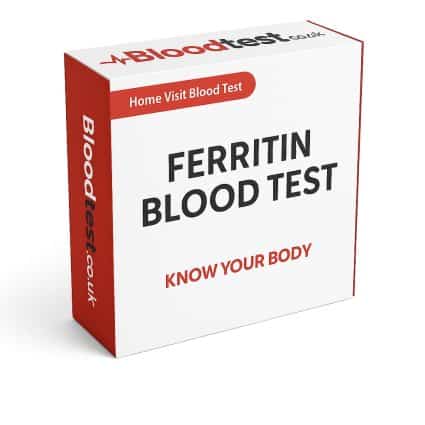

Patients may consult their local GP surgeries or specialised blood testing clinics. These facilities aim to create a supportive environment for those seeking clarity about their iron levels. NHS staff are well-trained and ready to address inquiries, guiding patients throughout the testing process.
Efficient Appointment Scheduling for Blood Tests
Bolton residents can book tests through their local GP practices or take advantage of online booking systems, leading to faster results and reduced waiting times for diagnoses. Many practices offer user-friendly online platforms, allowing patients to select convenient appointment slots without the hassle of lengthy phone calls.
It is advisable to verify appointment availability, as demand can fluctuate regularly. Some clinics also provide walk-in services, which adds convenience for individuals needing immediate testing.
What Are the Eligibility Criteria for Testing?
Residents can qualify for tests based on symptoms such as fatigue, following Bolton-specific health guidelines for free or low-cost access. Typically, those showing signs of iron deficiency, including unusual tiredness or weakness, are encouraged to seek testing.
In Bolton, eligibility often hinges on factors like age, medical history, and specific health conditions. Patients should consult their GP to determine if they qualify for free testing under the NHS.
Valuable Insights on Blood Tests for Iron Deficiency in Bolton
Case Studies from Local Practitioners
Healthcare professionals in Bolton assess blood samples using sophisticated techniques to confirm deficiencies and quickly recommend personalised treatment options. Practitioners implement state-of-the-art laboratory methods to ensure accurate diagnoses, facilitating effective treatment strategies.
For example, a GP in Bolton might identify iron deficiency during a routine blood test and subsequently refer patients to dietitians or specialists for customised dietary advice or supplements. This collaborative approach enhances patient care and promotes improved health outcomes.
How to Accurately Interpret Test Results
After receiving their blood test results, patients in Bolton should discuss their iron levels with healthcare providers to determine appropriate next steps. Understanding the specific values of ferritin and haemoglobin is essential, as these indicators assess the severity of the deficiency.
Patients are encouraged to engage in conversations about their results and their implications for overall health. Open discussions with healthcare professionals can lead to better management strategies and improved health outcomes.
Key Questions Patients Should Ask
Residents of Bolton benefit from discussing their test results with experts to clarify any concerns related to iron deficiency management. Important questions might include what the results suggest about their health, dietary changes that may be necessary, and whether supplements are required.
Patients should also inquire about follow-up tests and how often they should monitor their iron levels. Understanding their results enables individuals to take proactive steps regarding their health.
What Is the Testing Process in Bolton?
What Are the Sample Collection Procedures?
In Bolton, the testing process begins with a simple venipuncture at clinics, followed by laboratory analysis to accurately measure ferritin and haemoglobin levels. Skilled phlebotomists ensure that the blood collection procedure is efficient and as comfortable as possible for the patient.
Once collected, the sample is dispatched to a laboratory where advanced testing methods are employed. This ensures accurate and dependable results, providing clear insights into the patient’s iron status.
Steps Involved in Laboratory Analysis
- Initial processing and preparation of the sample
- Measurement of ferritin levels
- Assessment of haemoglobin concentrations
- Quality control checks for accuracy
- Compilation of results for patient review
Key advantages for accurate diagnosis in Bolton facilities include cutting-edge technology, proficient laboratory staff, and strict adherence to health regulations. These factors ensure that patients receive reliable results that inform their treatment options.
What Is the Timeline for Receiving Results?
Laboratories in Bolton typically deliver results within a few days, enabling prompt follow-up on any deficiencies identified. Most clinics strive to provide results as quickly as possible, often within a week, allowing patients to receive necessary care without prolonged anxiety.
Timely results are essential for effective management of iron deficiency. This quick turnaround allows healthcare providers to implement treatment plans without delay, enhancing patient health outcomes.
How Should Patients Prepare for Testing?
Patients attending testing facilities in Bolton should refrain from consuming food or drink, aside from water, for at least eight hours prior to testing. This fasting period aids in obtaining accurate measurements of their iron stores and haemoglobin levels, resulting in more reliable test results.
Before fasting, patients should inform their healthcare provider about any medications or supplements they are taking, as these factors may influence test results. Proper preparation is vital for ensuring dependable blood test results.
What Happens During Post-Test Consultations?
After receiving results from Bolton Laboratories, individuals will meet with qualified healthcare professionals to discuss findings and receive personalised recommendations. This consultation is a crucial step in addressing any identified iron deficiencies.
During this appointment, healthcare providers will explain the results in detail, discuss their implications, and suggest relevant dietary changes or supplements if necessary. This tailored approach empowers patients to understand their health and make informed decisions.
Research-Driven Benefits of Blood Tests for Iron Deficiency in Bolton
Why Is Early Detection Crucial?
Expert analysis shows that tests conducted in Bolton can prevent complications such as anaemia through proactive health monitoring. Early identification of iron deficiency allows for timely interventions, reducing the risk of more severe health issues in the future.
By promptly recognising deficiencies, healthcare providers can introduce lifestyle adjustments and treatment plans that promote optimal health. This proactive strategy is vital for maintaining overall wellbeing within the community.
How Does Regular Testing Improve Treatment Outcomes?
Data from Bolton illustrates that consistent testing enhances the management of iron levels and overall wellness. Individuals who regularly monitor their iron levels often experience fewer health complications and increased energy levels.
Routine check-ups and tests ensure that fluctuations in iron status are addressed swiftly. This ongoing monitoring can lead to more effective treatment strategies tailored to individual needs.
What Are the Benefits of Choosing Local Testing Services?
Evidence from Bolton studies highlights convenience and accuracy as primary reasons for opting for local services. Nearby clinics frequently provide shorter waiting times and personalised care, making the testing process more accessible for residents.
Selecting local options allows patients to access care closer to home, creating a comfortable and familiar environment for their healthcare needs. This accessibility encourages more individuals to pursue testing and support.
What Are the Long-Term Health Implications of Regular Testing?
Recent studies conducted in Bolton reveal that continuous iron level monitoring through blood tests contributes to sustained energy levels and a decreased risk of chronic conditions associated with untreated deficiencies. Regular testing enables adjustments in diet and lifestyle, significantly improving long-term health.
Patients who engage in regular monitoring are better equipped to manage their health proactively. This commitment to frequent testing can foster a healthier community overall, reducing the prevalence of iron deficiency-related health issues.
How Does Increased Public Awareness Benefit the Community?
Research from Bolton underscores how accessible blood testing services elevate community awareness regarding iron deficiency symptoms. This heightened awareness encourages individuals to seek timely medical advice and adopt healthier lifestyles.
Community outreach and education surrounding iron deficiency can foster a greater understanding of the importance of regular testing and nutritional balance. This proactive approach can ultimately enhance public health outcomes in Bolton.
What Are the Costs Associated with Testing in Bolton?
Details on NHS Funding for Testing
Tests in Bolton are often funded by the NHS, alleviating financial burdens for eligible patients seeking iron deficiency checks. The NHS aims to provide equitable access to essential health services, ensuring that financial constraints do not impede individuals from receiving necessary care.
Patients should consult their GP to clarify any potential costs and confirm their eligibility for NHS-funded tests. This transparency allows individuals to make informed decisions regarding their healthcare options.
What Are the Pricing Structures at Private Clinics?
Some private clinics in Bolton charge fees based on service speed and additional consultations, providing clear cost breakdowns upfront. These clinics may offer expedited results or more customised services, appealing to those willing to invest in convenience.
Patients considering private options should compare prices and services to ensure they receive value for their investment. Understanding associated costs aids individuals in making informed health-related decisions.
Exploring Insurance Coverage Options
Patients should investigate policies that support blood tests for iron deficiency in Bolton to mitigate any potential out-of-pocket expenses. Many health insurance plans cover diagnostic tests, facilitating easier access to necessary care.
Patients should review their insurance policies and discuss coverage options with their providers. This knowledge can help ease financial burdens related to testing and treatment.
What Are the Aftercare and Follow-Up Steps in Bolton?
Dietary Recommendations to Aid Recovery
Nutritionists in Bolton recommend incorporating iron-rich foods into diets to complement test results and effectively support recovery. Including foods such as red meat, leafy greens, and legumes can assist individuals in naturally restoring their iron levels.
Alongside dietary changes, nutritionists often provide guidance on meal planning and combinations of foods that enhance iron absorption. This tailored advice helps individuals optimise their nutritional intake for better health outcomes.
Why Is Regular Progress Monitoring Important?
- Ensures stability in iron levels
- Identifies any new deficiencies early
- Adjusts treatment plans as necessary
- Supports overall health maintenance
The primary benefits of ongoing checks in Bolton include enhanced health management and early detection of potential issues. Regular monitoring allows healthcare providers to make informed decisions about patient care and treatment strategies.
When Should Patients Seek Further Medical Advice?
Follow-up appointments in Bolton ensure that medical professionals promptly address any ongoing issues. If symptoms of iron deficiency persist despite treatment, patients should consult their healthcare provider for further evaluation.
Timely follow-ups can prevent complications and guarantee that patients receive the necessary care to effectively manage their health. Maintaining open communication with healthcare professionals is essential for optimal outcomes.
What Are the Guidelines for Supplement Intake?
Patients in Bolton receive tailored advice from healthcare providers regarding the correct approach for taking prescribed iron supplements. This guidance includes timing with meals and avoiding interactions with other substances to enhance effectiveness and minimise side effects.
Understanding the correct method for taking supplements is crucial for achieving desired health outcomes. Healthcare providers can offer strategies to help patients seamlessly integrate supplements into their daily routines.
Where Can Patients Access Community Support Resources?
Bolton offers access to local support networks and follow-up clinics where individuals can openly discuss concerns regarding iron levels with specialists. These resources establish a platform for ongoing education and encouragement in maintaining optimal health after treatment.
Community support can be invaluable for those managing iron deficiency, fostering a sense of belonging and shared experience. Engaging with local resources can enhance motivation and commitment to health goals.
Frequently Asked Questions
What symptoms should I look out for regarding iron deficiency?
Common symptoms include fatigue, weakness, pale skin, shortness of breath, and dizziness. If you experience these symptoms, it is advisable to consult a healthcare provider for testing.
How frequently should I have my iron levels tested?
It is generally recommended to have your iron levels tested annually, especially if you have a history of deficiency or related health issues.
Can I obtain a blood test for iron deficiency without a referral?
In Bolton, you can often request a blood test through your GP. Some private clinics may offer direct access without a referral.
What is the expected wait time for blood test results?
Most clinics in Bolton aim to deliver results within a few days, facilitating timely follow-up consultations if necessary.
Are there any risks associated with blood tests?
Blood tests are generally safe, although some individuals may experience minor discomfort or bruising at the puncture site. Serious complications are rare.
Which foods are particularly high in iron?
Iron-rich foods include red meat, poultry, fish, beans, lentils, tofu, spinach, and fortified cereals. Incorporating these into your diet can help enhance iron levels.
Can iron supplements lead to side effects?
Yes, common side effects of iron supplements include gastrointestinal discomfort, constipation, and nausea. It is important to follow your healthcare provider’s instructions to minimise these effects.
What should I do if my test results indicate low iron levels?
If your results show low iron levels, consult your healthcare provider for personalised recommendations, which may include dietary adjustments or supplementation.
Are there alternative testing methods for iron deficiency?
While blood tests are the most common method, some clinics may offer alternative assessments, such as dietary evaluations or symptom questionnaires.
Is iron deficiency prevalent in the UK?
Yes, iron deficiency is relatively common, particularly among specific groups such as pregnant women, vegetarians, and individuals with certain health conditions. Regular testing can help manage this issue effectively.
Visit Our Facebook Profile for Further Information!
This Article Was Originally Published On https://bloodtest.co.uk
The Article Iron Deficiency Blood Test: Your Essential Guide in Bolton found first on https://electroquench.com