Discover In-Depth Information on Liver Blood Tests Offered in Wakefield
What Varieties of Liver Blood Tests Can You Access?
Private Liver Blood Test in Wakefield: Liver blood tests are essential for assessing liver function and understanding the overall health of individuals. In Wakefield, various local clinics perform these tests to identify potential liver issues early, using specific biomarkers to deliver a comprehensive overview of liver health. The main liver enzymes that are analysed include:
- Alanine aminotransferase (ALT): High levels of this enzyme may point towards liver damage or inflammation.
- Aspartate aminotransferase (AST): Increased AST levels can suggest underlying liver or heart conditions.
- Alkaline phosphatase (ALP): This enzyme is vital for assessing issues associated with the bile ducts.
- Bilirubin: Elevated bilirubin levels can indicate either liver dysfunction or bile duct obstruction.
- Albumin: A low albumin level might signify chronic liver disease.
- Prothrombin time (PT): This test measures the blood’s clotting ability, often affected by liver health.
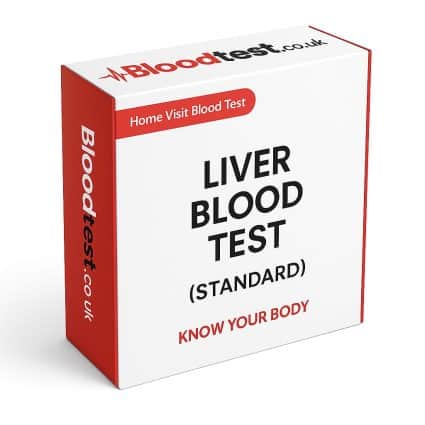

These biomarkers are employed in clinical settings across Wakefield to comply with NHS guidelines, ensuring precise evaluations and timely interventions for patients. A deep understanding of these markers is crucial for crafting effective treatment strategies and ensuring liver health is maintained.
The Essential Importance of Liver Blood Tests for Routine Health Monitoring
Liver blood tests are fundamental in evaluating the health of this vital organ, especially within the preventive care frameworks advocated in Wakefield. By analysing specific enzymes and proteins, these tests act as proactive measures against potential liver conditions. The NHS recommends routine testing, particularly for individuals at higher risk due to factors such as excessive alcohol intake, obesity, or a familial history of liver diseases.
In Wakefield, healthcare providers consistently integrate liver blood tests into comprehensive health evaluations, allowing for the creation of personalised treatment plans tailored to the distinct needs of each patient. This tailored approach not only aligns with the UK's focus on preventive care but also empowers patients to take charge of their health, facilitating early identification and effective intervention strategies when required.
How Can You Understand Key Outcomes from Liver Blood Tests?
Understanding the results of liver blood tests involves comparing individual enzyme levels to established standard ranges. In Wakefield, healthcare professionals adhere to UK laboratory standards to ensure the precision of these interpretations. For instance, elevated ALT and AST levels typically indicate liver inflammation, while abnormal bilirubin levels may signal more serious health concerns.
Grasping these results requires contextual knowledge, as various factors, including age, sex, and lifestyle choices, can affect liver enzyme levels. Therefore, healthcare professionals in Wakefield emphasise the necessity of discussing results with qualified practitioners, who can offer tailored insights, ensuring prompt medical decisions regarding liver health management are made.
How Does the Process of a Liver Blood Test Function?
What Preparatory Steps Should You Take Before the Test?
Preparation for a liver blood test is crucial for ensuring accurate results. In Wakefield, healthcare facilities typically recommend that patients fast for at least eight hours prior to the test. This fasting period is essential to prevent food and drink from interfering with the biomarkers being assessed. Additionally, patients are often advised to refrain from taking certain medications, especially those that could influence liver enzyme levels.
To enhance readiness, patients should consider the following actionable steps:
- Stay well-hydrated by drinking plenty of water, which eases the blood draw process.
- Avoid intense exercise the day before the test, as this may elevate specific enzyme levels.
- Inform your healthcare provider about any medications, supplements, or herbal products you are taking.
- Choose a short-sleeved shirt to facilitate easy access to your arm during the blood draw.
By adhering to these preparation guidelines, championed by UK best practices, patients can ensure that their test results accurately reflect true liver function, enabling effective health assessments and interventions.
The Methodology for Executing the Liver Blood Test
The process for conducting a liver blood test is straightforward and generally performed in laboratories throughout Wakefield. A healthcare professional begins by disinfecting the inner elbow area with an antiseptic wipe to prevent infection. Then, a needle is inserted into a vein to collect a blood sample, a procedure that typically takes only a brief moment.
Once the sample is obtained, it is forwarded to the laboratory for analysis of key liver enzymes. Facilities in Wakefield meticulously adhere to safety and hygiene standards, ensuring that all procedures comply with UK regulations. Patients can usually expect results within a few days, facilitating prompt discussions regarding liver health and any necessary follow-up actions.
Most patients find the procedure quick and minimally uncomfortable. The simplicity of the test highlights its vital role in monitoring liver health, providing essential data for healthcare providers to make informed decisions regarding patient care.
Why Might Results Differ Among Individuals?
Results from liver blood tests can exhibit considerable variability among individuals due to a multitude of factors. In Wakefield, healthcare professionals recognise that lifestyle choices, such as diet and alcohol consumption, significantly influence liver enzyme levels. For instance, a diet high in fats or carbohydrates can raise specific markers, while regular physical activity may have a counterbalancing effect.
Moreover, age and sex can also affect enzyme levels. Research indicates that liver function and enzyme activity can vary between genders and across different age groups. This variability underscores the necessity for context-specific analysis of liver blood test results, allowing healthcare providers in Wakefield to accurately interpret findings and recommend personalised treatment approaches.
Ultimately, understanding the factors behind these variations enables healthcare professionals to consider the broader context of a patient’s health, facilitating tailored interventions that enhance liver health and overall well-being.
Professional Perspectives on Liver Blood Tests in Wakefield
Key Elements Affecting the Precision of Liver Blood Test Results
A variety of significant factors influence the accuracy of liver blood tests. Lifestyle choices, including diet, physical activity, and alcohol consumption, greatly impact liver function and enzyme levels. In Wakefield, studies indicate that patients who maintain a balanced diet and engage in regular physical activity tend to show more stable liver enzyme levels compared to those leading sedentary lifestyles or indulging in unhealthy dietary habits.
Genetics also significantly affects liver health. Certain genetic traits can influence how the liver processes various substances, thus impacting enzyme levels and overall liver functionality. Healthcare professionals in Wakefield utilise this knowledge to guide patients towards healthier lifestyle choices, fostering habits that optimise liver health.
Additionally, the timing of the tests can also affect results. For instance, blood samples taken during periods of illness or stress may yield abnormal readings. Experts recommend that patients in Wakefield communicate their overall health status when preparing for liver blood tests to guarantee that results are accurately interpreted and reflect their true health condition.
Common Misconceptions Regarding Liver Health
Several myths about liver health require clarification. One prevalent misconception is that only heavy drinkers are susceptible to liver damage. While excessive alcohol consumption indeed poses a significant risk, individuals who drink alcohol moderately can also experience liver issues, particularly when combined with poor dietary habits or sedentary lifestyles.
Another widespread misunderstanding is the belief that liver problems only manifest through noticeable symptoms, such as jaundice or severe pain. In reality, many liver conditions can develop silently, making regular liver blood tests essential for early detection. Healthcare professionals in Wakefield emphasise the necessity of routine testing, even for individuals without visible symptoms, to ensure proactive management of liver health, adhering to UK medical guidelines.
Lastly, some patients mistakenly believe that the absence of disease is the sole indicator of liver health. However, optimal liver function necessitates a holistic approach that encompasses lifestyle choices, regular monitoring, and preventive care strategies. Educating patients about these aspects is vital for fostering informed decision-making regarding their liver health.
How Do Experts Recommend Follow-Up Care After Testing?
After liver blood tests, healthcare professionals in Wakefield generally recommend a comprehensive follow-up care plan tailored to the results obtained. For example, if liver enzyme levels are slightly elevated, healthcare providers might suggest lifestyle alterations, such as dietary changes and increased physical activity, to promote liver health.
In situations where results indicate more serious concerns, such as significantly elevated enzyme levels or abnormal bilirubin levels, additional diagnostic testing may be warranted. This could involve imaging studies or further laboratory tests to ascertain the underlying cause of liver dysfunction. Experts in Wakefield stress the importance of timely follow-up appointments to discuss results and outline subsequent steps, ensuring patients receive optimal care.
Moreover, ongoing liver monitoring is crucial for individuals diagnosed with chronic liver conditions. Regular follow-up tests enable healthcare professionals to track liver health over time and make necessary adjustments to treatment plans. This proactive approach aligns with the UK’s commitment to personalised healthcare, facilitating tailored interventions that improve long-term patient outcomes.
Understanding Liver Blood Test Results in Wakefield
Interpreting the results of liver blood tests requires expertise and contextual understanding. In Wakefield, specialists assist patients in navigating the process of comprehending their results, integrating UK clinical standards and local case studies to provide clarity. Each biomarker reflects a specific liver function, and healthcare providers elucidate what abnormal levels signify in relation to the patient’s overall health and lifestyle.
For example, if a patient presents with elevated ALT levels, the healthcare provider will discuss potential causes, such as fatty liver disease, viral hepatitis, or medication influences. This dialogue is essential for helping patients understand the significance of their results and their implications for liver health.
Moreover, professionals in Wakefield encourage patients to pose questions and express concerns during consultations. Creating a supportive space for discussion fosters trust and ensures that patients feel empowered to take charge of their health. This collaborative approach is crucial for navigating the complexities of liver health and developing effective treatment strategies.
What Advantages Do Liver Blood Tests Provide?
How Do These Tests Promote Early Detection of Liver Problems?
Liver blood tests offer substantial benefits for the early detection of liver issues, a key advantage in Wakefield’s healthcare landscape. By measuring enzyme levels and other biomarkers, these tests can identify abnormalities prior to the onset of any symptoms. This proactive approach enables healthcare providers to intervene early, effectively addressing potential liver conditions and minimising the risk of long-term complications.
Early detection is particularly vital for conditions such as fatty liver disease or hepatitis, which may progress without symptoms. In Wakefield, healthcare professionals advocate for routine liver blood tests, especially for individuals at heightened risk. This strategy aligns with UK public health guidelines emphasising preventive measures in healthcare.
Furthermore, identifying liver issues early can lead to improved treatment outcomes. Patients who receive timely interventions often experience enhanced liver function and quality of life. The focus on early detection not only supports individual health but also contributes to the broader public health objective of reducing the prevalence of liver disease within the community.
The Long-Term Advantages of Continuous Health Monitoring
Consistent health monitoring through liver blood tests provides long-term insights into liver function, playing a vital role in maintaining wellness within Wakefield. Routine testing enables healthcare providers to track shifts in liver enzyme levels over time, facilitating early interventions when necessary.
For individuals with chronic liver conditions, regular monitoring is essential for effective disease management. In Wakefield, patients are encouraged to integrate routine testing into their healthcare practices. This approach aligns with UK preventive health strategies, allowing healthcare providers to adapt treatment plans based on the latest information.
Moreover, ongoing monitoring empowers patients to make informed lifestyle choices by understanding how their personal behaviours, such as diet and exercise, impact liver health. Individuals can then take proactive measures to enhance their overall well-being. This comprehensive strategy underscores the importance of continuous assessment for optimised liver health outcomes.
What Are the Possible Risks and How Can They Be Minimized?
While liver blood tests are generally safe, there are associated risks with the procedure. In Wakefield, healthcare providers emphasise the importance of proper technique and aftercare to mitigate these risks. Common risks may include minor bruising or discomfort at the blood draw site; however, these are typically temporary and resolve swiftly.
To ensure safe testing, patients in Wakefield are advised to adhere to specific guidelines, including maintaining open communication with their healthcare provider about any medications or health conditions that may influence the blood draw. Additionally, after the test, patients should observe the site for unusual swelling or prolonged bleeding and report any concerns immediately.
By following these safety measures, patients can minimise risks and ensure a smooth testing experience. This proactive approach aligns with UK health standards and supports a positive testing environment, reinforcing the reliability of liver blood tests as valuable diagnostic tools.
How Do Liver Blood Tests Facilitate Personalised Healthcare Plans?
Liver blood tests are integral in enabling personalised healthcare plans by providing precise data on liver health that is essential for tailored treatment strategies. In Wakefield, healthcare providers utilise information from these tests to develop customised plans that align with individual patients’ specific needs.
For instance, if a liver blood test indicates elevated enzyme levels, healthcare professionals can recommend specific lifestyle modifications, dietary adjustments, or medications that cater to the patient’s unique circumstances. This personalised approach ensures that treatment plans are not only effective but also consider patients’ individual health profiles.
Furthermore, incorporating liver blood test results into broader health assessments allows for a more holistic understanding of a patient’s overall health. This comprehensive view empowers healthcare providers in Wakefield to make informed decisions regarding preventive care and ongoing monitoring, ultimately enhancing patient outcomes.
The emphasis on personalised healthcare aligns with UK health policies prioritising patient-centred care, ensuring individuals receive the most appropriate and effective interventions tailored to their specific health needs.
Research-Backed Advantages of Liver Blood Tests in Wakefield
What Recent Studies Highlight Their Effectiveness?
Recent studies underscore the effectiveness of liver blood tests in enhancing patient outcomes, showcasing actionable steps within Wakefield’s healthcare framework. Research indicates that regular liver monitoring can facilitate early diagnosis and treatment of liver conditions, thereby mitigating the risk of severe complications.
In Wakefield, healthcare professionals leverage local data to illustrate the efficacy of these tests. For instance, studies demonstrate that patients who undergo routine liver blood testing are more likely to receive timely interventions, significantly enhancing their quality of life. This evidence reinforces the need to integrate liver blood tests into routine health assessments for at-risk populations.
Additionally, ongoing research explores the correlation between liver enzyme levels and various lifestyle factors, providing valuable insights into how these tests can inform preventive health strategies. This commitment to evidence-based practice reinforces the credibility of liver blood tests as a cornerstone of proactive healthcare in Wakefield.
How Do Liver Blood Tests Contribute to Treatment Plans?
Liver blood tests provide critical insights that inform tailored treatment plans, ensuring that patients receive the most suitable care. In Wakefield, healthcare providers utilise the data from these tests to establish baseline liver function and track changes over time. This approach enables swift adjustments to treatment strategies based on the patient’s evolving health status.
For example, if a patient presents with elevated liver enzymes due to fatty liver disease, healthcare professionals can recommend specific lifestyle changes and medications aimed at improving liver function. The responsive nature of treatment plans, grounded in liver blood test results, exemplifies a patient-centred approach that is increasingly prevalent in Wakefield healthcare settings.
Moreover, these tests facilitate ongoing dialogue between patients and healthcare providers, fostering a collaborative environment in which individuals actively engage in managing their health. This partnership enhances adherence to treatment plans and encourages patients to take proactive steps towards better liver health.
What Long-Term Health Improvements Can Be Expected from Regular Testing?
Regular liver blood testing is linked to long-term health improvements, particularly for individuals at risk of liver disease. In Wakefield, evidence suggests that consistent monitoring aids in the early identification of potential issues, enabling timely interventions that can avert more serious complications.
Patients who adhere to regular testing schedules often experience enhanced liver function and improved overall health outcomes. For instance, individuals diagnosed with non-alcoholic fatty liver disease may see significant improvements in their liver enzyme levels through lifestyle modifications as guided by healthcare providers based on testing results.
Furthermore, the cumulative benefits of regular monitoring extend beyond individual health, contributing to the broader public health goal of reducing the prevalence of liver disease within the community. As healthcare providers in Wakefield continue to promote routine liver blood tests, timely detection and intervention remain cornerstones of effective liver health management.
What Are the Benefits of Early Detection in Liver Health Monitoring?
The advantages of early detection through liver blood tests are considerable, particularly with regard to liver health monitoring in Wakefield. By identifying potential issues before they escalate, healthcare providers can implement timely interventions that prevent the progression of liver diseases.
Research supports the assertion that early detection leads to better prognoses and reduced healthcare costs. In Wakefield, routine liver blood testing enables proactive management of conditions such as hepatitis and cirrhosis, ultimately minimising the risk of severe complications that necessitate more intensive treatments.
Moreover, early detection empowers patients to take control of their health through informed lifestyle choices and preventive care measures. The ability to intervene early not only enhances individual health outcomes but also improves community health, reflecting Wakefield’s healthcare system’s commitment to prioritising proactive health management.
What Economic Benefits Are Associated with Accessible Testing Programmes?
Accessible liver blood testing programmes in Wakefield yield significant economic advantages by reducing long-term healthcare costs. By facilitating early interventions, these testing programmes help prevent the progression of liver diseases that could require expensive treatments or hospitalisation.
In Wakefield, the availability of liver blood tests aligns with UK health economics studies advocating for preventive health measures. By investing in accessible testing, the healthcare system can lessen the financial burden of advanced liver disease management, ultimately enhancing equitable healthcare access for the population.
Furthermore, the cost-effectiveness of routine liver blood testing is further emphasised by its potential to improve community health outcomes. By ensuring that at-risk populations have access to regular testing, Wakefield’s healthcare providers can contribute to a healthier community while minimising future healthcare expenditures.
The focus on accessible testing programmes illustrates a commitment to proactive health management, ensuring that every individual has the opportunity to monitor their liver health effectively.
Why Opt for Liver Blood Tests in Wakefield?
What Factors Enhance the Accessibility of These Tests Locally?
The accessibility of liver blood tests in Wakefield is significantly improved by a network of local healthcare facilities that provide convenient testing options. Patients can easily locate clinics and laboratories equipped to perform liver blood tests, with minimal travel required, in line with UK healthcare availability standards.
Moreover, many facilities in Wakefield offer flexible appointment scheduling to accommodate patients’ busy lifestyles. This convenience encourages more individuals to undergo regular testing, promoting proactive health management within the community. The emphasis on accessibility underscores the Wakefield healthcare system’s dedication to making liver health monitoring readily available to all residents.
Additionally, public health initiatives in Wakefield frequently promote awareness of liver health, further enhancing access to testing programmes. By educating the community about the importance of liver blood tests, healthcare providers empower individuals to prioritise their health and seek necessary screenings.
What Ensures Reliable Outcomes from Testing?
Reliable outcomes from liver blood tests in Wakefield are guaranteed through standardised procedures implemented within local healthcare facilities. These protocols adhere to UK regulatory frameworks, ensuring that all tests are conducted with precision and accuracy.
The training and certification of healthcare professionals involved in the testing process also play a crucial role in maintaining reliability. In Wakefield, laboratories apply rigorous quality control measures, routinely calibrating equipment and reviewing testing methodologies to ensure consistent results.
Moreover, the integration of electronic health records within Wakefield’s healthcare system enhances data accuracy and tracking. This interconnectedness allows healthcare providers to review patients’ historical test results, facilitating trend analysis and improving overall diagnostic precision.
The emphasis on reliability underscores the trustworthiness of liver blood tests as essential diagnostic tools, reinforcing their role in effective liver health management in Wakefield.
How Do Costs for Liver Blood Tests Compare to Alternative Options?
The costs of liver blood tests in Wakefield are generally competitive compared to alternative diagnostic procedures. The pricing structures for these tests align with UK healthcare standards, ensuring that patients receive value for their investment in health monitoring.
Compared to more invasive procedures, such as liver biopsies, liver blood tests are not only less costly but also carry fewer risks and require minimal recovery time. This cost-effectiveness makes liver blood tests an attractive option for individuals seeking to monitor their liver health without incurring substantial financial burdens.
Furthermore, the availability of various testing facilities in Wakefield contributes to competitive pricing, allowing patients to choose from multiple providers based on their needs. This competition fosters a healthcare environment where patients are empowered to seek affordable options for liver health monitoring.
The overall affordability of liver blood tests aligns with the UK’s commitment to accessible healthcare, ensuring that individuals can prioritise their liver health without facing prohibitive costs.
Preparing for Your Liver Blood Test in Wakefield
What Steps Should You Follow on the Day of the Test?
Preparing for a liver blood test on the day of the appointment involves several vital steps to ensure optimal conditions for accurate results. Patients in Wakefield should consider the following pre-appointment tips:
- Hydrate adequately by consuming water to facilitate the blood draw.
- Avoid heavy meals before the test to prevent interference with results.
- Arrive at the appointment punctually to avoid unnecessary stress.
- Wear comfortable clothing that allows easy access to the arm for blood collection.
Following these guidelines helps ensure a smooth testing experience. Patients should also remember to bring any necessary identification and documentation, as this can expedite the process at the healthcare facility.
Being well-prepared not only enhances the overall experience but also reinforces the importance of liver blood tests in proactive health management. Each step contributes to a successful appointment, ensuring that patients can navigate the testing process with ease.
What Post-Test Care Should Be Observed and What to Expect?
After undergoing a liver blood test, patients in Wakefield should observe the site for any side effects, although complications are generally uncommon. It is typical to experience some minor bruising or soreness at the puncture site; however, these symptoms should resolve promptly.
Following the test, healthcare providers often recommend that individuals resume their normal activities, but they should remain vigilant for any unusual symptoms that may arise. If a patient notices excessive swelling, persistent pain, or signs of infection at the site, seeking medical advice is imperative.
Additionally, patients should await their results, which are typically available within a few days. During this period, it is advisable to maintain open communication with healthcare providers about any concerns or questions regarding the testing process or results.
This proactive approach ensures that individuals remain engaged in their health management and fosters a collaborative relationship with healthcare professionals in Wakefield.
When Should You Seek Immediate Medical Attention?
Seeking immediate medical advice after a liver blood test is crucial if any unusual symptoms emerge. Patients in Wakefield should be vigilant for signs such as significant swelling, prolonged bleeding at the blood draw site, or severe discomfort that does not diminish.
Furthermore, if a patient develops symptoms indicative of liver issues, such as jaundice (yellowing of the skin or eyes), abdominal pain, or extreme fatigue, it is vital to consult a healthcare provider promptly. These symptoms may indicate underlying liver problems that necessitate immediate intervention.
Healthcare professionals in Wakefield emphasise the importance of being proactive about health concerns and encourage patients to seek guidance when they have questions or experience unexpected symptoms. This vigilance is essential for ensuring timely interventions and maintaining optimal liver health.
Common Questions Regarding Liver Blood Tests
What Exactly Is a Liver Blood Test?
A liver blood test measures specific enzymes and proteins in the blood to evaluate liver function and identify potential damage or disease.
How Frequently Should I Undergo a Liver Blood Test?
The frequency of liver blood tests varies based on individual risk factors. Still, it is generally recommended every 1 to 2 years for those at risk, or as directed by a healthcare provider.
What Actions Should I Take If My Liver Blood Test Results Are Abnormal?
If your results are abnormal, consult your healthcare provider to discuss additional testing or lifestyle changes that may be necessary.
Will a Liver Blood Test Cause Pain?
The blood draw may cause minor discomfort or a quick pinch, but it is typically well-tolerated by patients.
How Long Will It Take to Receive Results from a Liver Blood Test?
Results from a liver blood test are usually available within a few days, depending on the testing facility’s procedures.
Can I Eat Before a Liver Blood Test?
Fasting for at least eight hours before the test is typically recommended for accurate results, but confirm with your healthcare provider for specific instructions.
Are Liver Blood Tests Considered Safe?
Yes, liver blood tests are regarded as safe procedures with minimal risks, primarily associated with the blood draw itself.
What Factors Can Influence Liver Blood Test Results?
Factors such as diet, medication, alcohol consumption, age, and overall health can all affect liver blood test results.
Do I Need a Referral for a Liver Blood Test?
In many instances, a referral from a healthcare provider is required, but some facilities may offer direct access to testing.
What Should I Expect If Further Testing Is Required After a Liver Blood Test?
If further testing is necessary, your healthcare provider will guide you on the next steps, which may include additional blood tests, imaging, or referrals to specialists.
Connect with Us on Facebook!
This Article Was First Found On https://bloodtest.co.uk
The Article Liver Blood Test Insights for Health Checks in Wakefield found first on https://electroquench.com